Japanese Yen ticks up within previous range, buoyed by hawkish BoJ comments
- USD/JPY eases to session lows near 158.00 after being capped at the 158.40 area.
- BoJ's Deputy Governor Himino left the door open for further rate hikes and offset the negative impact from weak trade balance data.
- The US remains under pressure as traders discard a rate hike in October and ponder the scope of the Fed's tightening cycle.
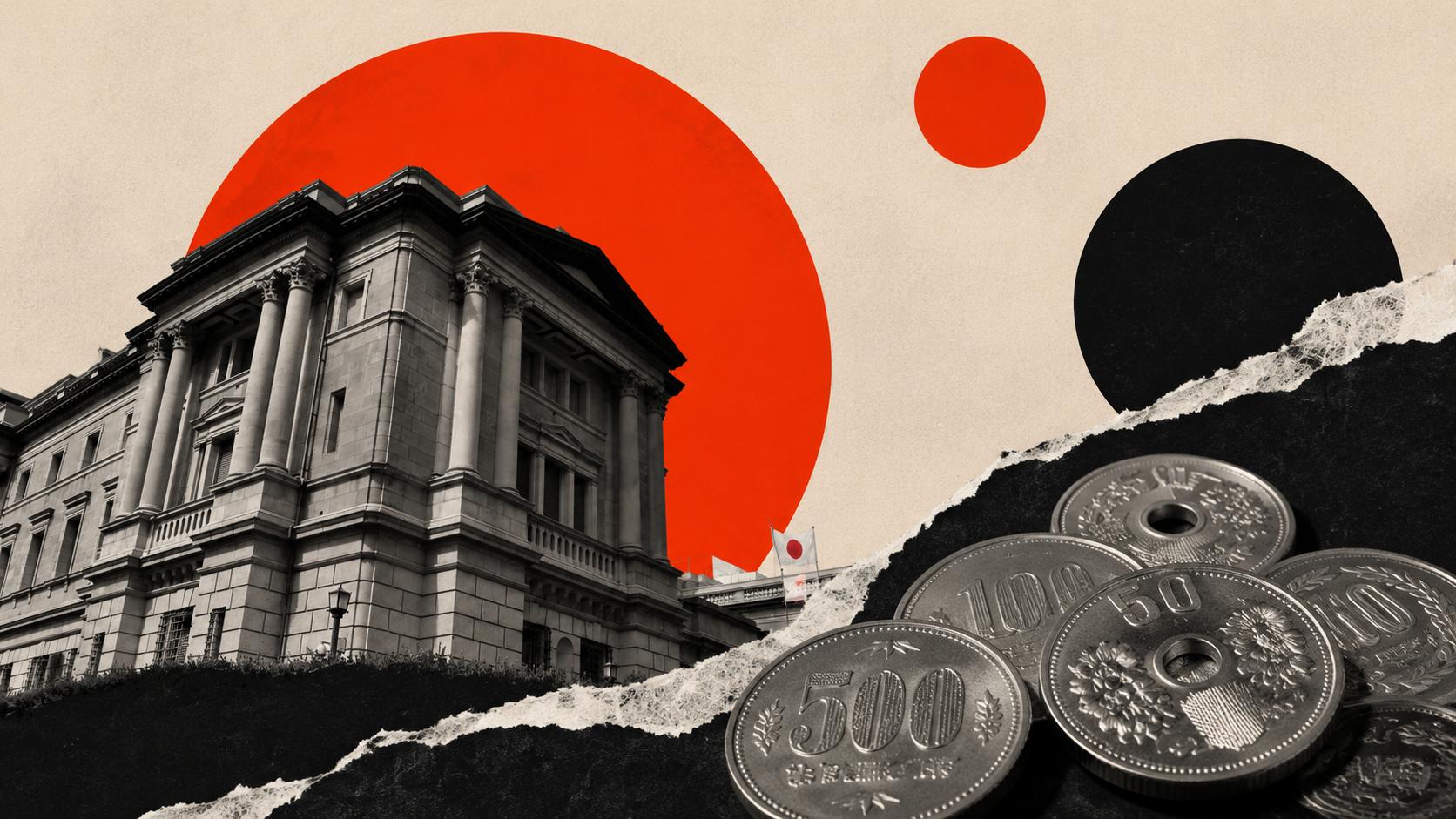
The Japanese Yen (JPY) has shrugged off downbeat Japanese Trade Balance data, and it is regaining lost ground against the US Dollar (USD) on Wednesday, following Hawkish comments from a high-ranking Bank of Japan (BoJ) official. The USD/JPY pair retreats to levels just above 158.00 after pulling back from session highs at 158.40, although it remains moving within the last three weeks’ horizontal range.
BoJ Deputy Governor Ryozo Himino affirmed earlier on Wednesday that Japan’s underlying inflation is approaching the central bank’s 2% target and that financial conditions are still accommodative, while medium- and long--term inflation expectations continue rising.
These comments have offset the impact of the soft Trade Balance figures seen earlier in the day, reinforcing the view of a quarterly rate-hiking pace. The market anticipates a further quarter-point hike before year-end, most likely at the December 17 meeting.
Dollar path hinges on Fed’s October pause and December hike pricing
The US Dollar, on the other hand, remains on the defensive, as traders brace for a pause at next week's Federal Reserve (Fed) monetary policy meeting. Risk aversion amid Middle East uncertainty and high Oil prices are keeping the Greenback from falling further, but anyway, Dollar bulls remain subdued so far.
Analysts at Commerzbank note that the market has largely shifted its focus away from an imminent move by the Fed, with a hike in December priced in and “a chance that another hike could come by the middle of next year.” A scenario that Commerzbank experts do not fully share.
The bank argues that “if the Fed delivers a hawkish pause next week, the dollar could gain some ground, at least in the short term,” as markets lean into the existing pricing for a December move. Conversely, they caution that any deviation from a restrictive stance "would cause the market to revise its expectations downward, especially for next year", and might put the US Dollar under pressure.
Economic Indicator
Merchandise Trade Balance Total
The Merchandise Trade Balance Total released by the Ministry of Finance is a measure of balance amount between import and export. A positive value shows a trade surplus while a negative value shows a trade deficit. Japan is so much dependant on exports that the Japanese economy heavily relies on a trade surplus. Therefore, any variation in the figures influences the domestic economy. If a steady demand in exchange for Japanese exports is seen, that would turn into a positive.
Read more.Last release: Tue Oct 20, 2026 23:50
Frequency: Monthly
Actual: ¥-536.6B
Consensus: ¥-181B
Previous: ¥-1,105.6B
Source: Ministry of Finance of Japan
Economic Indicator
Exports (YoY)
Exports of goods and services, released by Japan Customs, consist of transactions of goods ans services (sales, barter, gifts or grants) from residents to non-residents.
Read more.Last release: Tue Oct 20, 2026 23:50
Frequency: Monthly
Actual: 16.7%
Consensus: 20.1%
Previous: 19.3%
Source: Ministry of Finance of Japan
Author

Guillermo Alcala
FXStreet
Graduated in Communication Sciences at the Universidad del Pais Vasco and Universiteit van Amsterdam, Guillermo has been working as financial news editor and copywriter in diverse Forex-related firms, like FXStreet and Kantox.