Why more traders are moving toward swing trading in 2026


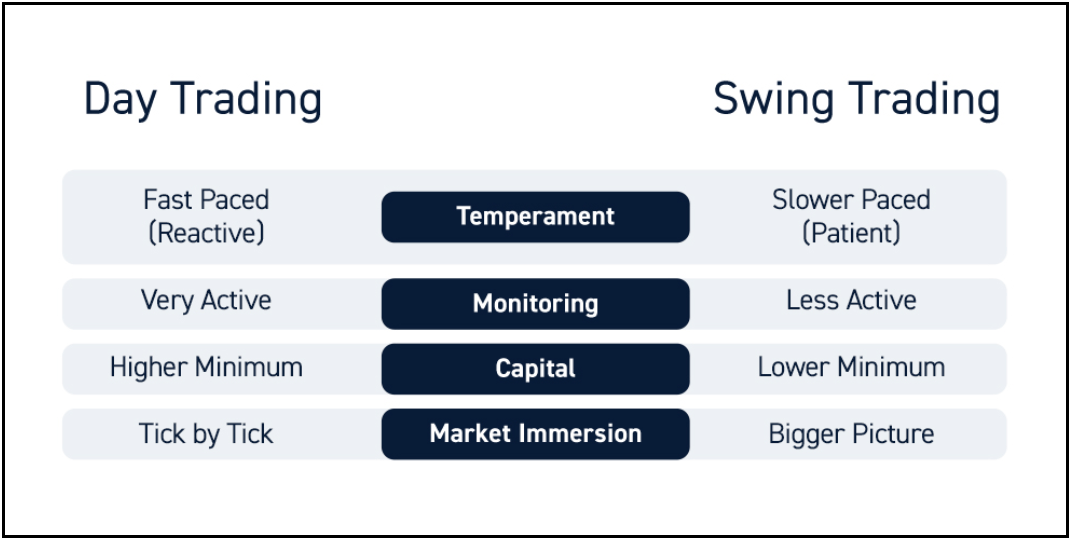
Swing trading sits in the middle ground most people eventually drift toward after enough time in the market.
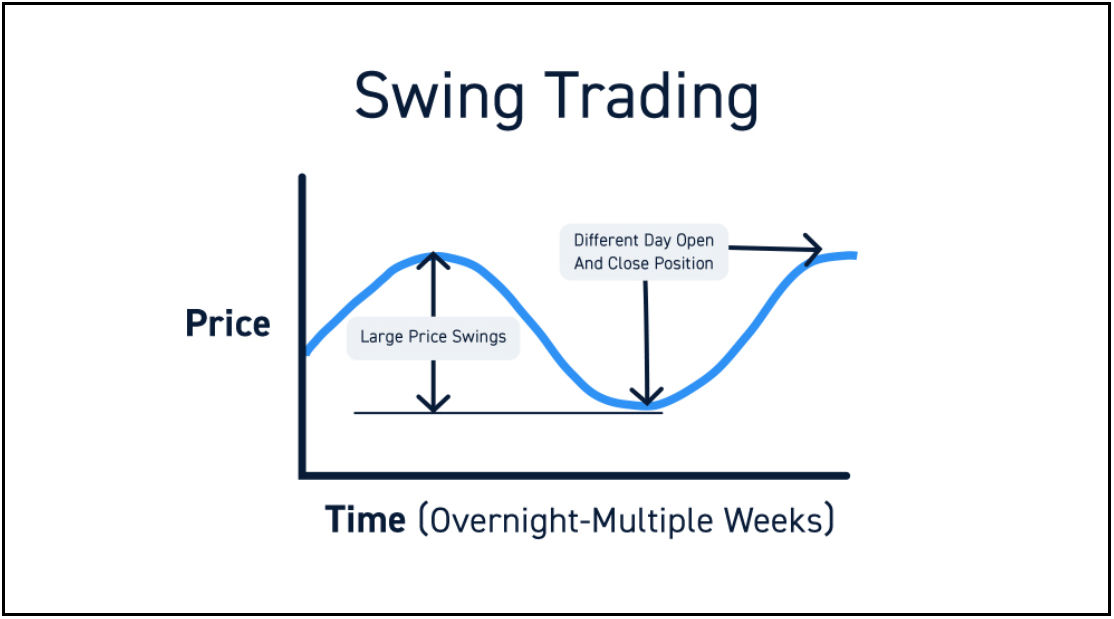
The idea is straightforward: catch a meaningful move that unfolds over several days or weeks, manage the risk tightly, and avoid turning trading into a full-time monitoring job.
In 2026, more traders are leaning this direction for a few reasons.
Part of it is lifestyle. Part of it is the structure of the market itself.
But a large piece of it is that tools once reserved for institutional desks are now sitting inside retail platforms with decent UX and cheap access. That's changed the barrier to entry completely.
The state of financial markets in 2026
Markets still feel like they're operating in the shadow of the last few years:
- Rates remain elevated compared to the pre-2020 environment in many economies. Inflation cooled, but not cleanly.
- Central bank guidance keeps shifting enough to create uncertainty across equities, currencies, bonds, and commodities at once.
- The IMF still describes the global picture as slower and uneven, with regional divergence driving volatility and sector rotation
- The U.S. move to T+1 settlement shortened settlement times and cut some of the operational drag around repositioning portfolios.
Fractional shares made position sizing easier for smaller accounts that used to get distorted by awkward share pricing.
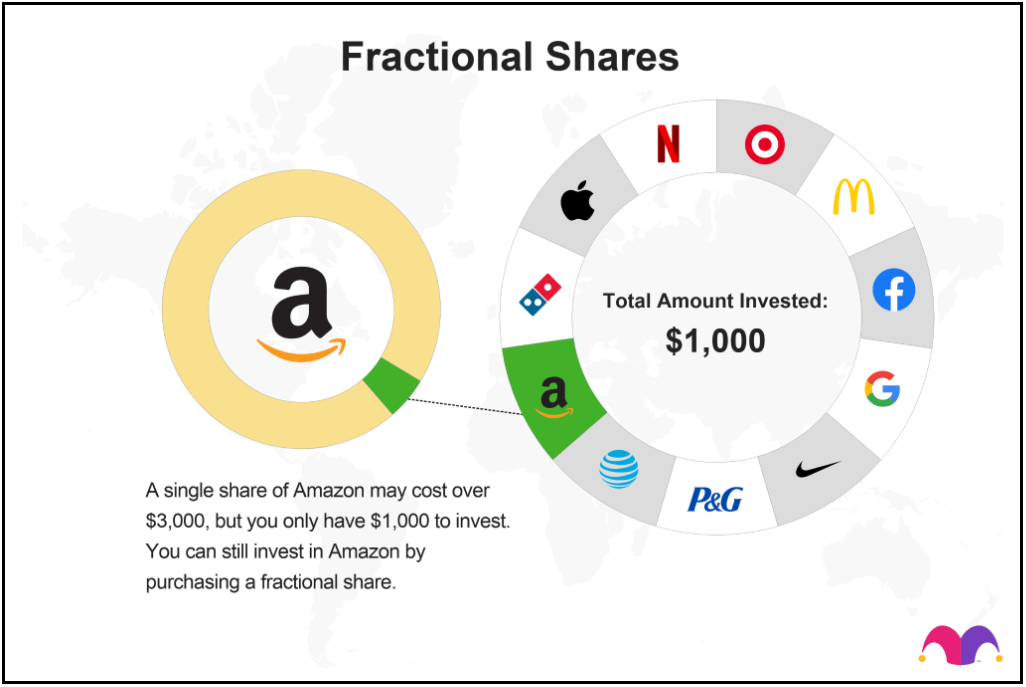
That sounds minor until you've actually managed risk inside a smaller account. Being able to size a position properly, instead of rounding up into oversized exposure, changes how people trade.
So the picture comes together from two directions at once. The macro backdrop generates the movement. The market plumbing makes that movement easier to act on.
Swing trading sits right where those two meet: it needs active markets and regular catalysts, and it benefits directly from faster execution and better accessibility.
Key characteristics of swing trading
Most swing trades last anywhere from a few sessions to several weeks. The position is the unit of work, not the candle.
The setups themselves are familiar if you've spent time around charts:
- Breakouts and failed breakdowns: Price clearing structure, or faking the clear and snapping back
- Pullbacks into moving averages: Entering a trend on the dip rather than the extension
- Momentum continuation: Riding a move that's already proven it has legs
- Support and resistance rotations: Trading the levels that keep getting tested
You can build a watchlist, set alerts, review the daily and 4-hour charts in the evening, place orders, and step away.
That alone removes a huge amount of the emotional overtrading that happens when people stare at every tick intraday.
Risk management is where experienced swing traders separate themselves quickly. Most of it happens before the trade is even entered:
- Risk is defined up front, usually as a fixed percentage of the account
- Stops sit beyond structure, not at arbitrary round numbers, below swing lows, above resistance, or built off an ATR-based buffer.
- The reward has to justify the risk. Many traders won't take a setup unless the projected payoff clears 2:1 or better
And experienced traders skip trades constantly. That's the part that newer traders underestimate.
They skip earnings when the gap risk doesn't fit the setup.
They cut exposure before major macro releases and avoid forcing trades during choppy conditions. Tools like the FXStreet Economic Calendar exist for exactly that reason.
Benefits of swing trading in 2026
Flexibility is probably the biggest draw.
Markets aren't moving cleanly every day. Some weeks are dead. Others produce nonstop movement across sectors, crypto, FX, commodities, and indices all at once.
Swing trading lets people participate selectively instead of manufacturing action out of boredom.
The time commitment is also far more realistic for anyone with an actual job.
Most people cannot sustainably day trade while managing work, family, or normal responsibilities. Swing trading fits around life better. Analysis can happen after hours. Alerts can manage the monitoring. Decisions become slower and usually cleaner.
It also became dramatically easier to access.
You can review a setup from your phone during lunch, queue an order, and manage risk without needing six monitors and a Bloomberg terminal.
Rawad Baroud, CEO of ZeroGPT, works with companies handling large volumes of AI-assisted content and data evaluation workflows.
He shares, “One of the biggest shifts happening right now is that retail traders have access to more information than they can realistically process.
The advantage is no longer just getting data faster. It's filtering aggressively enough to focus only on signals that actually change the trade decision. Most people still drown themselves in noise and mistake that for preparation.”
Challenges associated with swing trading
Swing trading still punishes bad habits quickly. The risks fall into a few clear buckets, and most of them are manageable once you know where they live.
Execution and timing risks
Getting in one candle too early during a weak breakout can completely change the trade profile. Overnight gaps remain a real risk, especially around earnings, macro data, or geopolitical headlines.
Stops are not guaranteed during fast-moving conditions.
Short selling adds another layer entirely with borrow costs, liquidity issues, and sudden squeezes. Slippage quietly chips away at the edge over time, too, especially in thinner names or volatile conditions.
Trading psychology
But psychology is still the biggest problem for most traders.
Not volatility.
The traders who survive tend to systematize decisions before the trade happens. Position size is predefined. Exit criteria are predefined. Maximum loss thresholds are predefined.
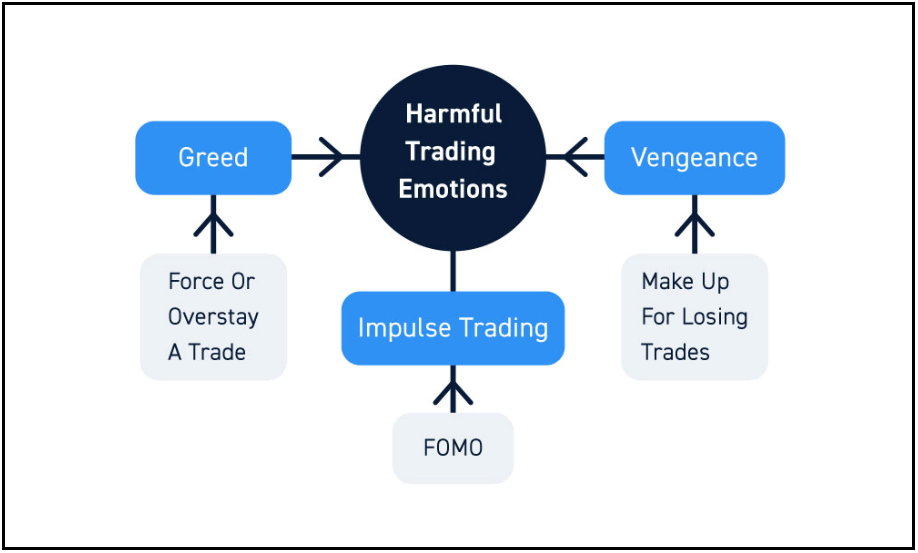
The traders who struggle usually start negotiating with themselves mid-trade.
Gregor Emmian, Deputy Chief Digital Growth Officer at Rise, works with teams operating in high-pressure, performance-driven environments where consistency matters under stress.
He notes, “The breakdown usually doesn't happen when the plan is created. It happens later, when pressure enters the system, and people start adjusting decisions emotionally in real time.
In trading, that often looks like moving stops, forcing entries, or abandoning risk limits after a bad loss. The same behavioral pattern shows up in operational teams constantly.”
That's where damage happens.
A written checklist helps more than people expect. So does capping risk across the day or week instead of only per trade.
Journaling setups instead of obsessing over P&L can identify whether the process actually works.
Backtesting and regulation
Overfitting destroys a lot of otherwise promising systems. A model that looks flawless historically often collapses the moment live conditions change.
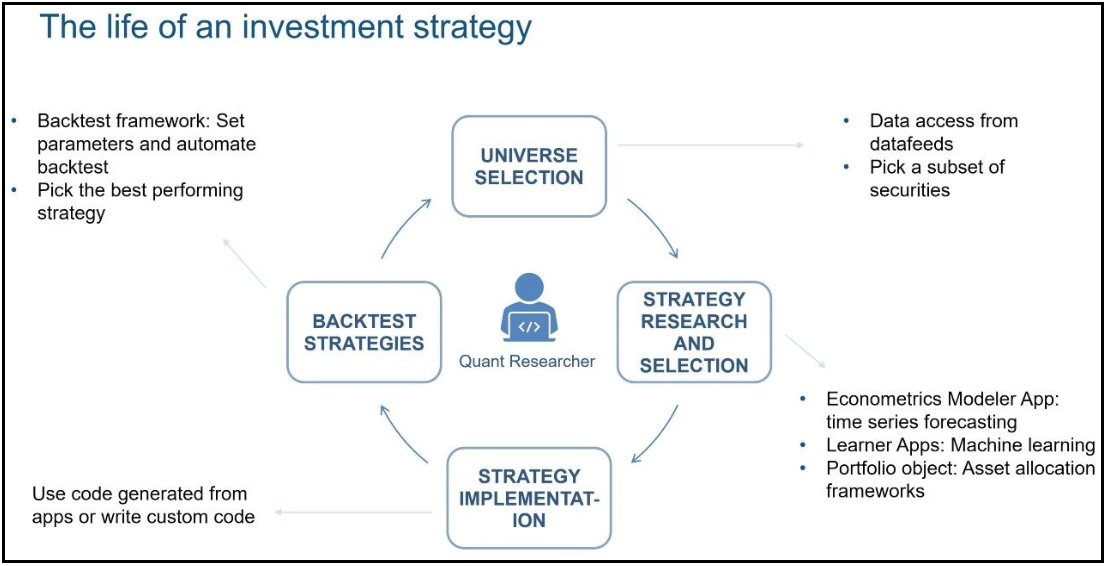
There's strong research around this problem and how easily traders fool themselves during optimization.
And for smaller U.S. accounts, regulations like the Pattern Day Trader rule still influence strategy choices, which pushes some traders toward swing timeframes instead of active intraday trading.
Case studies and real-life examples
Here are two simplified examples based on the kinds of setups traders discussed frequently throughout 2026. They're educational examples, not templates.
Composite example 1: Currency pair around an inflation print
A trader watches a major currency pair ahead of a high-impact inflation release.
The daily trend recently turned upward. Price compresses beneath resistance while forming higher lows. The plan is simple: enter only if price confirms the breakout after the data release, place the stop below the recent swing low, and target a measured move based on the size of the consolidation.
The inflation number comes in slightly softer than expected. Momentum expands. The breakout confirms.
The trade reaches the target two days later.
What mattered was respecting the calendar, waiting for confirmation, and sizing the trade conservatively enough that a violent move wouldn't destabilize the account.
The trader also chose not to hold through the following central bank meeting because the event risk no longer matched the setup.
Composite example 2: Sector ETF pullback into trend support
A sector ETF in a strong uptrend pulls back toward its rising 50-day moving average and a prior breakout zone.
Volume declines during the pullback. The trader waits for a higher low on the 4-hour chart plus a bullish engulfing candle before entering.
Risk gets defined beneath the higher low. Initial targets focus on the prior high, with a trailing stop reserved for any extension move.
The position trends upward over the next week, hits the first target, and eventually exits on a trailing stop retracement.
Nothing dramatic.
Which is usually the point.
The trader also skipped an earlier entry that looked attractive because the supporting volume wasn't there yet. Waiting costs a slightly better price but improves the probability of the setup holding together.
Both examples share the same core traits:
- Clear trigger
- Defined invalidation
- Patience after entry
Most profitable swing trading looks far less exciting than people expect.
Future outlook for swing trading
The next phase probably revolves around workflow compression:
- More platforms are moving toward copilot systems that help traders move from scanning to execution faster: idea generation, automated risk templates, post-trade review systems, and multi-market alerts.
- As settlement systems modernize globally and access to international products expands, traders focused on global diversification will likely spend more time working across markets rather than staying isolated within single asset classes.
Cross-market relationships matter more now than they used to.
AI-assisted tooling will probably continue improving, too, though regulators are increasingly focused on how retail platforms present risk, gamification, and behavioral nudges.
That scrutiny may actually help swing traders by forcing platforms toward clearer processes instead of dopamine-heavy engagement loops.
The bottom line
Swing trading fits the current market because it balances opportunity with practicality.
But overnight gaps, emotional decisions, and poor risk management still wipe traders out the same way they always have.
Start smaller than you think you need to. The technology genuinely helps, but discipline carries most of the weight.
Nothing here is investment advice. It's educational material to help you think through whether swing trading fits your own process and risk tolerance.
For more on the catalysts that drive these moves, read FXStreet's coverage of economic events and market analysis.
Author