We built the guillotine
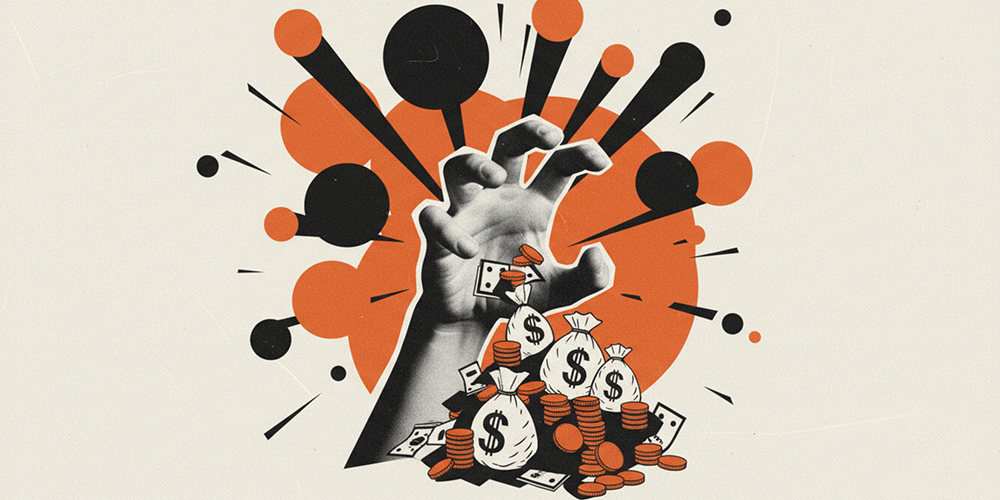
There is a pattern in human history that we rarely have the courage to name plainly. We do not get destroyed by what we fear. We get destroyed by what we love. We build the thing that undoes our work, and we call it progress and cutting edge innovation.
Artificial intelligence was planned. It is not a rogue experiment gone wrong. It is the most convincing, well-funded, and celebrated act of self-replacement in the history of our species. Nothing was accidental. We created it and ran toward it. We embrace it and now we have it.
This is not a technology or an investment article. It is a philosophical one, so please bear with me. And the question it asks is not whether AI is replacing human jobs. That debate is already settled, in spite of the lobbying efforts to show that AI frees up productivity capacity. I also frankly believe, it was the wrong debate. The question worth sitting with is this: what does it mean for a species to voluntarily design and engineer its own obsolescence? And why, in doing so, does it feel so little different from every extinction event we have set in motion before?
The theological problem
Genesis gives us a creation story in which God breathes life into dust. The animating force is not matter. It is breath. It is Spirit. What makes a human being is not the architecture of the body but the presence of something that cannot be replicated by assembling parts.
AI does not have ruach. It has parameters. It has weights, training data, and inference patterns. It produces outputs that look indistinguishable from thought. But looking like a thought and being a thought are two very different things, and the confusion between the two is precisely where the theological crisis starts.
The danger is not that AI will convince us it has a soul. The danger is that we will stop believing we do. When a machine can write your sermon, draft your love letter, compose your apology email, and cure your depression, what exactly remains that nobody can touch? And if nothing remains, what have we lost that we cannot name, because we gave it away before we thought to protect it?
The existential pattern
Heidegger warned us about technology long before any of this was imaginable. He did not argue that machines were dangerous because they were powerful. He argued they were dangerous because they change the way we see everything. When you reduce the world to resources to be optimized, you eventually reduce the human being to the same efficient category. A resource. An asset. A unit of production.
We have been here before. Not with AI, but with the logic underneath it. The logic that says efficiency is virtue and it is a must. That friction is failure. That anything slow, imprecise, or difficult to measure is probably not worth keeping. That logic ate the artisan, the contemplative, the letter writer, the slow meal, and the long conversation. AI is simply that logic wearing its final, most persuasive form.
Humanity has always been its own most efficient predator. We wiped out the megafauna. We poisoned our own water. We built weapons precise enough to end the civilization that built them. In every case, the instrument was not the enemy. We were. The instrument was just the shape our self-destruction chose that century.
What actually needs protecting
This is not a call to unplug. It is a call to locate what was worth protecting before we handed it over without reading the terms.
What AI cannot replicate is not intelligence. Intelligence, as it turns out, is surprisingly replicable. What it cannot replicate is presence, authenticity and touch. The weight of a human voice in a room. The look on a face when something costs something. The meaning that accumulates only through suffering, failure, and the passage of actual time.
If there is a theology of this moment, it is not about whether God permits the machine. It is about whether we remember what we are. Not what we produce. Not what we optimize. Not what we automate. What we are, in the oldest sense of that word, before the industrial revolution told us our value was our output.
We built the guillotine. We sharpened the blade. We are proud of the engineering. The question now is whether we remember why the head on the block matters.
Author

Andrea Zanon
Confidente
Andrea Zanon has 20 years of professional experience as a disaster risk management, sustainability, and entrepreneurship specialist. Mr. Zanon has advised international institutions and countries across the Middle East and North Africa. Mr.