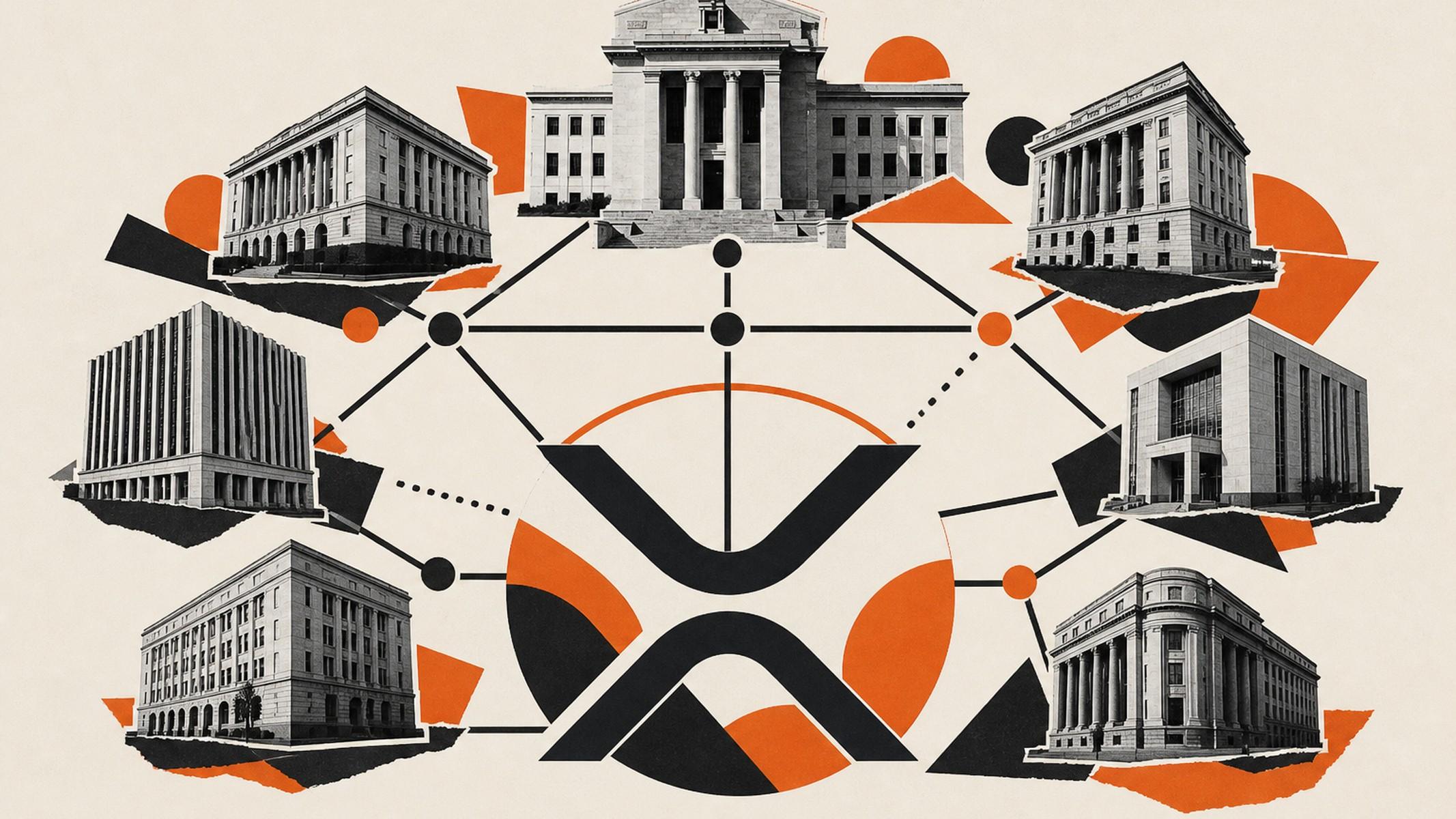
Why AI in finance and trading needs Aristotle's ethical framework

Artificial Intelligence (AI) is reshaping the financial industry at an unprecedented pace. From algorithmic trading and portfolio management to risk mitigation and fraud detection, AI’s role is growing across all areas of finance. As these systems become more sophisticated, the ethical implications of their decisions are under increasing scrutiny.
Financial professionals—investors, traders, analysts—are particularly aware of the potential risks posed by AI-driven decisions that prioritize speed, efficiency, or profitability over ethical considerations.
This is where Aristotle’s philosophy offers a valuable framework. Aristotle, one of the greatest thinkers in Western philosophy, was deeply concerned with ethics, purpose, and rationality. His ideas can serve as a guide to ensure AI systems in finance are developed and deployed not just for profit, but with a broader commitment to the ethical treatment of all market participants.
By aligning AI with the principles of virtue ethics, rational decision-making, and the pursuit of human well-being, financial professionals can help ensure that AI remains a positive force for both innovation and ethical integrity.
Aristotle’s virtue ethics as a model for AI in finance
Aristotle’s virtue ethics emphasizes the importance of finding a balance between extremes. He argued that every virtue lies between two vices—one of excess and one of deficiency. For instance, courage is the balance between recklessness and cowardice. This concept, known as the Golden Mean, can be directly applied to the development of AI in finance.
In trading, for example, AI systems often take aggressive positions based on data analysis to maximize returns. However, if left unchecked, these systems can act in ways that destabilize markets. Consider high-frequency trading (HFT) algorithms, which operate at lightning speed to exploit minute market inefficiencies. While profitable, they can sometimes exacerbate market volatility, leading to "flash crashes" and creating systemic risks.
Aristotle’s concept of moderation suggests that AI-driven systems should not only seek to optimize profits but also balance them against broader market stability. AI can be designed to avoid extremes—whether it's over-leveraging positions or being overly risk-averse—thereby ensuring that it contributes to more sustainable financial practices. For example, AI could be programmed with risk parameters that prioritize long-term market health alongside short-term gains, creating a more virtuous form of algorithmic trading.
Purpose (Telos) in AI development for financial markets
One of Aristotle’s key contributions to philosophy was his concept of telos, or purpose. He believed that everything in nature has an end goal, and fulfilling this goal leads to flourishing, both for the individual and for society. Applying this to AI, we must ask:
What is the true purpose of AI in financial markets?
- Is it simply to maximize returns, or should it aim to promote broader economic and societal well-being?
In finance, AI tools are often designed with a narrow focus on maximizing returns or minimizing risk for traders and investors. But Aristotle’s notion of telos encourages us to think beyond short-term gains. AI systems should be designed with a clear and ethical purpose that aligns with long-term goals like financial stability, fair markets, and sustainable investment strategies.
For example, in sustainable investing—a field that integrates environmental, social, and governance (ESG) criteria—AI could play a critical role in assessing companies’ long-term impact on society and the environment. Rather than simply focusing on financial metrics, AI could help investors identify companies that contribute positively to society. This ensures that investments are aligned with ethical values and long-term sustainability goals, fulfilling a higher purpose of promoting human flourishing through ethical finance.
Moreover, in areas such as bond trading and fixed-income markets, AI could help traders make decisions that support long-term economic stability rather than short-term market exploitation. By embedding the concept of telos in AI systems, the financial industry can ensure that AI serves a purpose beyond profit—one that aligns with societal well-being and market resilience.
Rationality and logic in AI decision-making
Aristotle placed great emphasis on rationality, viewing it as the highest form of human excellence. In the context of AI, rationality could be interpreted as the system's ability to make decisions based on logical reasoning and data analysis. AI, with its vast computational power, is already capable of processing enormous amounts of data and making swift, data-driven decisions in ways that humans cannot.
However, while AI can be excellent at analyzing data and identifying patterns, it often lacks the moral reasoning that human decision-makers rely on. Aristotle’s philosophy reminds us that rationality should not exist in a vacuum—it must be accompanied by ethical considerations.
For example, an AI-driven trading algorithm might detect an opportunity to make significant profits by shorting a stock during a market downturn. While this may be rational from a purely financial perspective, the broader impact of such actions—potentially contributing to a market crash or undermining investor confidence—could have long-term negative consequences for the economy.
If AI were designed with Aristotle’s rational ethics in mind, it would consider not only the immediate financial gain but also the broader societal implications of its actions.
Additionally, rationality in AI should go hand-in-hand with transparency. One of the challenges with AI in finance is that many algorithms function as "black boxes," making decisions that are difficult for humans to understand or interpret.
By incorporating Aristotle’s emphasis on rational clarity, financial institutions can design AI systems that are more transparent and explainable, giving traders, investors, and regulators a clearer understanding of how decisions are made. This transparency can help build trust in AI-driven financial systems, ensuring they operate with both logic and ethical responsibility.
Overcoming bias and ethical dilemmas
As AI continues to gain influence in the financial markets, the ethical challenges it presents are becoming more pronounced. For example, commodity and FX markets are highly dynamic, involving rapid fluctuations in prices and significant global economic implications. While AI can process vast amounts of data to predict price movements and optimize trading strategies, its potential for introducing unintended biases and ethical concerns cannot be overlooked. Aristotle’s philosophy, with its emphasis on virtue, responsibility, and moderation, provides a robust framework for addressing these challenges.
One of the main ethical concerns in AI-driven trading, particularly in commodities and FX markets, is bias. AI systems rely on historical data and patterns to make predictions, but these systems are only as good as the data they are trained on. If the data contains biases—such as regional economic disparities, geopolitical influences, or historical market anomalies—those biases can be perpetuated and even amplified by AI.
In the FX market, for example, AI systems might be trained on historical currency movements that were affected by political turmoil or economic sanctions in specific countries. If the system is not rigorously tested and refined, it may disproportionately predict negative outcomes for currencies associated with those regions, regardless of present economic conditions. Similarly, in the commodities market, AI could perpetuate pricing biases based on historical patterns linked to environmental, political, or regulatory events that no longer apply in the same way. This could unfairly disadvantage certain countries or markets, leading to inequitable pricing and market distortions.
Aristotle’s emphasis on justice and fairness provides a pathway to mitigate these risks. AI systems in these markets should undergo rigorous testing and continuous auditing to ensure that they are free from inherent biases. Just as Aristotle believed in achieving a balance between extremes, AI should operate in a manner that promotes market fairness rather than reinforcing unjust outcomes based on biased data. By embedding fairness into the design of AI systems, traders and investors can be confident that the tools they use to navigate the complexities of FX and commodities markets are grounded in ethical principles.
Balancing risk and stability in modern trading
Aristotle’s ultimate ethical goal was to achieve eudaimonia, or in other words human flourishing, which translates in the trading world to long-term market stability and the financial well-being of traders, investors, and markets as a whole. While many traders focus on short-term gains, AI, when applied responsibly, can serve as a powerful tool for promoting sustainable trading practices that contribute to overall market stability and resilience.
In the fast-moving world of trading—particularly in commodities and FX markets—risk management is crucial. Traders face constant volatility and need to make rapid decisions. AI can enhance risk management by identifying emerging risks in real time, enabling traders and financial institutions to take preventive action before a market disruption escalates.
For example, AI systems can analyze large datasets to detect early signs of market stress, such as currency fluctuations linked to geopolitical events or commodity price movements caused by supply chain disruptions. By spotting these patterns early, AI can help traders adjust their positions and hedge against potential losses, aligning with the Aristotelian principle of moderation—finding a balance between excessive risk-taking and overly cautious strategies. This proactive approach reduces the likelihood of market shocks, ultimately promoting long-term stability in trading environments.
In addition, AI can support the growing trend toward responsible investing. By analyzing both financial and non-financial data, AI can help investors build portfolios that not only generate returns but also promote environmental sustainability, social responsibility, and good governance. This aligns with Aristotle’s vision of a well-functioning society, where individual actions contribute to the collective good.
A call for ethical AI in finance
As AI becomes an integral part of the financial industry, its role should not be confined to maximizing returns or increasing efficiency. Financial professionals must take a broader view, ensuring that AI is developed and used in a way that upholds the highest ethical standards. Aristotle’s philosophy, with its emphasis on virtue, purpose, and rationality, offers a timeless guide to developing AI systems that serve the greater good.
By embedding Aristotle’s principles into AI development, the financial industry can create a future where technology supports not only the pursuit of profit but also the well-being of markets, society, and individual investors. For investors, traders, and professionals, this means working with AI systems that align with ethical values and long-term sustainability, ensuring that the future of finance is both innovative and responsible.
Author

Nikolaos Akkizidis
Independent Analyst
Nikolaos Akkizidis is an Independent Financial Writer, Economist, Author, and Speaker with more than two decades of experience in financial services, capital markets, investment advisory, portfolio management, trading, risk manage