The execution gap, why traders can’t repeat what works

When your thinking changes from:
-
Trade to make money, to.
-
Trade to take money,
That’s when you appreciate that, to do that, you need to:
-
Operate from an intel level most don’t know, and.
-
Convert the knowing to a doing skill.
The challenge is—even when you know what to do, and have experience doing it well— consistent doing still requires rewiring your brain.
The rewiring isn’t immediate. There’s a lag.
If you’re not prepared for it, you can feel despondent.
How you move through it comes down to efficiency.
The most efficient path is simple:
-
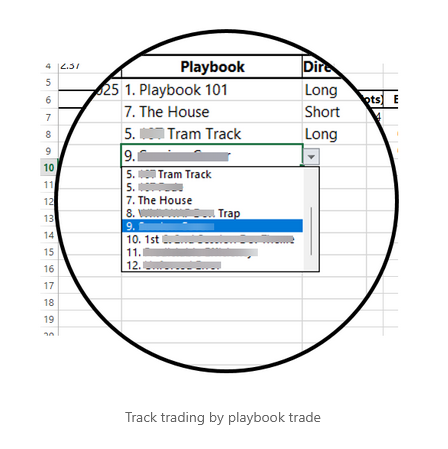
Only trade known playbook trades.
-
No invented trades. Nothing extra.
Invented trades might seem like a good idea in the moment, but there’s no proof they’re effective. Which means they’re pure gambles.
By contrast:
Playbook trades are the ones you’ve traded repeatedly.
You know how effective they are. You know whether the current market behaviour matches them—or it doesn’t.
Depth before expansion
You don’t need 50 playbook trades.
You need 3 that are so effective in a specific market your framework flags them every day.
They become the foundation.
Additional playbook trades become an extension of these—added as your experience increases, not outside it.
It’s true: experienced traders know how to win in more ways. But first, you need a way to win repeatedly. Let that build into more ways to win—through experience, not inventing trades.
Recap
There’s a lag between doing it right—and doing it right always.
That’s why you stay with three playbook trades and a market where they show up each day.
It’s the fastest solution through the lag.
Author

Adam Fiske
Boss Trading
Adam is an industry-trained trader with 19 years of professional trading experience.