Algorithmic trading is changing how markets work


Automated trading systems aren’t just for big institutions anymore. As these tools become more available to everyone, knowing how algorithmic trading actually works can help you move through today’s markets with a little more confidence.
Algorithmic trading has been around for a while, but it’s only recently started to feel within reach for regular traders. Not too long ago, building a trading algorithm took some serious tech chops, a lot of money and often, backing from a large firm. Now, that wall has come down a bit. Thanks to better platforms and more user-friendly tools, more people are giving automated trading a real shot.
That doesn’t make it simple or risk-free, though. Still, the conversation is shifting. Instead of wondering if algo trading matters at all, more people are asking how it works and if it fits what they’re trying to do.
What algorithmic trading actually means
At its core, algorithmic trading just means trading with a set of rules. You lay out your conditions, say, when to buy, when to sell and how much risk you’ll take, then a program follows the rules for you. Once you turn it on, the system keeps an eye on the market and reacts on its own whenever those conditions hit.
Sounds pretty basic, but the range is huge. Some strategies are simple, like buying or selling at a certain price, or following a moving average. Others are more complex, using multiple signals, timing rules or bigger statistical patterns.
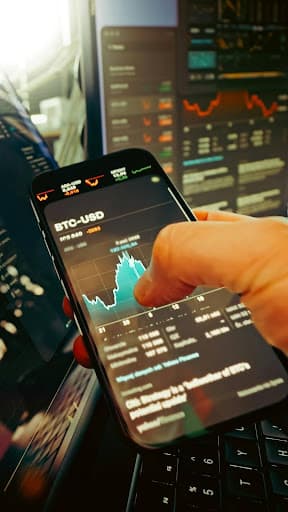
How these systems work
Behind the curtain, most algorithmic strategies follow a similar path. It starts with an idea. Maybe you’ve spotted a market pattern, a reaction to news or some technical signal that keeps showing up. From there, you turn your idea into code. This is where languages like C# or Python come in handy. They’re popular because they’re flexible and well-documented.
Once your strategy’s built, you need to test it. This is where backtesting enters the picture, and it’s crucial. Instead of jumping right into the market, you run your strategy on old data to see how it would have done. You’re looking for consistency and weak spots. Does it handle volatility? Does it fall apart under certain conditions?
Some platforms make things easier with chart-based tools, so you can see exactly where your system would enter and exit trades. That visual feedback actually helps a lot when you’re checking if the logic holds up. After testing, you usually tweak and fine-tune things. Some platforms also include optimisation tools, which let you test multiple variations of a strategy to see how small changes affect performance under different market conditions.
In practice, most algorithmic trading platforms bring these elements together: strategy development, backtesting, optimisation and execution, all within a single environment.
The rise of more accessible tools
There’s a reason folks are talking about algorithmic trading now: The tools got better. Back in the day, running an automated strategy often meant you had to set up your own servers or a virtual private server, just to keep things running 24/7. That was expensive and complicated.
Now, many platforms handle much of that infrastructure for you. With cloud-based execution, your strategies run nonstop without you managing the tech. You can build something on your laptop and keep it going, even after you shut it down.
Platforms have also made developing easier; integrated code editors, templates and good documentation mean you’re not starting from zero each time. Many also allow users to build different types of tools, such as automated trading strategies, custom indicators and platform extensions, depending on what they’re trying to achieve. Even if you’re new to coding, you can pick things up as you go. Some algo trading solutions, like cTrader Algo within the cTrader platform, support widely used programming languages like C# and Python. That opens the door to more people, traditional programmers and those data-driven traders who like Python.
Why speed and data matter so much
One of the best things algorithmic trading offers is speed. Markets don’t pause. Prices shift constantly, and sometimes your window to act only lasts a second or two. An automated system can jump on that instantly.
But pure speed isn’t enough. It’s really the mix of speed with data. Algorithms can crunch tons of info at once; price shifts, indicators and historical patterns, and make calls based on all of it, in real time. That’s tough to do manually, especially if you’re juggling a few markets.
Backtesting isn’t optional, it’s essential
If there’s one thing that sets apart real algorithmic trading from just guessing, it’s testing. Backtesting lets you see how your idea would have worked, without risking cash. You can replay it over different market environments, times and instruments to get the real picture.
Modern tools are especially useful because you don’t just get a score at the end: You can see how trades actually played out, how long you were in the market and where your plan shined or stumbled.
It’s more accessible, but not necessarily easier
Some people think algorithmic trading is easier. But the truth is, it just changes where you do the work.
You’re not making decisions live; instead, you put in more time planning, building and testing. You start thinking more about rules, exceptions and how things work under stress.
Today’s tools, including open communities, shared resources and marketplaces for trading strategies, make it easier to get started and learn from others.
A visible part of the market
Algorithmic trading isn’t some obscure niche anymore. It’s now a visible part of today’s markets as more people get access to the right tools.
At the heart of it, this is about bringing structure to the table, turning your ideas into rules and letting those rules do the work. Some like this because algorithms take the emotion out of trading. Others just want more efficiency and the ability to handle more data.
Tools like cTrader Algo are part of this broader shift, making algorithmic trading more accessible while still requiring careful planning and testing.
Author