The evolution of digital assets: A comprehensive guide to crypto trading and coins
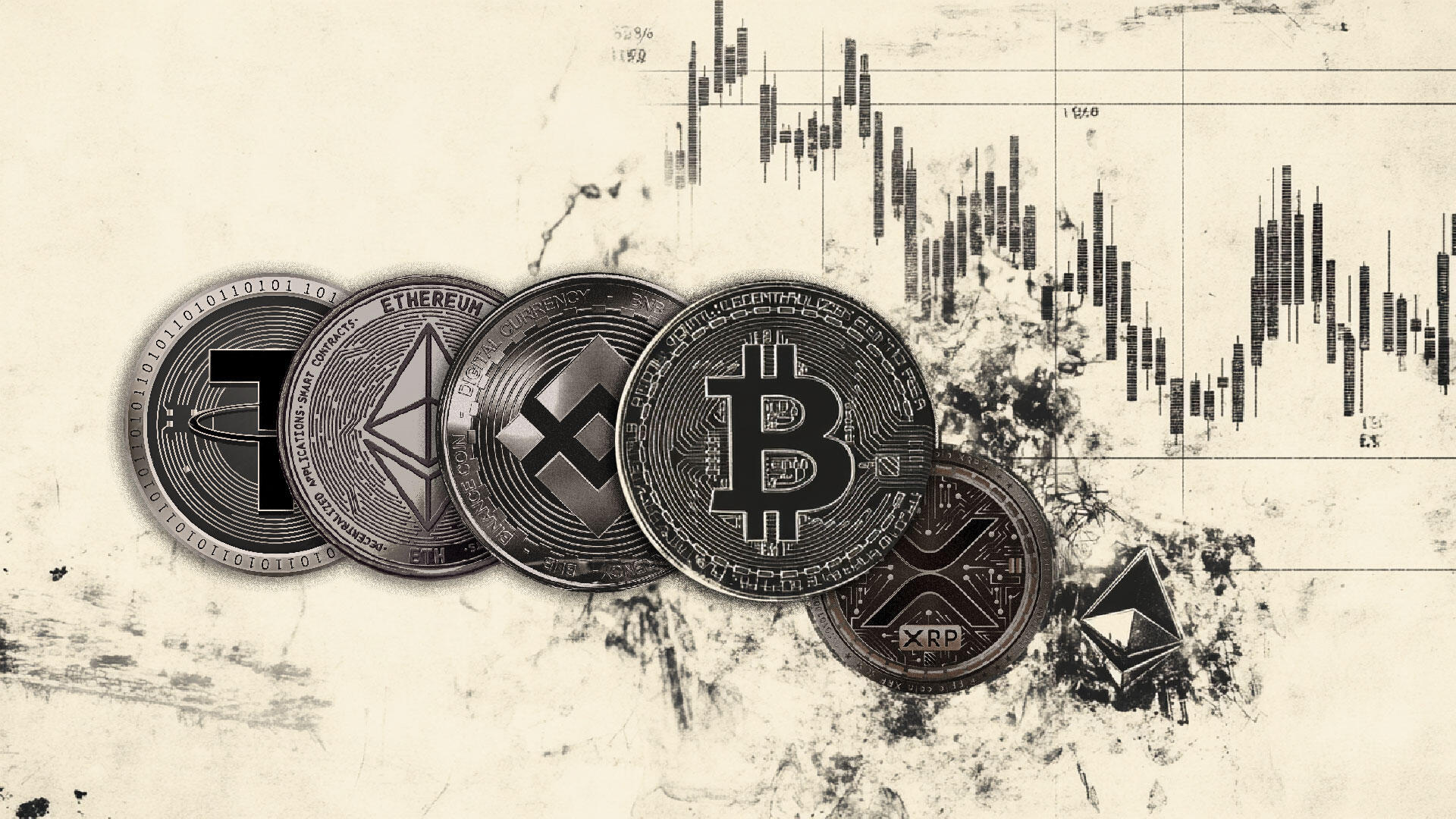
The financial world has transformed a lot over the last decade, and the traditional markets that once used commodities and equities are now sharing the stage with the digital world. The total cryptocurrency market capitalization is now approximately $2.5 trillion as of mid-2026. This shows that the project, which started as an experimental digital currency, is now a permanent financial fixture. For investors who want to explore new financial paths, they must understand crypto trading, as it is a basic skill in the current world. So, let's dive into understanding cryptocurrency and the crypto world.
Understanding the foundation of cryptocurrency
Cryptocurrency is a decentralized digital asset that is based on blockchain technology, and unlike conventional fiat currencies, it does not have its own bank. It is also not issued by the central banks and generally operates on a distributed ledger. The distributed ledger helps in keeping the cryptocurrency transparent and secure without the need for a central authority, increasing its growth. The estimates in 2026 suggest that around 560 million people all around the world now own at least one digital asset, which represents roughly 10% of the total connected population. The leading cryptocurrency in the world is Bitcoin, but now the crypto world contains more residents known as altcoins. These mini projects (altcoins) aim to solve specific problems, such as privacy, decentralized storage, and transaction speed.
The different categories of digital coins
If you want to navigate the market effectively, then you must distinguish between asset types as the market is now divided into many parts. In 2026, Bitcoin climbed back above 60%, and it is known as the digital gold of the crypto world. Investors favor its supply of 21 million, capped when the world is facing inflation. While the other contract platforms like Ethereum and Solana lead a different side of the cryptocurrency, they allow decentralized applications. Solana has seen a huge rise in its popularity among U.S. holders by up to 9% points since 2024 because of its lower fees and faster speed.
The stablecoins are also the most important bridge between the digital and traditional financial world. USDT is still leading the space and holds around 68% of the market share from the total market for stablecoins, which hit an approximate record of $285 billion in 2026. While also supplying the needed liquidity so trading stays quick, and users can exit volatile positions without really leaving the digital ecosystem.
How crypto trading is different from traditional markets
The pace of crypto trading is unparallel and it shares many technical tools with the stock market. It operates 24/7, even on holidays, and generates above 18,000 price updates per minute across different major exchanges. Volatility remains the defining trait of this asset class. A 1% move is considered significant in the S&P 500 index. Conversely, crypto assets can swing 20% in a single day.
The ones who have experience with a forex trading broker can easily shift to the digital crypto world, as the technical analysis for FX works greatly on the crypto charts and includes tools like MACD and Relative Strength Index (RSI). In fact, many retail traders now use automated AI bots to manage this constant volatility. Over 64% of investors express interest in these tools to remove emotional bias from their decisions.
Strategies for successful market participation
There are many trading styles, and traders usually select three primary styles as per their risk, which include day trading, swing trading, and HODLing. The global trading volume has recently crossed $3.2 trillion in a single day because of high-frequency day trading, while swing trading is patient, where investors hold assets for weeks or days to catch medium-term trends. While long-term investing (HODLing) is still highly profitable, the data shows that around 53% of crypto owners report net gains in their wallets despite the volatile market cycles. Each strategy requires a different psychological profile and a different level of time commitment.
The role of technical and fundamental analysis
Traders rely on two pillars of research, which include fundamental and technical analysis. In fundamental analysis, you look at a project's total value locked (TVL), and in early 2026, the DeFi sector reached a TVL of $150 billion. It shows overall health and utility of decentralized finance protocols, and without TVL, a project might not survive a bear market.
Traders use volume and price action by studying historical charts and identifying trends to perform technical analysis. They use signals like double bottoms to predict entry points, and this is largely due to the high volume of algorithmic trading that responds to these specific mathematical triggers. This way, traditional traders perform well on technical analysis and even prefer it.
Managing risk in a volatile environment
In any type of trading, managing risk is the most important, and the first rule is to never invest more than you can afford to lose, as the market is highly volatile, and you might lose it all in a sudden crash. Most professional traders use stop-loss orders to protect their capital, and spreading capital across different coins is also another safety tip. To do this, you can include a mix of Layer 1 protocols and Stablecoins. Currently, the average investor holds a mix where Bitcoin makes up 74% of their portfolio. Ethereum and Solana often fill out the rest of the allocation to provide a balance of stability and growth.
The importance of security and wallets
Cryptotrading is prone to platform failures and hacks, and you are your own bank, so for long-term security, cold wallets are the gold standard. You can keep unique private keys offline and tucked away from hackers, and now, in 2026, as per surveys, security is the top concern for 59% of Americans. This highlights why strong personal security habits are non-negotiable for serious traders. Using two-factor authentication and physical security keys has become a standard requirement for protecting digital wealth.
Regulatory landscape and institutional adoption
Currently, the crypto market doesn't rely much on retail speculation anymore; it is more about institutional products, and the U.S. spot BTC ETFs have stacked up above $128 billion in assets under management. That institutional "stamp of approval" has brought a steadier vibe to the market and also added some professional oversight that was absent during the past few years. Also, the arrival of specialized Crypto Czars in big economies suggests that digital assets are now counted as national strategic reserves, and regulation is no longer treated like a danger or an enemy but more like a necessary framework for the next phase.
Choosing the right platform
Picking a trading venue is one of those choices that can really mess with your bottom line. Ideally, you want a place with high liquidity and generally low fees, because otherwise the numbers start to drift. A lot of investors who like a multi-asset approach end up looking for a versatile forex trading broker, but also one that covers crypto CFDs. This way, you can have all the assets in one place, and when selecting a provider, always check track records and not just nice marketing. Also, check the customer support's response time and their fee structures so you do not get surprised later by some hidden costs.
Final words
Crypto trading is no longer something that will fade away or a hobby for tech enthusiasts, but a proper financial entity with a $2.5 trillion market and hundreds of billions of participants. However, success in this market is not easy, and it requires commitment, resilience, and a clear strategy. Thus, approach it with a professional mindset and a disciplined strategy to ensure long-term success.
Author

Kate Leaman
AvaTrade
Kate Leaman is the Chief Market Analyst at AvaTrade, bringing a wealth of expertise from her extensive career in financial journalism and retail trading.