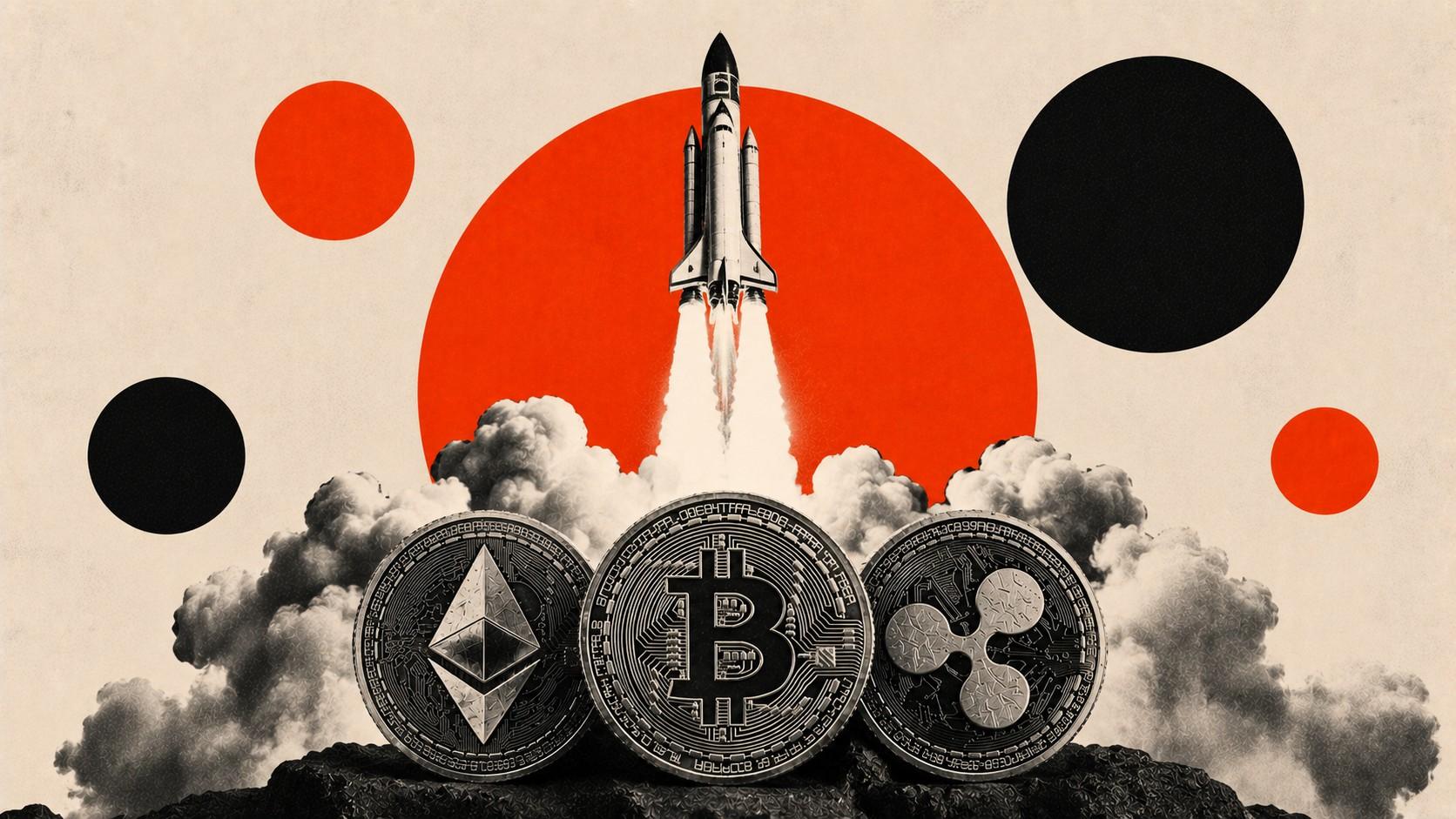
AI tokens, the next universal currency

The financial landscape is undergoing a profound transformation, marked by the integration of Artificial Intelligence (AI) into every facet of economic activity. From optimizing personal assistants to enabling smarter city infrastructures, AI's role is expanding, making it a cornerstone of various sectors and industries. Central to this transformation are AI tokens, which are set to revolutionize our traditional financial systems.
AI tokens are a new form of universal currency, marking a significant shift towards an economy deeply intertwined with AI technology.
The core functionality of AI tokens
AI tokens are designed to quantify and manage the computational efforts required by AI models, serving as a bridge between the digital economy and computational resources. Unlike cryptocurrencies, which are often used for investment, speculation, or as a decentralized currency, AI tokens have a specific utility purpose. They enable access to AI services, facilitate transactions within AI ecosystems, and can even be used to reward participants in decentralized AI projects.
Shaping the pricing frameworks for AI services
The introduction of AI tokens offers a nuanced approach to accessing and pricing AI services. With AI tokens, the use of foundation models can be metered and monetized in a flexible manner, allowing for a wide range of pricing strategies. This could include pay-as-you-go models, subscription-based access, or tiered pricing based on computational complexity or resource consumption. Such flexibility in pricing is crucial for both the scalability of AI services and the democratization of access to cutting-edge AI technologies.
AI Tokens as a medium of exchange
In the digital age, where AI-driven applications and services are becoming ubiquitous, AI tokens stand out as a primary medium of exchange. They facilitate the smooth operation of AI marketplaces, where computational resources, datasets, and AI services can be traded. This ecosystem not only accelerates the development and deployment of AI solutions but also promotes a more efficient allocation of computational resources across the globe.
The impact on the digital economy
The rise of AI tokens represents a significant shift in the digital economy, emphasizing utility and access over speculation and investment. This shift has the potential to foster a more collaborative and open AI ecosystem, where resources are shared and innovations are rapidly disseminated. Moreover, by providing a clear mechanism for pricing and transacting AI services, AI tokens could help stabilize the market for AI technologies, making it easier for startups and established companies alike to plan and budget for AI initiatives.
Redefining currency in the digital age
AI tokens, originally designed to quantify and manage AI computational tasks, rapidly evolve beyond their initial scope. They are on the brink of becoming a universal medium for a wide array of transactions, potentially taking on a role akin to that historically played by gold and fiat currencies. The growing trust and reliance on AI tokens, underpinned by a robust and expanding AI infrastructure, present an attractive alternative to the traditional financial systems known for their volatility.
The universal currency for global economic transactions
The rise of AI tokens as a universal currency is not just a speculative fantasy; it is a tangible shift that could significantly impact global economic transactions. This new currency model offers several key advantages:
- Decentralization and Democratization: AI tokens promise a more decentralized financial ecosystem, reducing the concentration of power and opening up economic participation to a broader global audience.
- Enhanced Transactional Efficiency: Leveraging blockchain technology, AI token transactions can achieve unprecedented levels of efficiency and security, minimizing the risk of fraud and reducing transaction times.
- Accessibility and Inclusion: By eliminating traditional banking barriers, AI tokens can foster greater economic inclusion, providing access to financial resources for underserved populations worldwide.
Overcoming challenges on the path forward
Despite the promising advantages, the transition to AI tokens as a universal currency presents challenges that must be addressed:
- Regulatory Evolution: The adoption of AI tokens necessitates a reevaluation of existing regulatory frameworks to ensure they cater to the nuances of AI-driven transactions, balancing innovation with consumer protection.
- Market Stability: While AI tokens offer an alternative to the volatility of traditional financial systems, they are not immune to market dynamics and speculative pressures that could introduce new forms of volatility.
- Bridging the Digital Divide: Ensuring equitable access to the benefits of AI tokens requires concerted efforts to bridge the digital divide, ensuring that all participants have the necessary technology and digital literacy.
As we embark on this new financial epoch, the promise of AI tokens as a universal currency is both thrilling and transformative. This paradigm shift ushers in a future where financial transactions are more accessible, efficient, and secure, underpinned by the innovative fusion of AI and blockchain technologies.
Realizing this future, however, calls for a collaborative endeavor among financial experts, technologists, and policymakers to navigate emerging challenges and unlock the full potential of AI tokens in crafting a new, inclusive economic landscape.
Author

Nikolaos Akkizidis
Independent Analyst
Nikolaos Akkizidis is an Independent Financial Writer, Economist, Author, and Speaker with more than two decades of experience in financial services, capital markets, investment advisory, portfolio management, trading, risk manage