Why Gold crashed below $4,000 — And what the Fed’s rate pause means for Gold and Silver [Video]
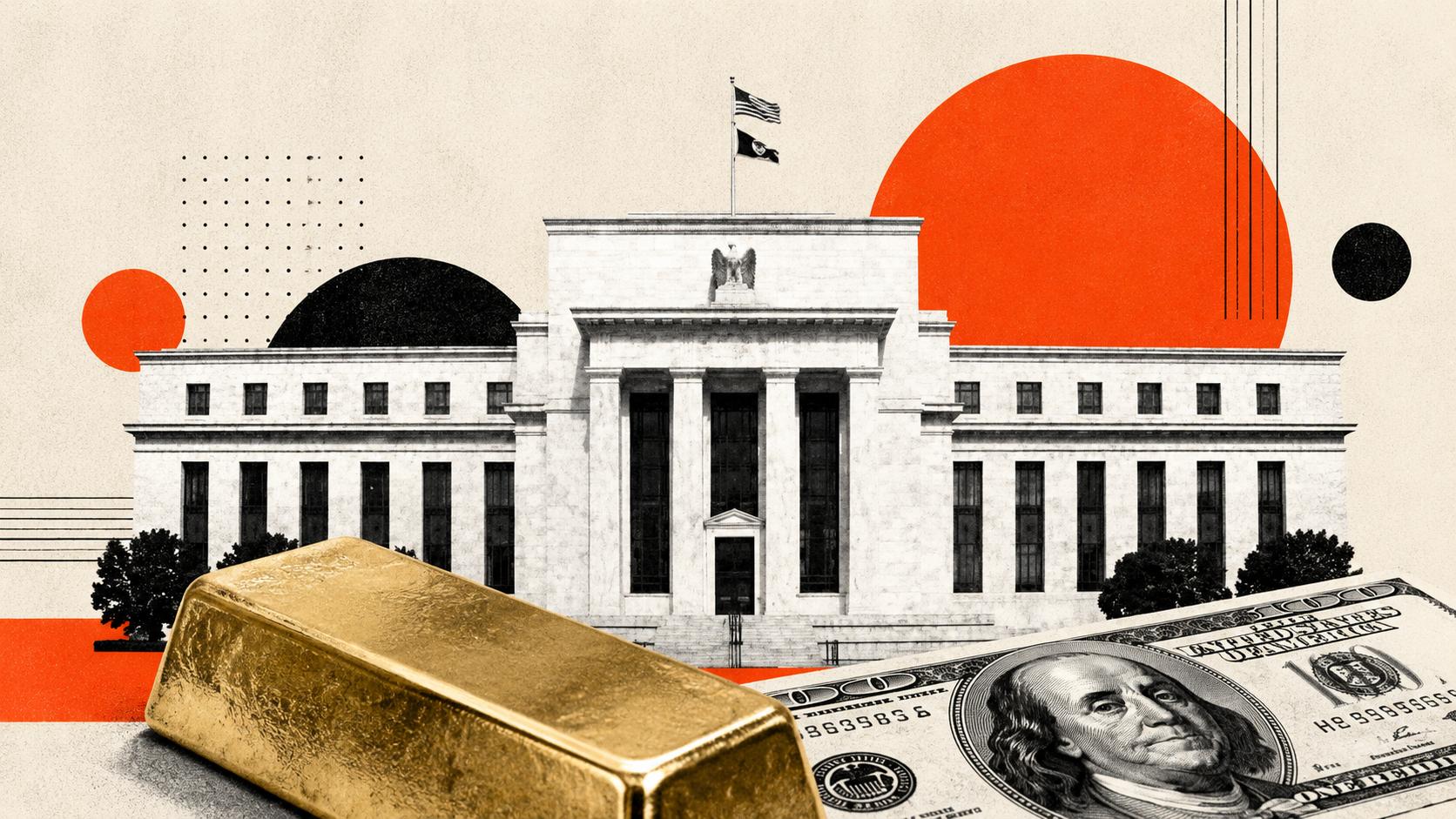
Gold’s sharp Friday sell-off caught investors’ attention. The metal fell below $4,000 an ounce even as bond yields declined and the U.S. dollar weakened modestly, conditions that would usually support gold.
On the latest Money Metals Midweek Memo, host Mike Maharrey explains what may have driven the drop, what the Federal Reserve’s rate decision could mean for precious metals, and why he remains bullish on gold and silver over the long term.
Why Gold and Silver sold off
Spot gold fell 3.5% on Friday, breaking through $4,000 support and reaching a low of $3,880, its lowest price in 12 months. Gold rebounded by more than $80 on Monday morning.
The Fed’s hawkish pause and growing expectations of a December rate hike had already weighed on gold and silver. Higher interest rates can pressure precious metals because they do not pay interest. A spike in oil prices linked to the Iran war also added to inflation concerns.
Maharrey points to a sell-off in technology stocks as the likely immediate catalyst. The Nasdaq fell 2.9% on Friday amid weak earnings and concerns about AI spending and debt. The S&P 500 declined 1.8%.
When stocks drop sharply, investors may sell liquid assets such as gold to raise cash for margin calls. Analysts cited by Bloomberg and Reuters described forced selling of gold as investors sought liquidity. Similar patterns appeared during the early stages of the 2020 pandemic sell-off, when gold fell 3% multiple times, and in October 2008, when gold plunged more than 7%.
Selling may have accelerated after gold broke below $4,000. Stop-loss orders and computer-generated trades can compound one another, pushing prices lower as more sell orders are triggered. Maharrey says these liquidity-driven declines can be temporary. After the Friday drop, gold had already rebounded by Monday morning.
What the Fed’s rate pause means
The Federal Open Market Committee voted 10–2 to hold the federal funds rate at 3.75% to 4%. Lisa Cook and Beth Hammack dissented, favoring a quarter-point rate increase.
The Fed said inflation remained elevated and that officials needed more information before deciding on the appropriate policy stance. Chairman Kevin Warsh did not signal what the central bank might do in December. He said he does not favor forward guidance in ordinary times, though he considers it useful during a crisis.
Warsh also announced changes to the Fed’s meeting schedule. The FOMC will continue to meet eight times a year, but one meeting next year will focus on strategy rather than setting rates. In 2028, the committee plans to hold two strategy sessions and six rate-setting meetings.
The $40 trillion debt challenge
Maharrey notes that inflation had remained above the Fed’s 2% target for 67 consecutive months, while core CPI rose 0.3% in the latest month discussed. DoubleLine Capital CEO Jeffrey Gundlach argued that the Fed should be raising rates, pointing to a 2-year Treasury yield of 4.75% and the Fed’s assessment that the economy was strong.
But Maharrey argues that the roughly $40 trillion national debt limits the Fed’s ability to keep raising rates. Higher rates could help fight inflation, but they also raise borrowing costs across an economy heavily burdened by debt.
In Maharrey’s view, the Fed faces a difficult choice. It can tighten policy to contain inflation or ease policy to support borrowers, markets, and the broader economy. He expects the central bank to favor easier money when economic or financial stress becomes severe, potentially leading to more money creation, persistent inflation, and further dollar depreciation.
China’s Gold buying contrasts with US demand
World Gold Council data showed Q3 gold demand of 1,369 tonnes, down 1% from a year earlier. Demand for the first three quarters totaled 3,881 tonnes, nearly matching the 3,884 tonnes recorded over the same period last year.
In value terms, Q3 demand rose 22% year over year to $188 billion. Year-to-date demand reached a record $566 billion. Central bank buying remained robust, and gold ETFs reported inflows in every region.
Physical bar and coin demand differed sharply between China and the United States. Chinese bar and coin demand rose 7% year over year in Q3 to 79 tonnes. Year-to-date demand reached 393 tonnes, an 11% increase over the previous record, set in 2013.
Chinese spending on physical gold reached $59 billion year-to-date, exceeding every full-year total in the World Gold Council’s data series. Q3 demand value rose 32% to $11 billion. By comparison, U.S. bar and coin demand fell 40% year over year to 8 tonnes, its weakest quarter since Q4 2019.
Maharrey’s outlook for Gold and Silver
Maharrey is cautious about the near term and says he would not be surprised by more selling. He raised the possibility of gold testing $3,500 an ounce, while silver was near $50 support. He also cited silver analysts who would not be concerned by a decline below $45.
Despite that risk, Maharrey views the correction as a potential buying opportunity. He argues that the forces behind gold’s rise, including debt, bond-market strains, inflation, and currency debasement, remain in place.
He also referenced a recent interview with SilverChartist.com founder Steve Penny, who said $15,000 gold would not surprise him over the longer term. Maharrey’s broader argument is that short-term price moves may reflect trading pressures, while debt and monetary policy shape the longer-term outlook.
To receive free commentary and analysis on the gold and silver markets, click here to be added to the Money Metals news service.
Author

Mike Maharrey
Money Metals Exchange
Mike Maharrey is a journalist and market analyst for MoneyMetals.com with over a decade of experience in precious metals. He holds a BS in accounting from the University of Kentucky and a BA in journalism from the University of South Florida.