Happy Liberation day
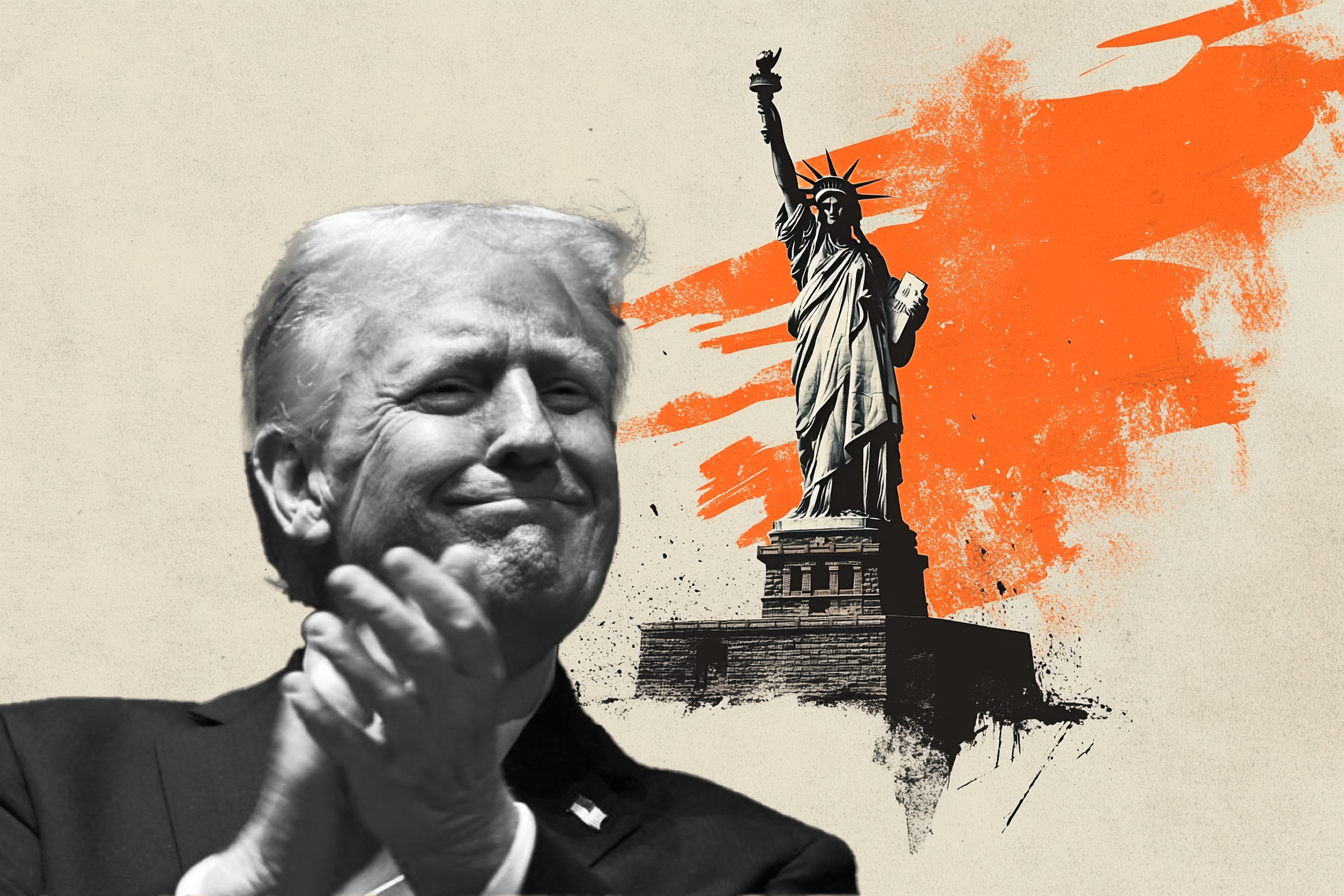
On April 2, 2025, President Trump declared "Liberation Day," announcing significant tariff increases aimed at addressing trade deficits and reshaping U.S. trade policy. The administration characterized this day as a pivotal moment in American trade history, aiming to rectify what they described as unfair trading practices by foreign nations.
Below is a brief evaluation of the market shifts that occurred between April 2, 2025, and April 1, 2026. Throughout the year, several geopolitical events unfolded—including tariff implementations, the Greenland dispute, "Operation Absolute Resolve" in Venezuela, and "Operation Epic Fury" in Iran. Consequently, the U.S. Dollar has seen its dominance as the primary global trade settlement currency diminish, with the pace of this decline accelerating.
Market Performance Summary:
USD Trade Weighted Index: Declined from 104.20 to 99.96 (a 4 % decrease). US 10Y Treasury Yield: Rose from 4% to 4.32% (an 8 % increase).
Brent Crude Oil: Increased from 70 USD to 102 USD (a 46 % increase).
US National Debt: Rose from 36 trillion USD to 39 trillion USD (an 8 % increase).
Gold: Increased from 3,133 USD to 4,757 USD per ounce (a 52 % increase).
Silver: Increased from 34 USD to 75 USD per ounce (a 121 % increase).
The primary takeaways from this period are mounting inflationary pressures, rising yields, and shaken confidence in the U.S. Dollar.
Author

Hany Saleeb
Independent Analyst
Hany Saleeb is a highly experienced Senior Treasurer. With over a decade of experience in treasury, served as Head of Treasury at BM in France and head of research in Sinai Securities.