FX daily: Sterling catches a break
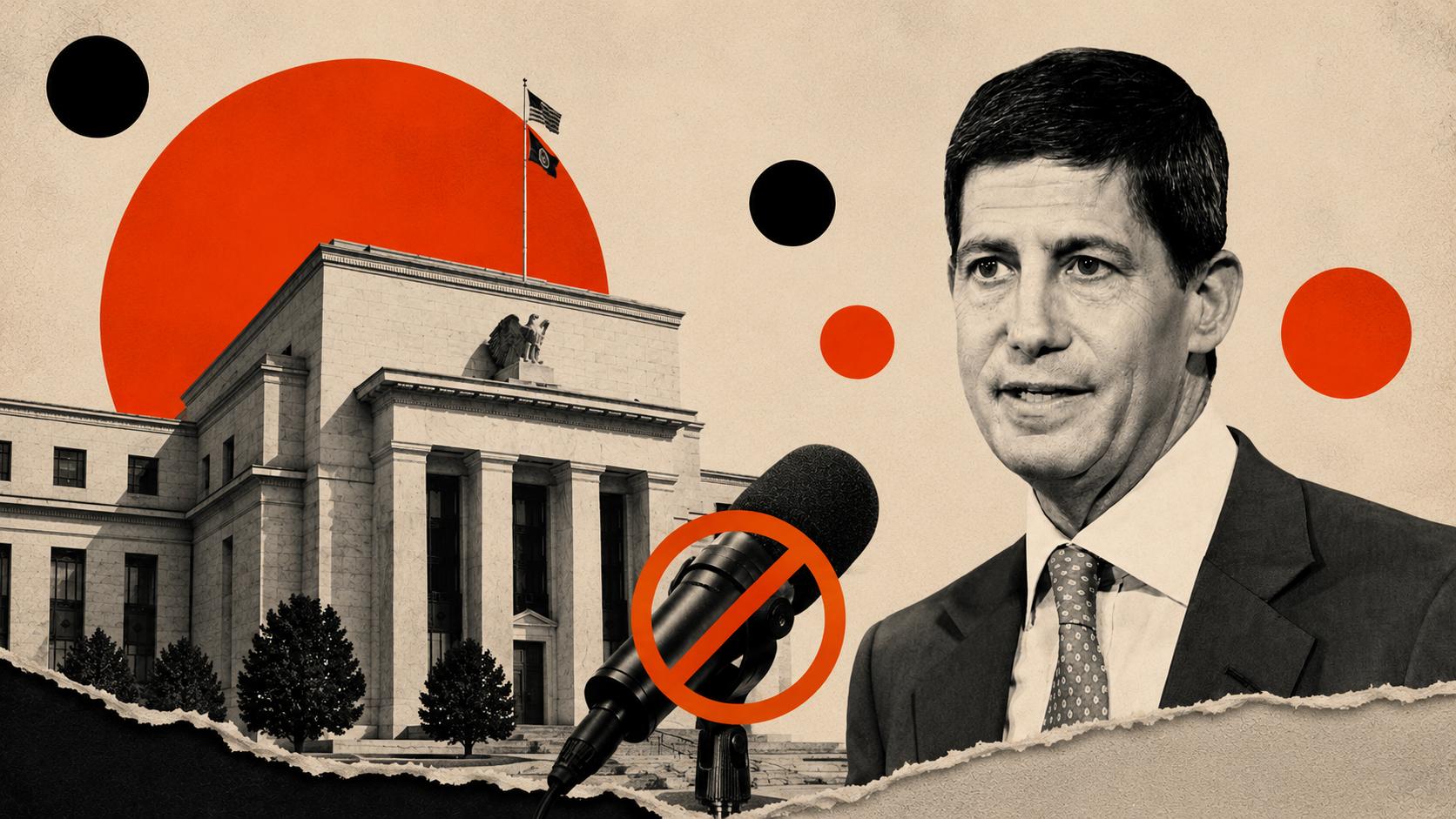
True to his word, new Fed Chair Kevin Warsh gave little indication of the Fed's latest views at his panel appearance yesterday. Instead, he seems happy to let the market make up its own mind on the path for US rates. Fresh input for that decision-making comes from today's US June jobs report, where a strong number is expected. Elsewhere, GBP is doing better.
USD: Dollar price action quite constructive
It looks like FX and interest rate markets (plus this author) were getting a little ahead of themselves in expecting confirmation of hawkish views from Kevin Warsh at Sintra yesterday. Most of the panel discussion involved rubbishing forward guidance as a monetary policy tool and Warsh studiously avoided commenting on any of the Fed's or his own thinking. About 20 minutes into the discussion, the market decided that no hawkish rhetoric would be forthcoming and US short-dated rates dropped 5-6bp and the dollar sold off. Those moves have since been retraced. When the dust settled, it looked like the market was taking the view that Warsh had no complaints about Fed tightening expectations built in by the market, which had helped to lower inflation expectations.
In consequence, Warsh seems happy to let the data drive market expectations and keep the monetary policy debate in-house for FOMC meetings. On that subject, today sees the June NFP reading. Consensus is around +115k, with a whisper number near +140k. The unemployment rate is expected to remain low at 4.3%. We suspect that whatever the number, the dollar can remain relatively supported. Barring a big miss and massive downward revisions to previous months, the Fed's position is that, given the static size of the labour force, even a number close to zero does not need to see the unemployment rate pick up.
DXY sits close to the middle of a one-week trading range. Another 100k+ NFP today could see a move back to 101.50/80 on the view that the Fed could hike sooner than expected. One wild card to consider is that should the data come in soft, Japanese authorities might use the opportunity to sell a lot of USD/JPY – thus, traders will have to stay agile.
EUR: A little weakness coming through
The euro was a little softer on the crosses yesterday. Softer eurozone inflation figures raise questions about whether the ECB needs to follow up with a hike in September after all. Here, a 15bp hike is currently priced for that meeting. However, our eurozone macro team warn that inflation could pick up over the coming months as many government energy subsidy measures expire at the end of June. So it is probably too early to say that a September hike is completely off the table.
While lower energy prices are a very welcome development for the euro, it looks like the Fed-dollar story will be the dominant theme this summer. Our baseline view is that EUR/USD probably retests the 1.1300 area over the coming weeks as the market shifts towards pricing a 50bp Fed rate hike this year. But based on a house view that the Fed does not hike, we are looking for EUR/USD to trade back into the 1.16/18 range into November/December.
GBP: Some short-term gains
EUR/GBP finally broke below big support at 0.8600/8610 yesterday. There was no particular catalyst, but probably the slightly softer euro and the proximity to big support levels triggered some unwinding of stale sterling short positions. Here, asset managers in particular have been running some large sterling short positions. At the same time, it is expensive to be short sterling, where one-week rates are around 3.80%, and with volatility falling we are probably seeing some position liquidation.
There is probably also the view that UK politics may not come back to weigh on sterling until the end of this month or in August. Andy Burnham will probably take over as Labour's leader and UK PM on 20 July. The focus will then be on whether he appoints Ed Miliband as Chancellor (probably a little sterling negative) and then what policies are planned to be enacted in Burnham's first budget – probably in early November. New policy ideas could start to emerge in August. As Keir Starmer found, the UK fiscal straitjacket very much limits room for manoeuvre, and it is hard to see any major spending plans coming through without tax rises.
At the same time, the UK economy typically performs poorer in the second half of the year, and we suspect that Andrew Bailey's dovish half of the MPC would be looking to restart the BoE easing cycle at the first opportunity.
Overall, this current EUR/GBP breakout may temporarily run to the 0.8545/50 area – but that could well be the extent of the move.
CEE: Diverging inflation and PMI signals keep FX pressure uneven
Yesterday's PMI in the region showed quite a mixed picture, with the Czech Republic leading the positive sentiment, while Poland surprisingly declined. However, Polish data in recent months does not show a significant turnaround in the direction of the economy, and we still expect strong growth of more than 3% this year. On the other hand, Tuesday's inflation in Poland showed another surprise to the downside and the July National Bank of Poland meeting next week may show a relatively dovish picture in the new forecast and forward guidance.
This is also reflected in market pricing with around 10bp of rate cuts next year. EUR/PLN tested levels above 4.300 yesterday, but strong resistance acted as a rebound lower, closer to 4.290. Although getting above 4.300 would require a significantly dovish signal from the NBP, there is also little reason to expect the zloty to strengthen in the near future.
On the other hand, the koruna saw some strengthening yesterday, where EUR/CZK follows the interest rate differential. The relationship has recovered in recent weeks and rates point to levels around 24.200 for now. Meanwhile, EUR/HUF has seen some stabilisation around 355-356, and we don't see much reason to move for now, but our bias is still down, where 350-356 could be the range for the second half of the year.
Author

ING Global Economics Team
ING Economic and Financial Analysis
From Trump to trade, FX to Brexit, ING’s global economists have it covered. Go to ING.com/THINK to stay a step ahead.