Food prices likely to increase due to energy shock

On the radar
- Moody’s completed periodic review of ratings in Romania and warned about fiscal consolidation risks.
- Czechia will publish data on trade and share of unemployed in February.
- Hungary will release year-to-date budget performance.
Economic developments
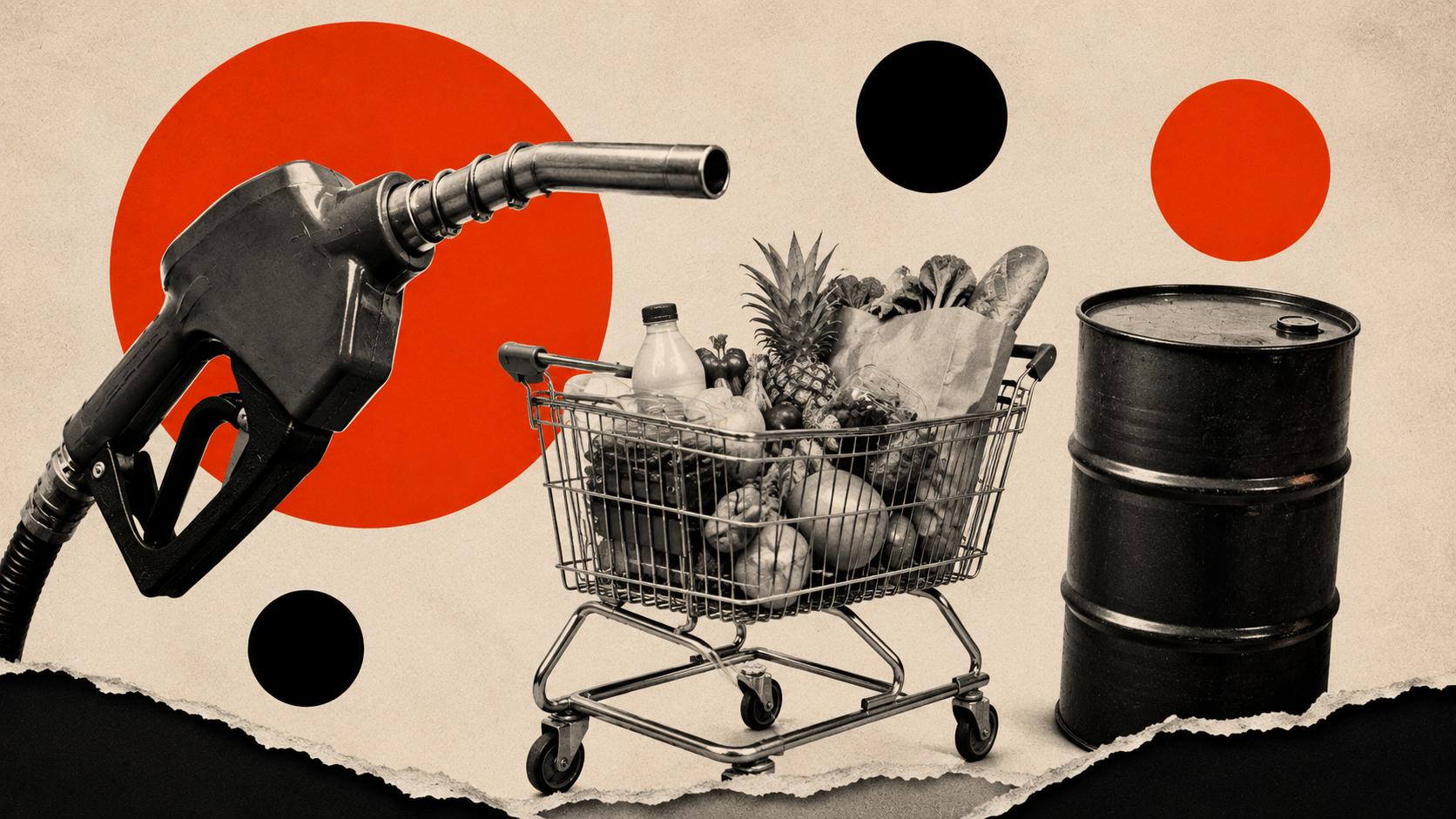
Oil prices have skyrocketed and as of early Monday morning when we are writing this comment, the price of Brent crude has risen toward USD 110 per barrel. Concerns that the conflict will last longer are starting to build up. Furthermore, major oil producers are planning to curb output as storage facilities fill up and the Strait of Hormuz remains closed. Such developments will leave a mark on inflation, at least in the short term. Gasoline prices have already increased over the past week. Today, however, we look at the development of food prices. At this point, the World Food Price Index does not show major inflationary threats. The value for February ticked up marginally to 125.3; however, it is not fully comparable to the much more volatile oil and gas prices. Moreover, the latest value was released prior to the outbreak of the conflict in Iran. Looking at the recent developments in the futures’ prices for commodities such as wheat or corn suggest a sharper increase in recent days. Elevated commodity prices over a longer period will eventually lead to rising food prices as well. Agriculture remains a highly energy intensive sector, and high prices of oil and natural gas will increase the costs of fertilization and transportation, bringing second round effects into play.
Market movements
Moody’s completed periodic review of ratings in Romania (no rating or outlook evaluations), Rating agency, however, warned about fiscal consolidation risks According to Moody’s, Romania’s efforts to reduce its fiscal deficit are under pressure due to weak fiscal policy. Further, a planned change of the prime minister, and the 2028 elections could threaten further deficit cuts and debt reduction. Moody's could downgrade Romania if the government will not be able to implement its plan for fiscal consolidation in an effective way, leading to key fiscal metrics evolving in a way that is materially worse than our current expectations. Last week, CEE currencies weakened against the euro and long-term yields increased substantially as a result of conflict in Iran over last week.
Author

Erste Bank Research Team
Erste Bank
At Erste Group we greatly value transparency. Our Investor Relations team strives to provide comprehensive information with frequent updates to ensure that the details on these pages are always current.