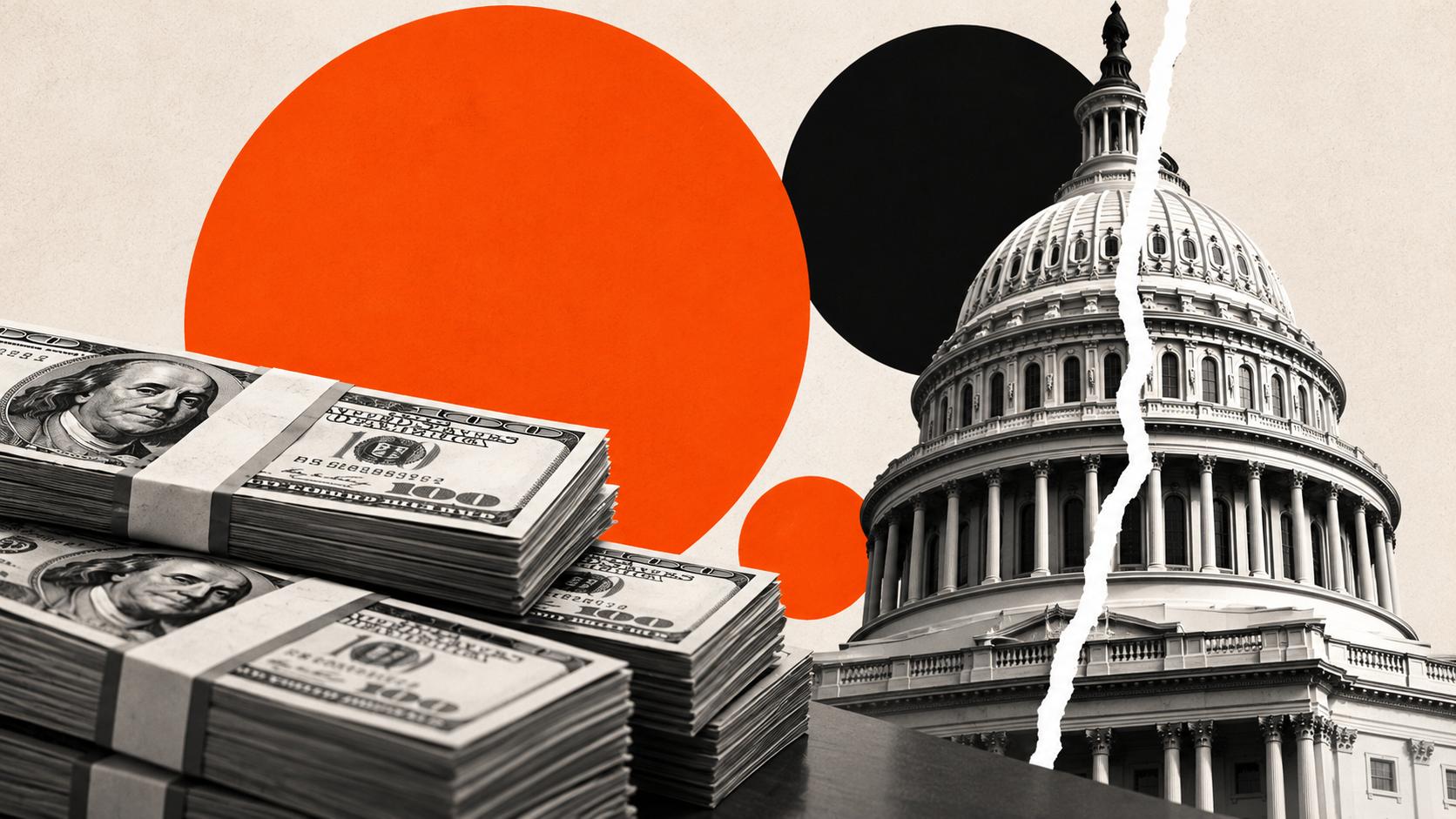
ECB confirms Gold has overtaken treasuries as top global reserve asset

In January, World Gold Council data indicated that gold had replaced U.S. Treasuries as the world’s top reserve asset. A report released by the European Central Bank this week confirms that data.
According to the ECB, as of the end of 2025, gold accounted for 27 percent of central bank reserve assets. That was up 7 percent from a year earlier.
Meanwhile, the share of Treasuries in central bank reserves fell from 25 percent to 22 percent.
The share of euro-denominated assets remained steady at 15 percent.
Despite the drop in Treasury holdings, the dollar remains the primary reserve asset, with dollar-denominated assets accounting for 42 percent of global reserves.
However, that share is slowly shrinking.
The Financial Times asserted that this is part of a broader global de-dollarization effort.
“The shifting composition of reserve assets — highly liquid holdings that central banks use to support their currencies, meet international payment obligations and provide liquidity in times of financial turmoil — reflects an attempt by many countries to seek alternatives to the U.S. dollar, the world’s de facto reserve currency.”
The Times noted that de-dollarization has accelerated since 2022, when the U.S. and its Western allies aggressively sanctioned Russia and effectively locked it out of the global SWIFT payment system after the invasion of Ukraine. This weaponization of the dollar has made some countries wary of holding dollar-denominated assets.
ECB President Christine Lagarde said, “Geopolitical tensions continue to drive strong central bank demand for gold.”
The pace of central bank purchases moderated in 2025 but remained far above the recent historical average. Official net full-year buying came in at 863.3 tonnes. That was down 21 percent year-on-year, charting the lowest level since 2021.
However, while central bank gold purchases declined last year, they remained well above the 2010-2021 annual average of 473 tonnes.
To put that into context, central bank gold reserves increased by an average of just 473 tonnes annually between 2010 and 2021.
Last year was the fourth-largest expansion of central bank gold reserves on record. The all-time high was set in 2022 (1,136 tonnes). It was the highest level of net purchases on record, dating back to 1950, including since the suspension of dollar convertibility into gold in 1971.
According to the Financial Times, central banks globally hold 36,000 tonnes of gold. That is nearly as much as the peak of the Bretton Woods era, when the dollar was tied to gold (38,000 tonnes).
The weaponization of the dollar is just one factor driving the de-dollarization trend. Many countries are becoming wary of the U.S. fiscal situation. The national debt has surged to over $39 trillion and has eclipsed 100 percent of GDP.
At some point, people stop loaning their drunk Uncle money.
The dollar doesn't have to lose its reserve status for de-dollarization to become a significant problem for the U.S., because it depends on the global demand for dollars to underpin its massive government.
The only reason Uncle Sam can borrow, spend, and run massive budget deficits to the extent that it does is the dollar’s role as the world's reserve currency. It creates a built-in global demand for dollars and dollar-denominated assets. This absorbs the Federal Reserve’s money creation and helps maintain dollar strength despite the Federal Reserve’s inflationary policies.
If the world needs fewer dollars, they will begin to return to the U.S., causing a dollar glut. This will increase inflationary pressure domestically as the value of the U.S. currency further depreciates. In the worst-case scenario, the dollar could collapse completely, leading to hyperinflation.
To receive free commentary and analysis on the gold and silver markets, click here to be added to the Money Metals news service.
Author

Mike Maharrey
Money Metals Exchange
Mike Maharrey is a journalist and market analyst for MoneyMetals.com with over a decade of experience in precious metals. He holds a BS in accounting from the University of Kentucky and a BA in journalism from the University of South Florida.