De-Dollarization alert: China set to launch alternative global payment system
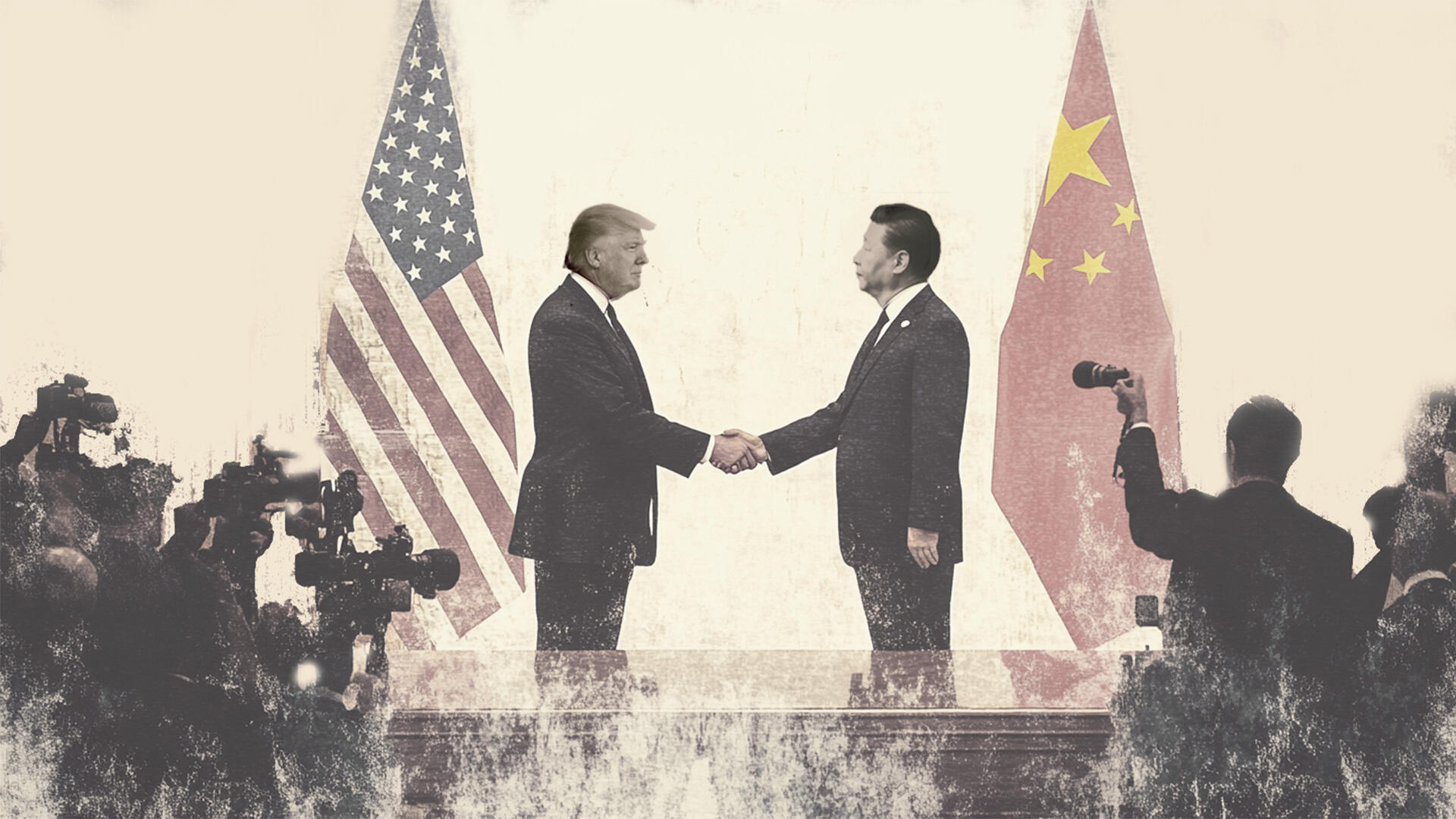
In another move that could speed up de-dollarization, China is set to launch a payment system using digital currency.
According to the Financial Times, the move could “reshape cross-border transactions, reduce reliance on the dollar, and draw Beijing closer to its ‘Belt and Road’ trading partners.”
People familiar with the matter told the Times that the mBridge platform will be backed by central banks in China, Hong Kong, Thailand, and the UAE. A Hong Kong-based entity will oversee its operation. The blockchain-based platform will use central bank digital currency (CBDC).
In practice, participating central banks will issue wholesale CBDCs using a shared distributed ledger instead of moving bank deposits through multiple institutions.
According to analysts, mBridge has already processed around ¥470 billion in transactions.
Officials close to the matter say commercial banks could also use mBridge under the supervision of their central banks.
Sources said the fees for accessing mBridge will be half those of SWIFT and other international payment systems. Many smaller businesses will find the cost of mBridge appealing.
Weaponization of the Dollar
SWIFT once dominated international settlement. However, Institute of International Finance head of China research Gene Ma said it is fragmenting into a “system of competing networks,” with mBridge about to join the party.
The Society for Worldwide Interbank Financial Telecommunication (SWIFT) system serves as the global economy’s superhighway. In effect, it operates as a global financial messaging service, facilitating cross-border payments. As the SWIFT website puts it, “SWIFT is the way the world moves value.”
Since the dollar serves as the world reserve currency, SWIFT effectively facilitates an international dollar system.
After the invasion of Ukraine, the U.S. and its allies quickly imposed economic sanctions on Russia, and they escalated quickly. Officials initially indicated Russia would not be locked out of SWIFT, but a few days later, the United States, the European Union, the UK, and Canada issued a joint statement announcing SWIFT would disconnect “selected” Russian banks from the global payment system.
This weaponization of the dollar has many countries looking for alternatives that don’t involve the greenback.
China already operates a more traditional renminbi alternative to SWIFT known as CIPS. It reduces intermediaries and allows participating banks to clear RMB transactions more directly. The use of this system has surged since the beginning of the U.S.-Iran conflict. More than 100 countries have accessed the CIPS system to conduct cross-border transactions in yuan.
mBridge will complement CIPS.
Analysts say mBridge could further reduce dependence on traditional correspondent banking networks. Parties using the mBridge system will not need dollars, and settlements occur directly in participating digital currencies. This will allow participating parties to avoid traditional banking intermediaries and currencies.
As one analyst put it, CIPS upgrades today's banking rails, while mBridge proposes building an entirely new set of rails for certain cross-border transactions.
Undercutting the Dollar
Guosen Securities chief financial sector analyst Wang Jian said mBridge could “strengthen China’s voice in the global monetary order and support the internationalization of the renminbi.”
It could also further undercut the dollar.
While mBridge won’t replace SWIFT and won't likely knock the dollar off its perch as the global reserve currency, it could decrease global dependence on the greenback. And even a modest decrease in the demand for dollars could spell disaster for the U.S. economy.
Since the global financial system runs on dollars, the world needs a lot of them, and the United States depends on this global demand to underpin its bloated government. The only reason the U.S. can borrow, spend, and run massive budget deficits to the extent that it does is the dollar’s role as the world's reserve currency. It creates a built-in global demand for dollars and dollar-denominated assets. This absorbs the Federal Reserve’s money creation and helps maintain dollar strength despite the Federal Reserve’s inflationary policies.
But what happens if that demand drops?
A de-dollarization of the world economy would cause a dollar glut. The value of the U.S. currency would further depreciate. At the extreme, global de-dollarization could spark a currency crisis. You and I would feel the impact through more price inflation, eating away at the purchasing power of the dollar. In the worst-case scenario, it could lead to hyperinflation.
To receive free commentary and analysis on the gold and silver markets, click here to be added to the Money Metals news service.
Author

Mike Maharrey
Money Metals Exchange
Mike Maharrey is a journalist and market analyst for MoneyMetals.com with over a decade of experience in precious metals. He holds a BS in accounting from the University of Kentucky and a BA in journalism from the University of South Florida.















