Could the ECB be done with rate hikes?
Gathered in Sintra, Portugal, from 29 June to 1st July, the members of the ECB Governing Council adopted a notably cautious stance, just three weeks after raising key interest rates. This unanimous decision was in response to the energy shock triggered by the conflict in the Middle East. Since then, energy prices have fallen sharply, and the inflation and survey data from June have shown positive trends. However, the indirect effects of the energy shock are still difficult to assess fully. We maintain our scenario of an additional ECB rate hike in September, despite the easing of inflation risks, which makes such a move less likely.
A deliberately cautious approach
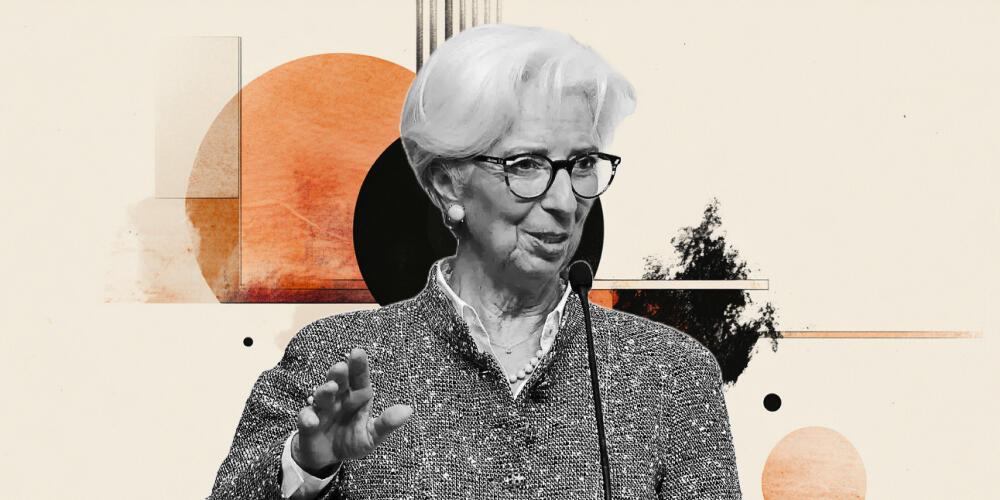
In her opening remarks in Sintra, Christine Lagarde reminded the audience that the conduct of monetary policy now takes place in a more volatile and less predictable environment, characterised by a larger number of and more diverse economic shocks. Faced with this uncertainty, the ECB president advocated for a communication style she referred to as “framework guidance”: an approach centred around scenarios and less prescriptive regarding the future rate paths compared to traditional “forward guidance”. This aligns with the new monetary policy strategy the ECB introduced exactly one year ago in Sintra. The strategy provides the ECB with increased flexibility to manage deviations from the 2% target when they are limited and temporary, without causing a significant de-anchoring of inflation expectations. The current shock is precisely the kind of situation the new framework is designed to address.
ECB chief economist Philip Lane summed up the common line – with only minor nuances – that emerged from the various Governing Council members during the forum: do not lock yourself into a specific rate path until the impact of the shock on other components of inflation is better understood. For her part, Christine Lagarde, participating in a panel discussion alongside Andrew Bailey (Bank of England), Kevin Warsh (U.S. Fed) and Tiff Macklem (Bank of Canada), defended the June rate hike as fully justified, while acknowledging that the risks to inflation and growth now appear more balanced (less upside risks to inflation, less downward risks to growth).
Author

BNP Paribas Team
BNP Paribas
BNP Paribas Economic Research Department is a worldwide function, part of Corporate and Investment Banking, at the service of both the Bank and its customers.