Canada’s inflation scare is a gasoline story, not a rate-hike story
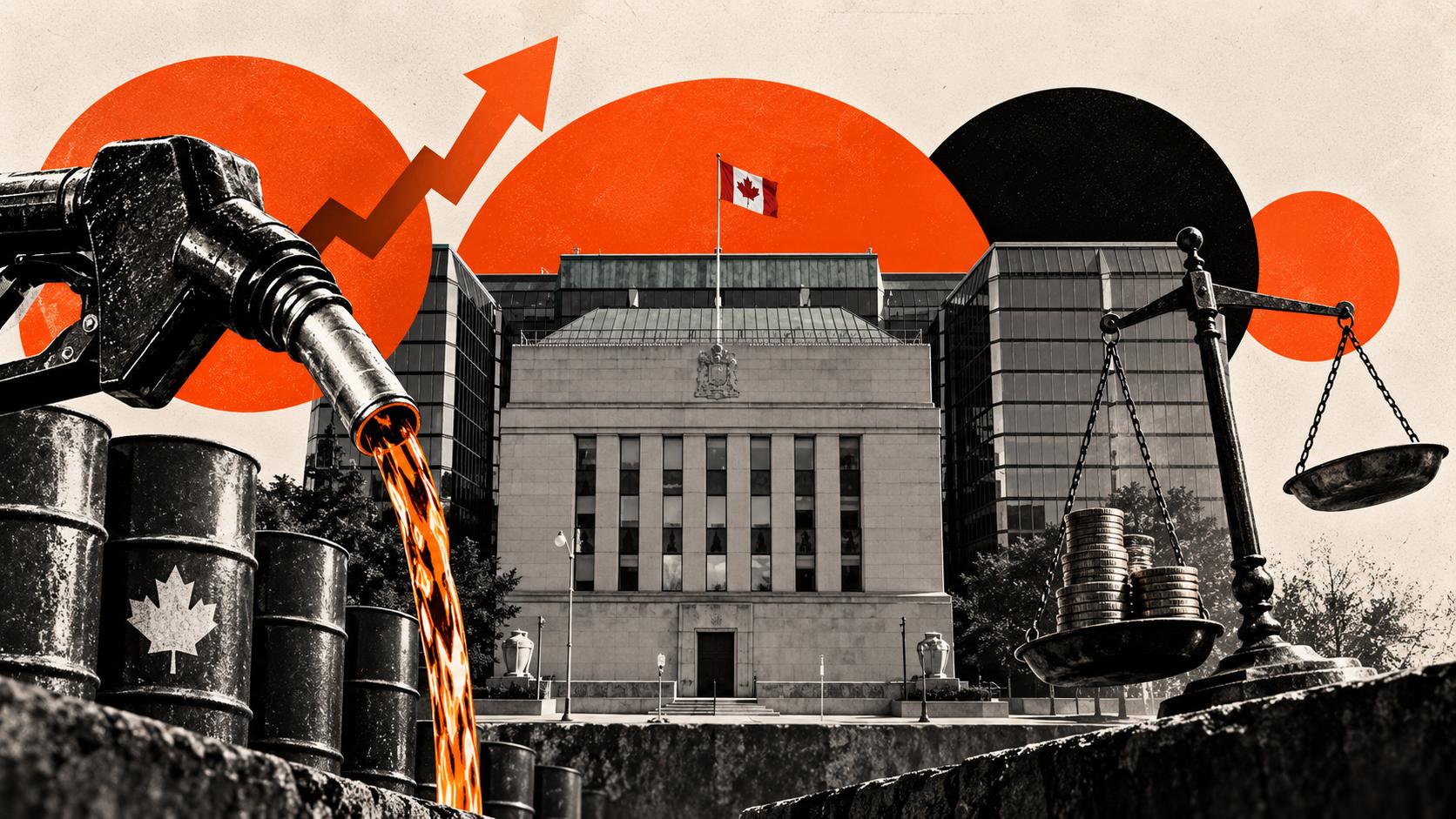
Canada’s latest inflation report has reignited speculation that the Bank of Canada (BoC) could raise interest rates as early as its October 28 meeting. Headline inflation climbed to 3.1% YoY in September, exceeding the central bank’s 2% target and strengthening expectations of a more restrictive monetary policy stance.
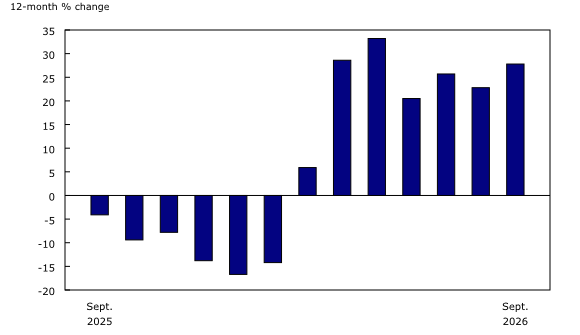
However, the headline figure tells only part of the story. Much of the acceleration came from gasoline prices, which surged by 27.8% compared with a year earlier. Outside the energy sector, price pressures remain considerably more contained, raising questions about whether higher borrowing costs would address the main source of inflation.
The distinction matters because Canada faces an unusual combination of rising energy prices, weak employment and a fragile economic recovery. While financial markets increasingly anticipate a rate hike, the underlying economic picture suggests that the central bank has reasons to proceed cautiously.
Gasoline accounts for much of Canada's inflation shock
The increase in Canada's Consumer Price Index (CPI) to 3.1% in September initially appears to signal a renewed inflation problem. Yet a closer examination of the data reveals that energy prices account for a substantial share of the acceleration.
Gasoline prices jumped by 27.8% YoY, reflecting the impact of elevated global Oil prices on Canadian consumers. This increase directly affects household transportation costs and pushes the overall inflation rate higher.
By contrast, inflation excluding energy remained around 2.2% YoY, much closer to the Bank of Canada's target. Grocery prices increased by a relatively modest 1.7%, suggesting that the latest inflationary shock has not spread uniformly across essential household spending categories.
The central bank's preferred measures of underlying inflation reinforce this distinction. CPI-median stood at 1.9% YoY, while CPI-trim reached 1.8% YoY. Both indicators remain below the 2% target, pointing to limited evidence of widespread inflationary pressure.
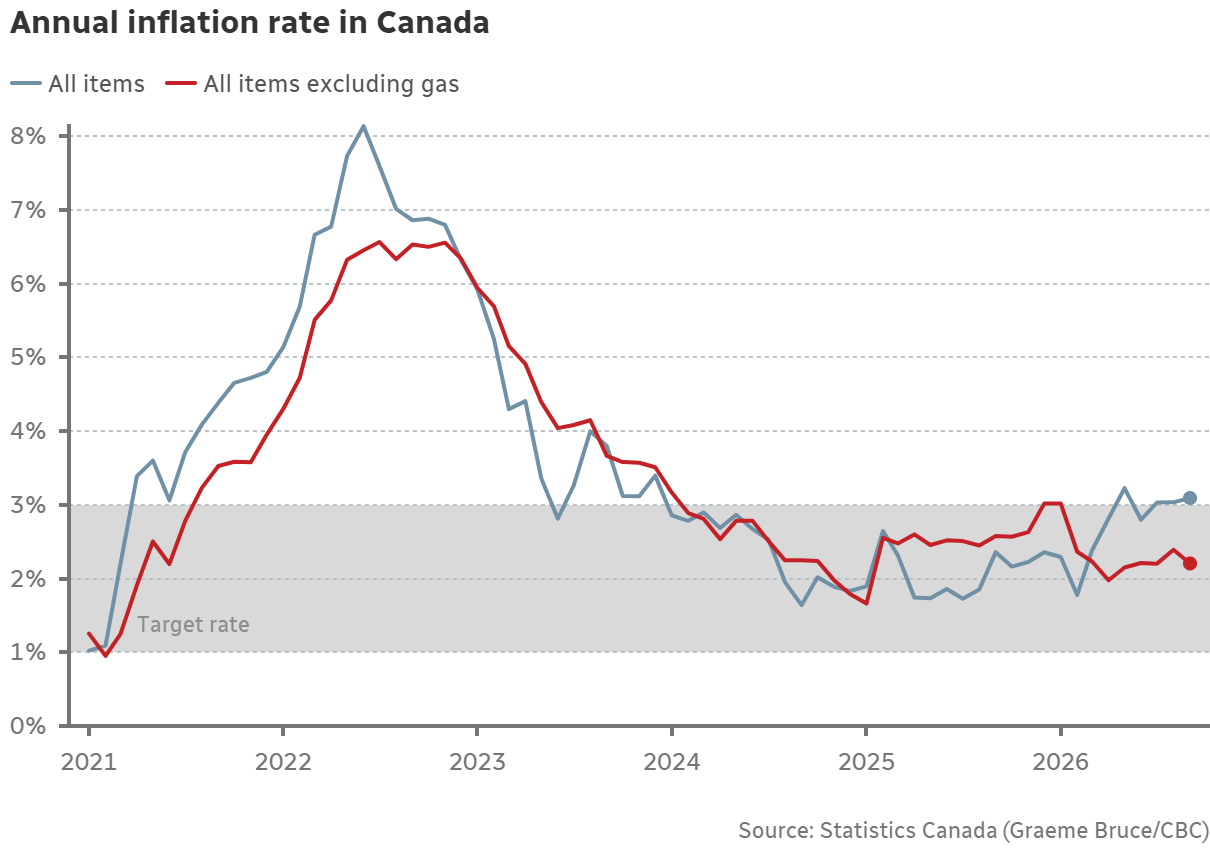
Avery Shenfeld, Chief Economist at Canadian Imperial Bank of Commerce (CIBC), highlights the difference between headline inflation and underlying price trends: "We have inflation in gasoline prices, which every Canadian already knew, but we don't have a lot of inflation anywhere else," Shenfeld told CBC News. He added: "Essentially, if you strip out the gasoline price increases, the various measures of underlying trend inflation are around two per cent."
These figures challenge the idea that Canada is experiencing a broad-based resurgence in inflation. Instead, they suggest that the latest increase largely reflects an external energy shock rather than excessive domestic demand.
This distinction is central to monetary policy. Higher interest rates can discourage borrowing, consumption and investment, but they have little direct influence over global crude Oil prices.
Why financial markets are betting on an October rate hike
Despite the relatively contained underlying inflation figures, investors have sharply increased their expectations of a Bank of Canada rate hike. According to Reuters, money markets raised the chance of a 25-basis-point interest rate hike at the BoC’s October 28 meeting to around 80%, up from about 30% before the release of September's inflation data. Such a move would lift the policy rate from its current level of 2.25% to 2.50%.
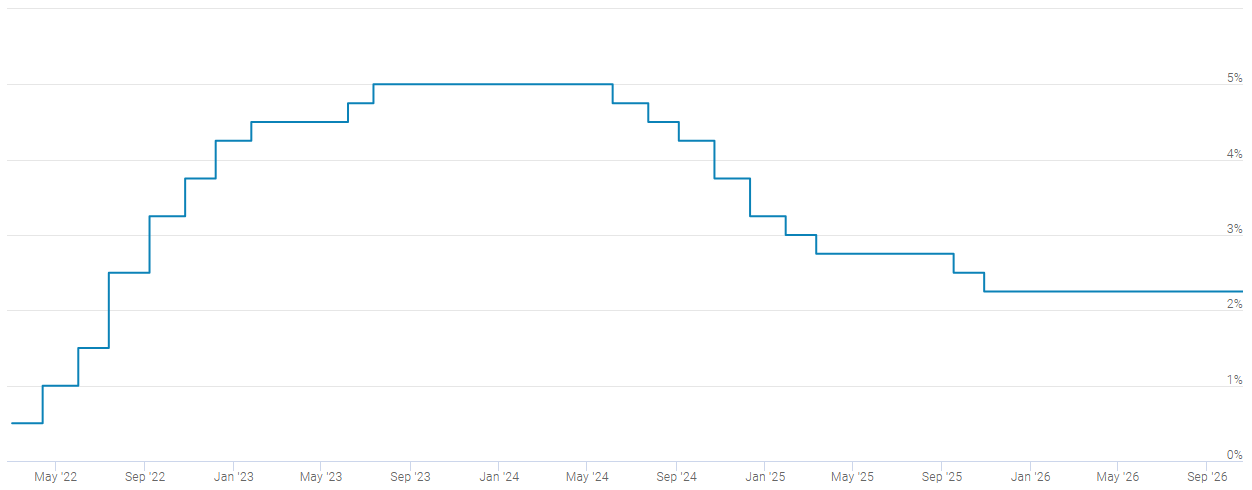
The repricing reflects concerns that elevated energy prices could eventually spread to other parts of the economy. Even when an inflation shock begins with gasoline, its effects can extend to transportation, manufacturing, food distribution and consumer expectations.
BoC Governor Tiff Macklem has acknowledged these risks: "If Oil prices stay around $100, we expect inflation to gradually drift up from where it is today: three per cent," Macklem told reporters on Saturday in Bangkok. His remarks suggest the central bank is concerned not only about the immediate impact of higher gasoline prices but also about the possibility that prolonged energy inflation could become embedded in broader pricing decisions.
Businesses facing persistent increases in transportation and production costs may eventually pass those expenses on to consumers. Workers may also seek higher wages to compensate for reduced purchasing power, potentially creating more persistent inflation.
Royce Mendes, Managing Director and Head of Macro Strategy at Desjardins, warns that central banks may find it increasingly difficult to disregard the inflationary effects of sustained energy price increases: "Central bankers can no longer look through the inflationary impact of high energy prices," according to The Globe and Mail. He added: "Businesses have faced elevated input costs for long enough that we now believe more broad-based consumer price increases are imminent."
This is the strongest argument for a preventive rate hike, acting before a concentrated energy shock turns into a more persistent inflation problem. However, the risk of broader price increases does not necessarily mean that such increases are already visible in the data.
Canada's fragile economy complicates the case for higher rates
The labour market is one of the clearest arguments against an immediate tightening of monetary policy. A decline of roughly 68,000 jobs in September suggests that economic activity is not generating the kind of employment growth normally associated with overheating demand.
Higher interest rates would increase financing costs for households and businesses, potentially discouraging investment, housing activity and consumer spending. They would also arrive at a time when Canadian bond yields are already rising.
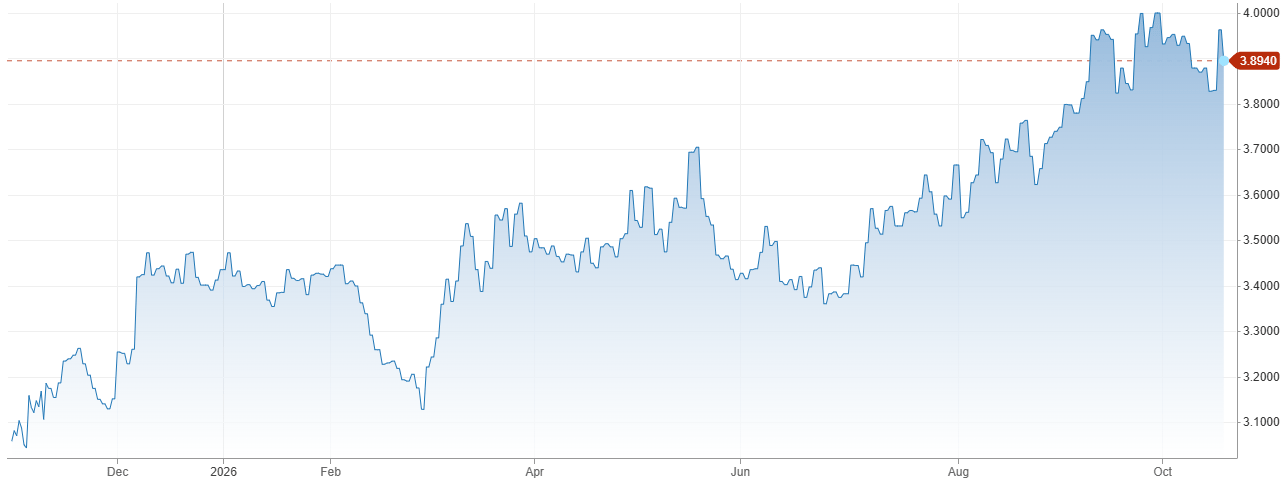
This matters because financial conditions can tighten even without a formal increase in the central bank's policy rate. Higher government bond yields can translate into more expensive mortgages, corporate financing and other forms of credit.
Claire Fan, Senior Economist at Royal Bank of Canada (RBC), argues that these developments warrant caution: "We continue to see fragile economic recovery as the biggest counterweight to heightened inflation risks, and expect caution from the BoC, especially when rising bond yields are already tightening financial conditions and raising borrowing costs for businesses and households," according to The Globe and Mail.
The interaction between monetary policy and market interest rates is particularly important. If investors push bond yields higher because they expect the central bank to tighten policy, some of the intended restrictive effect may occur before policymakers take action. An additional rate hike could amplify that pressure, particularly for indebted households and businesses.
Trade uncertainty adds another layer of vulnerability. US tariffs can weaken Canadian export demand, discourage business investment and disrupt supply chains, making the economic outlook more difficult to assess. Under these conditions, the central bank must weigh the risk of inflation persistence against the possibility of unnecessarily deepening an economic slowdown.
October 28: A test of the Bank of Canada's inflation strategy
The Bank of Canada's October 28 decision is shaping up as a test of how policymakers respond to inflation driven primarily by external energy costs. Financial markets are increasingly positioned for a 25-basis-point increase, but the economic case remains less straightforward than the headline inflation rate suggests.
A rate hike could signal that the central bank is determined to prevent higher energy costs from spreading into wages and other consumer prices. It could also reinforce confidence that inflation will eventually return to the 2% target.
However, keeping rates unchanged would not necessarily indicate complacency. With CPI-median at 1.9%, CPI-trim at 1.8% and employment weakening, policymakers have evidence that domestic inflation pressures remain relatively subdued. The central bank could therefore emphasize its readiness to act if energy-driven inflation becomes more persistent, while avoiding an immediate increase in borrowing costs.
The decisive factor is likely to be the distinction between inflation that is already widespread and inflation that might become widespread. For now, Canada's latest inflation scare is primarily a gasoline story. Whether it becomes a rate-hike story depends on how convincingly the Bank of Canada believes that higher energy prices will spread through the broader economy. With underlying inflation close to target and economic growth fragile, an aggressive response carries risks of its own.
Author

Ghiles Guezout
FXStreet
Ghiles Guezout is a Market Analyst with a strong background in stock market investments, trading, and cryptocurrencies. He combines fundamental and technical analysis skills to identify market opportunities.