Burnham's first misstep spells bad news for pound
The accession of Andrew Burnham to the role of Prime Minister occurred with little fanfare in markets, once it became clear that Ed Miliband would not be the Chancellor. Whilst this initial exuberance did last for the best part of a week, it was on Burnham’s first day in the job that he started to make slightly alarming missteps. Firstly, as part of the new PM’s commitment to lower the cost of living (a consistent commitment promised and not achieved by the last 3 PMs), Burnham swore to cut VAT on energy bills, saving the average household a whopping £48 a year.
Still, as minuscule as this saving is per household, the Treasury suggests that this measure will cost circa. £5bln per annum to cut. Moreover, beyond tax cuts, Burnham has pledged to increase the foreign aid budget from 0.2% of GDP to 0.7%, representing an effective increase in spending of circa £13bln.
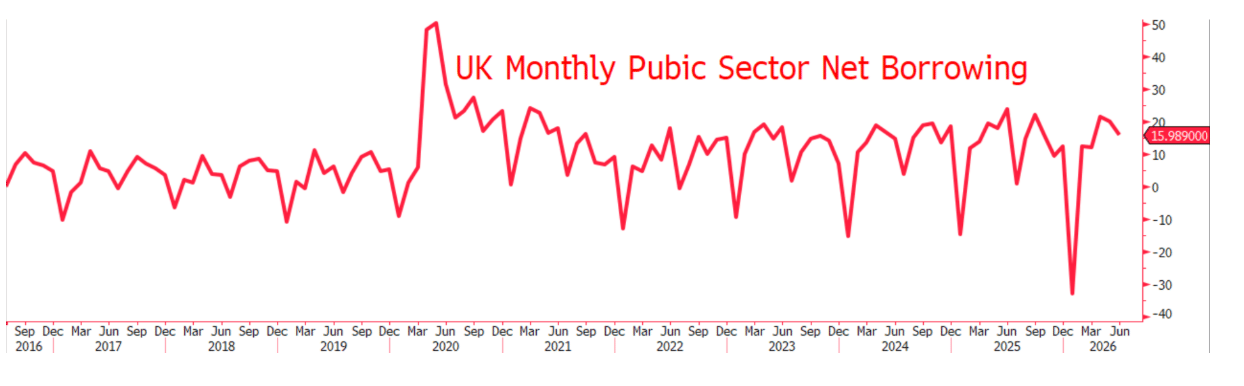
This is on top of the likely increases in defence spending now that ex-Defence Secretary John Healey is Chancellor, the same man who resigned his previous post due to a lack of funding. Defence spending is scheduled to hit £80bln overall by 2029, and any increase to this will come at a high cost. This means that Burnham could be faced with upwards of £25bln in cash needed just to plug his most pressing concerns.
And at this time, of all times, the new PM chooses to allude to future cuts in taxes, suggesting he is still yet to learn the most important role of a UK PM: underpromise and overdeliver on the economy. Besides this, never make claims of unfunded tax cuts or spending hikes equal to 10’s of billions.
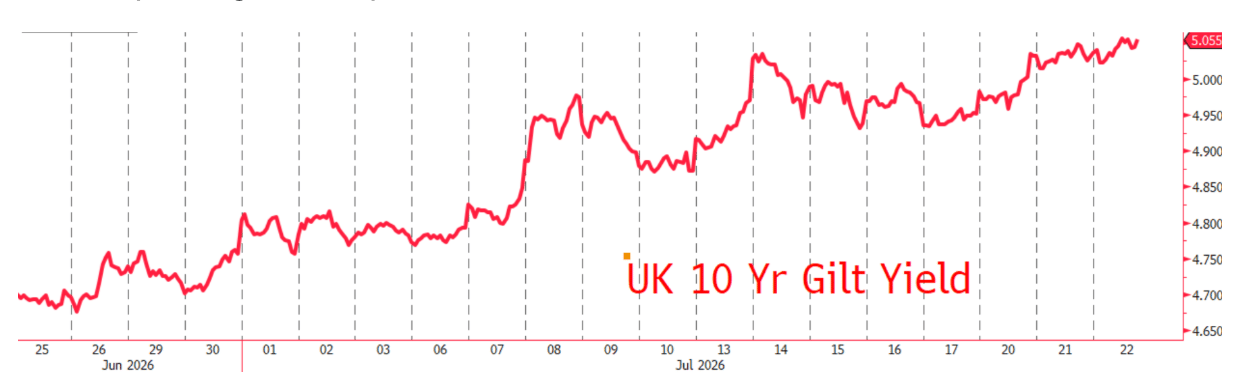
At the same time, Gilt yields continue to trip upwards; undoubtedly this is partly due to the ongoing rise in energy prices, with Brent going from $75bbl to $95 in the space of 3 weeks. However, if Burnham insists on continuing down this road of discussing higher public spending whilst also touting lower taxes, he could very quickly become unstuck. I would hope Treasury staff would be keen enough to intervene after the Liz Truss era and tell the PM he has to be more careful in making these comments, but for now, it does the Pound no favours.
Author

David Stritch
Caxton
Working as an FX Analyst at London-based payments provider Caxton since 2022, David has deftly guided clients through the immediate post-Liz Truss volatility, the 2020 and 2024 US elections and innumerable other crises and events.