|

BoE signals 'insurance hike' in November – Sterling 'gets little help' from hawkishness
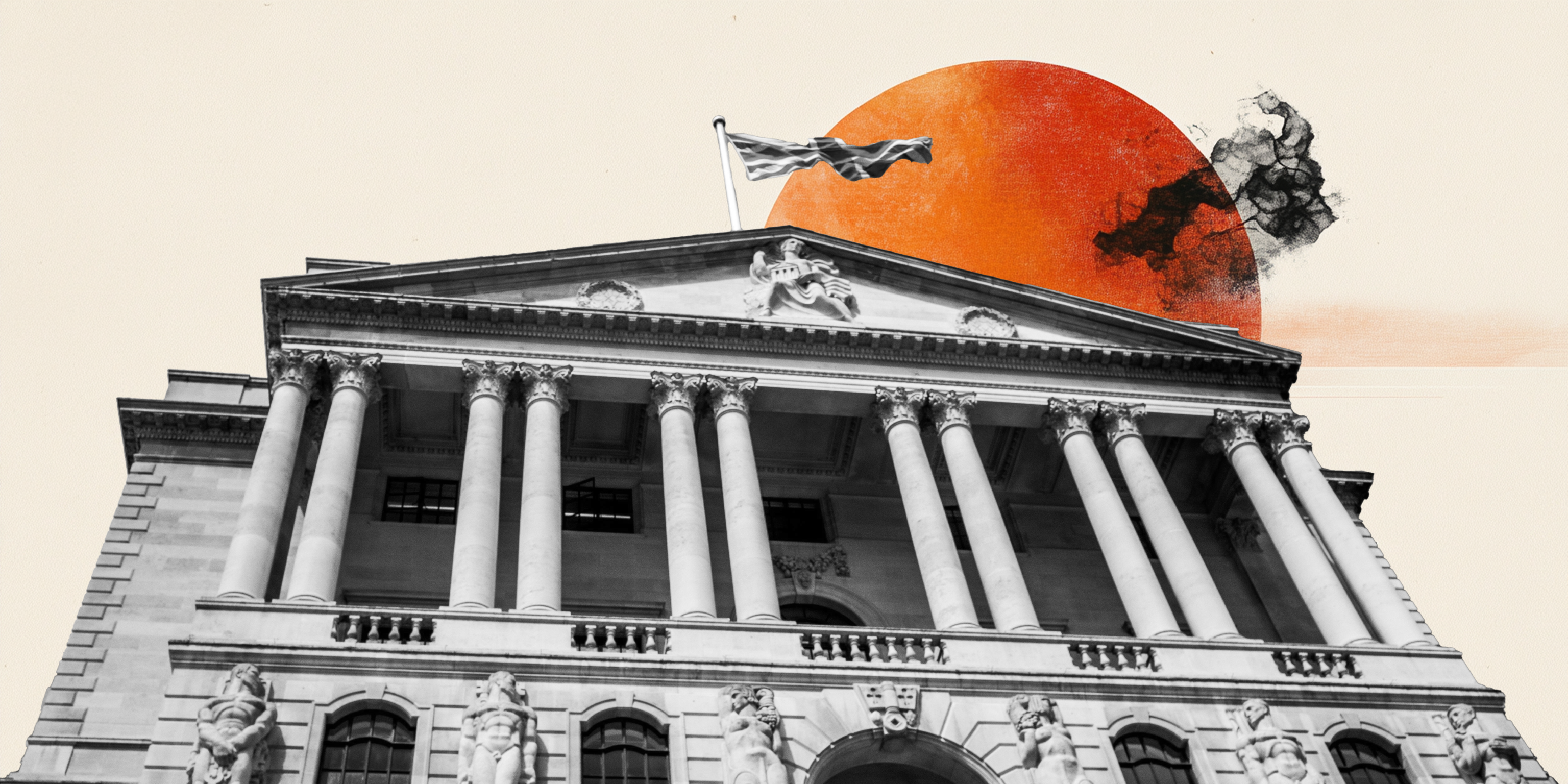
The Bank of England left rates unchanged at its September meeting, though its hawkish set of communications suggested that it was prepared to raise rates later in the year.

The vote was split 6-3, which disappointed some of the market that had been anticipating a 7-2 outcome. The MPC's inflation projections were revised upwards, and several members noted that they could soon pivot towards a hike should the energy shock persist, which the bank explicitly said was likely.

While we would argue that the domestic outlook, notably stable core inflation and a weakening jobs market, does not warrant higher rates, we now expect the bank to deliver an insurance hike at the November meeting.

Sterling got little help from this hawkishness and actually sold off following Thursday’s decision, which may partly be due to a classic case of “buy the rumour, sell the fact”, while most other G10 central banks are also pushing their expectations for policy rates higher.

The recent tone in economic releases from the UK has been generally positive, and we expect this week's PMI numbers to validate this optimism, but the relentless rise of gilt rates is starting to introduce downside risks to public budget execution.

Author

Matthew Ryan, CFA

Matthew is Global Head of Market Strategy at FX specialist Ebury, where he has been part of the strategy team since 2014. He provides fundamental FX analysis for a wide range of G10 and emerging market currencies.


More from Matthew Ryan, CFA
Share:

Editor's Picks

AUD/USD sticks to neutral bias above 0.7100 amid cautious markets

AUD/USD holds steady above 0.7100 in the Asian session on Monday as the US Dollar stalls its modest pullback from the highest level since late July amid persistent geopolitical uncertainties. The PBOC status quo on Loan Prime Rates also weighs on the Aussie. However, bets on another RBA rate hike continue to underpin the Australian Dollar ahead of the Trump-Xi Summit.

USD/JPY eases below 157.00 amid looming intervention risks

USD/JPY is easing back below 157.00 in Asia on Monday, undermined by modest Japanese Yen strength amid looming intervention risks after Friday's BoJ rate check. A Japanese holiday also keeps traders on edge amid escalating geopolitical tensions between Russia and Ukraine and in the Middle East. As a result, the US Dollar pauses its pullback, limiting the pair's downside.

Gold remains depressed around $4,350 amid rate jitters, modest USD strength

Gold maintains its offered tone through the first half of the European session, and currently trades around $4,350, down over 0.50% for the day. The commodity, however, holds comfortably above a six-week low, touched last Wednesday as traders await further developments around the Middle East crisis and their implications for inflation. This, in turn, would influence interest rate expectations and, in turn, drive the non-yielding bullion.

Bitcoin hits $85,000 for the first time in eight months
Bitcoin price reclaims $85,000 on Monday, advancing last week’s 5% recovery toward an eight-month high. The recovery in King Crypto aligns with renewed institutional demand, with Exchange Traded Funds (ETFs) recording $433 million in inflows on Friday.
The week ahead: Fuel prices in focus as we lead up to key eco releases

Financial markets are in a strange position as we move to the final weeks of Q3, uncertainty and volatility continue to grip markets, but the oil price is falling; and European and US stocks are poised to open higher later on Monday. Market stresses are concentrated in sovereign bonds, and European and US yields had another scare late on Friday, and moved higher.

BoJ Recap: Not as hawkish as expected

The Bank of Japan (BoJ) raised its short-term interest-rate target to 1.25% from 1.00% in a 7-2 vote, marking another step in the normalisation of monetary policy and widely matching what everyone has been expecting for weeks.













