Bessent stopped short of announcing secondary sanctions on Iran’s trading partners and financial institutions
Markets
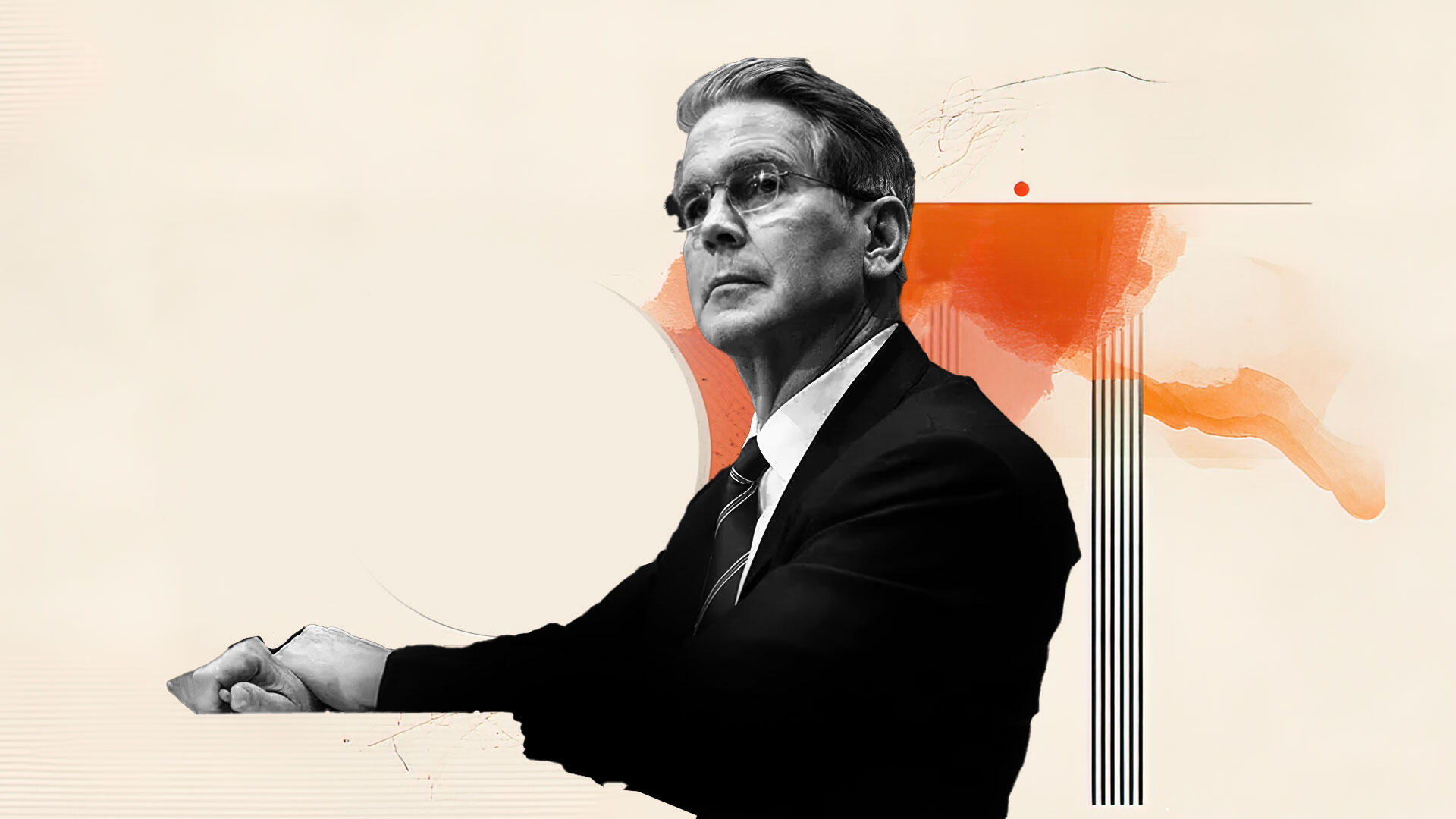
US Treasury Secretary Bessent stopped short of announcing so-called secondary sanctions against Iran’s trading partners and its financial institutions in particular in yesterday’s closely watched presser. He issued a final warning instead. He did unveil more sanctions on other entities, individuals and vessels but falls way short of what was dubbed “economic D-Day” beforehand. It shows the tightrope the US administration is walking since cutting of Iran’s remaining financial lifelines once and for all would mean going after Chinese companies. That would risk retaliation and more global economic upheaval. It’s also tricky from a diplomatic point of view with next month’s summit (September 24) in mind that, amongst others, aims to suspend a trade pact that’s set to expire November 10. Meanwhile, people familiar said the US is exploring a 7.5% tariff on Chinese goods over allegations of excess industrial capacity. That would restore total levies to around 20%, a level China said is consistent with the truce.
Staying with the US Treasury, officials as quoted by CNBC yesterday floated the idea to fund the increased-in-size bond buybacks by tapping the General Account. That’s a nearly $t10 war chest that usually serves as a financial buffer (e.g. when tax revenues unexpectedly drop). That offered the long end of the curve some small relief with net daily changes up to -4.8 bps. But we doubt there’s much more to come other than this kneejerk move but for now it may have removed the sting out of the long end going into this week’s key event(s), including tomorrow’s PCE deflators and Friday’s Fed Warsh appearance. The (US) economic calendar is a moderately interesting one but neither the weekly ADP job gains nor the August Conference Board consumer confidence indicator is likely to move a needle. The US does tap the bond market with a $69bln 2-yr auction. German yields varied between +2.3 bps (2-yr) to -1.2 bps (30-yr). Bear flattening came on the heels of gas prices shooting ever higher, nearing €70/MWh. Euro area money markets keep betting on at least two more hikes (to 2.75%), currently by February next year. Oil prices eased a tad to $92+ levels. A fragile risk sentiment favoured the US dollar slightly over G10 peers. EUR/USD grinded lower towards 1.1660. DXY was able to secure 99 again and trades with a slight edge this morning too. Crypto meanwhile continues its recent ascent. Bitcoin closes in on the May 2026 correction high.
News and views
Minutes of the previous Reserve Bank of Australia policy meeting point out that policy is already restrictive and helping to slow the economy. Inflation has eased somewhat, but underlying inflation remains too high at 3.6% and is expected to return to target only by late 2027. Economic growth is slowing, housing activity is weakening, and the labour market is gradually cooling. However, demand remains strong enough that inflation risks have not disappeared. The RBA sees more upside than downside risks to inflation, mainly from higher energy prices linked to the Middle East conflict, strong AI and data-centre investment boosting demand and continued weak productivity growth. Although the RBA decided not to raise rates in August (option was considered), it made clear that further rate hikes remain possible if inflation proves more persistent than expected. Australian money markets currently attach a 70% probability to a final rate hike in Q1 2027.
Czech parliament will today start debating a broader amendment to the country’s budgetary framework. Overall, it would make fiscal policy more flexible and allow for a bigger deficit. Czech president Pavel earlier vetoed the bill, but PM Babis has the numbers in parliament to overrule it. The bill would amongst others exclude certain defense expenditures above 2% of GDP from spending limits, allow the government to exceed approved expenditure ceilings for defense spending through 2036, allow for additional spending on strategic infrastructure projects outside the normal expenditure framework, permit the government to increase spending by up to 10% in certain security-related situations and expand to government’s ability to make certain budget reallocations without prior approval from the budget committee.
Author

KBC Market Research Desk
KBC Bank
KBC's Market Research Desk publishes a number of short-term reports.