The rise of web-based trading: How Elefin is moving traders beyond desktop platforms
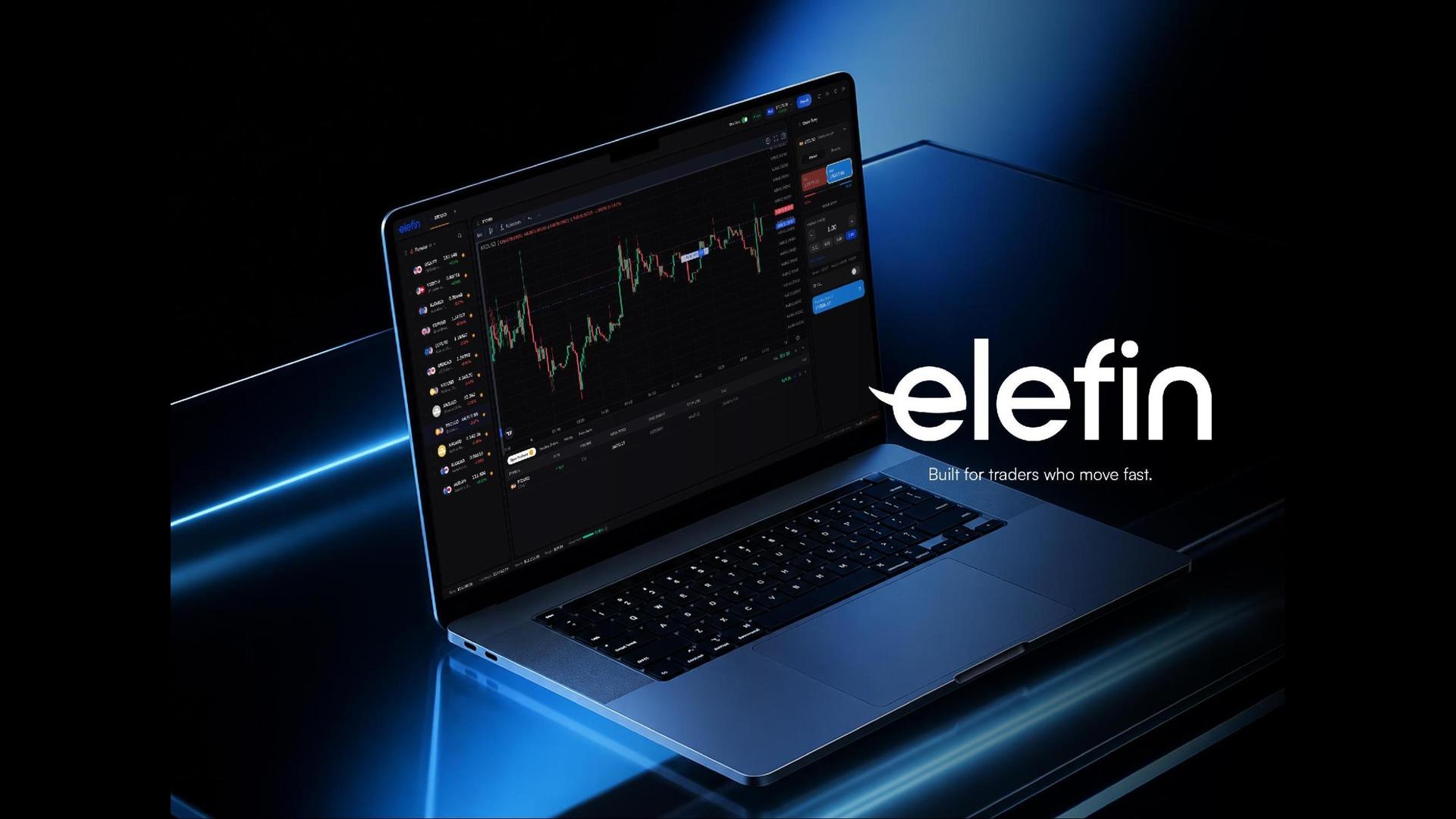

For years, serious trading meant sitting down at a desktop terminal, often a clunky, software-heavy setup that had to be installed, updated, and babysat just to place a trade. Traders kept a dedicated machine for it, treated updates like a chore to be scheduled around, and accepted that if they weren't at that desk, they simply weren't trading. That era is fading fast, and we built Elefin specifically around what comes next: fully web-based trading that removes the desktop altogether.
Why We Went Web-First
We started with a simple premise: traders shouldn't need to install anything, maintain anything, or be tied to a single machine just to access the markets. Instead of building another downloadable terminal, we developed a fully browser-based platform that traders can log into from any device, with no installation and no updates to manage. That decision shaped everything else about how the platform was designed, from how quickly it loads to how it handles switching between devices mid-trade.
Log into a browser from a laptop, a work computer, or a phone, and the platform is right there. No downloads, no waiting on updates, no being locked out because you're not at your usual desk. For us, that was the starting point, not an added feature bolted on later.
What the Platform Offers
Elefin gives traders full access to forex, commodities, indices, precious metals, and cryptocurrencies, all directly through its web-based interface. Whether a trader is executing from a desktop at the office or checking positions from a phone between meetings, the experience stays consistent and fully synced, so a position opened on one device shows up exactly the same way on the next.
This matters because desktop platforms often require setup time and system resources that slow traders down exactly when speed matters most, during a fast-moving market. Our web-based platform is built to load instantly and update in real time, without the lag of a heavier installed application. In a market where seconds can matter, waiting for a program to open is not a small annoyance, it's a real cost, and it's one we specifically designed our architecture to remove.
For new traders in particular, this approach also lowers the barrier to entry significantly. There's no complicated installation process standing between signing up and placing a first trade, just a browser and an account. That difference alone changes who's able to get started, and how quickly.
Built for How People Actually Trade Today
Our approach reflects a broader shift in what traders expect from a platform. Fewer people want to be tied to one machine, one location, or one long installation process before they can start. More traders want to check a position on a laptop at home and pick up exactly where they left off on a phone later that day, without missing anything in between or needing a separate login for each device. That kind of continuity used to be the exception. We built it in as the default.
That's the gap we designed Elefin to close. Rather than treating web access as a lightweight alternative to a "real" desktop platform, we built our entire trading experience around the browser from the start, with the same depth of functionality traders would expect from installed software, minus the installation. Charting tools, order execution, and account management all live in the same browser session, updated in real time regardless of which device a trader happens to be using.
Where We're Headed
As desktop platforms continue to fade into the background across the trading industry, we're positioning Elefin around a simple bet: that traders want a platform that works anywhere, instantly, without asking them to manage software on top of managing their trades. That shift also changes who gets to participate. A trader who used to be effectively offline while commuting, sitting in a meeting, or away from their desktop can now stay engaged with the market the whole time, checking positions and reacting to news the same way they'd check an email.
For a company built around accessibility and speed, that bet lines up directly with what we've been building toward since day one, a trading platform that meets traders wherever they happen to be, on whatever device they happen to be holding.