French bond yields hit 2002 highs: What it means for the Euro


Sovereign bond markets across the Eurozone faced renewed selling pressure on Thursday, with benchmark French 10-year yields jumping 12 basis points to 5.13%—a level not seen since 2002. The widening yield gap between Paris and Berlin underscores growing investor unease over fiscal sustainability, mounting public debt burdens, and escalating domestic social unrest fueled by the elevated cost of living.
European Bond Rout Deepens: French 10-Year Yields Hit 2002 Highs Amid Fiscal and Political Turbulence
The OAT-Bund spread expanded by 15 basis points to 174 basis points, reaching its widest level since the 2011 Eurozone sovereign debt crisis. Italian BTPs followed suit, with their yield premium over German equivalents widening by 11 basis points to 127 basis points. Street protests and assembly restrictions in key French metropolitan areas have added a tangible layer of political risk premium, challenging the government’s capacity to consolidate its budget deficit.
The surge in French sovereign yields to levels not seen in two decades reflects deeper structural anxieties than mere headline volatility, putting fiscal discipline directly under investor scrutiny. While systemic firewalls remain stronger than during previous crises, lingering political uncertainty and widening spreads will continue to weigh on the euro across key crosses.
- Market Analysts at FXMAG
Institutional Stance and Market Resiliency
Despite levels reminiscent of past European debt strains, central bank veterans have moved to temper market panic. Former European Central Bank President Mario Draghi noted that recent sovereign spread widening has not turned disorderly, suggesting that emergency intervention mechanisms remain unnecessary at this stage.
Institutional investors also highlight fundamental differences compared to previous European debt crises:
- Enhanced Safety Nets: The Eurozone now operates with established liquidity facilities and crisis-prevention frameworks, including the ECB's Transmission Protection Instrument (TPI).
- Banking Sector Health: French and periphery banking balance sheets show strong capitalization and negligible signs of systemic contagion compared to the 2011 liquidity crunch.
- Risk Asset Reallocation: Money managers report rotation out of Continental paper into US Treasuries and UK Gilts, driven by broader risk-off flows tied to elevated oil prices and capital-expenditure debates in global tech equities.
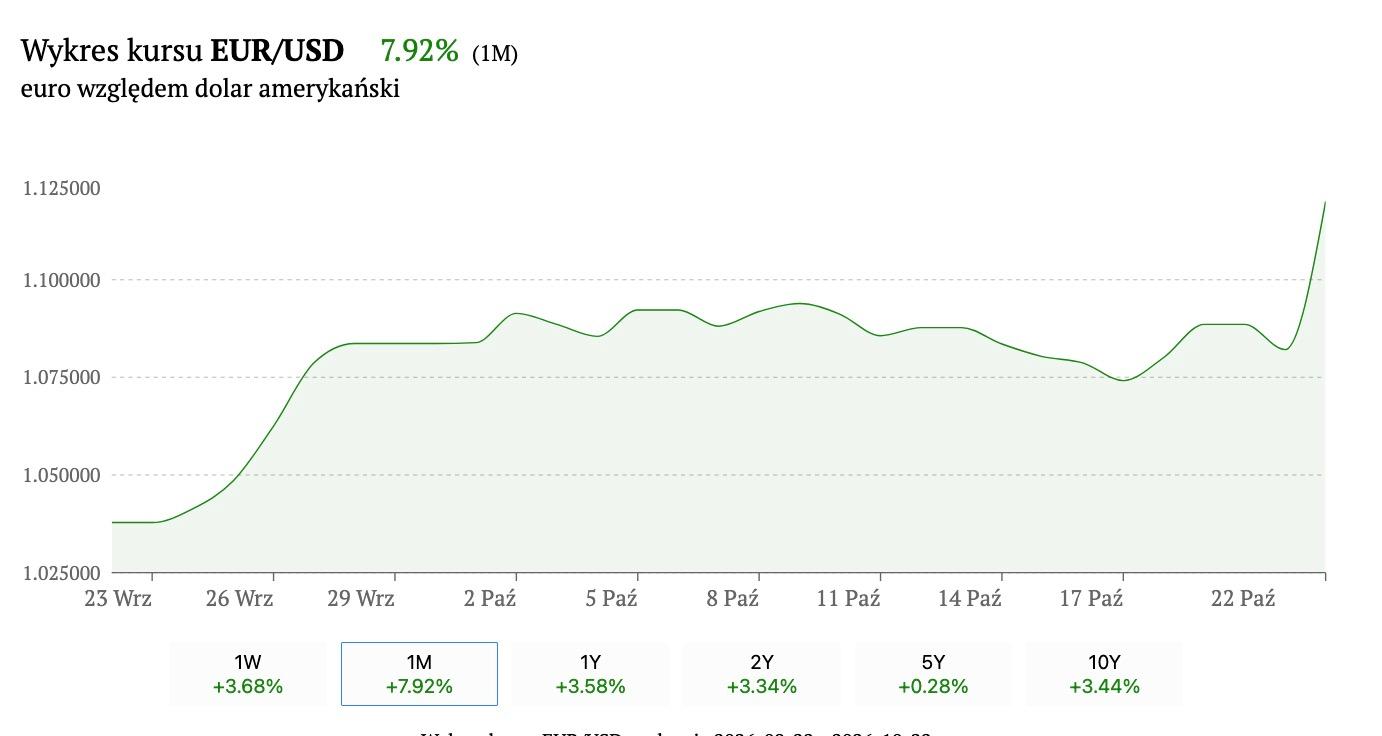
FX Implications and Regional Spillovers
The fiscal jitters surrounding Core Europe have kept the single currency volatile across key crosses. While headline focus remains on the euro's performance against major reserve currencies, the ripple effects are increasingly felt across Central and Eastern European (CEE) foreign exchange markets.
Currency strategists note that sustained divergence in sovereign risk premiums directly shapes capital flows in regional pairs. In its latest institutional market overview, financial portal FXMAG highlighted that broader European monetary crosswinds are shifting the technical landscape across Emerging European currencies, pointing to structural resilience in regional assets as outlined in their recent market analysis on European sovereign debt and FX projections.
For international macro traders, whether current French yield levels present an attractive entry point or signal prolonged fiscal drag will depend on Paris’s upcoming parliamentary debates and the ECB's comfort with yield dispersion heading into the next policy meetings.
About FXMAG.com
FXMAG is a global financial news platform delivering real-time market data, in-depth forex analysis, and macroeconomic insights. Designed for retail and institutional traders, FXMAG provides the essential tools and daily coverage needed to make data-driven investment decisions.