|

White House aides draft proposal to impose tariffs of around 20% on most imports to US – WaPo
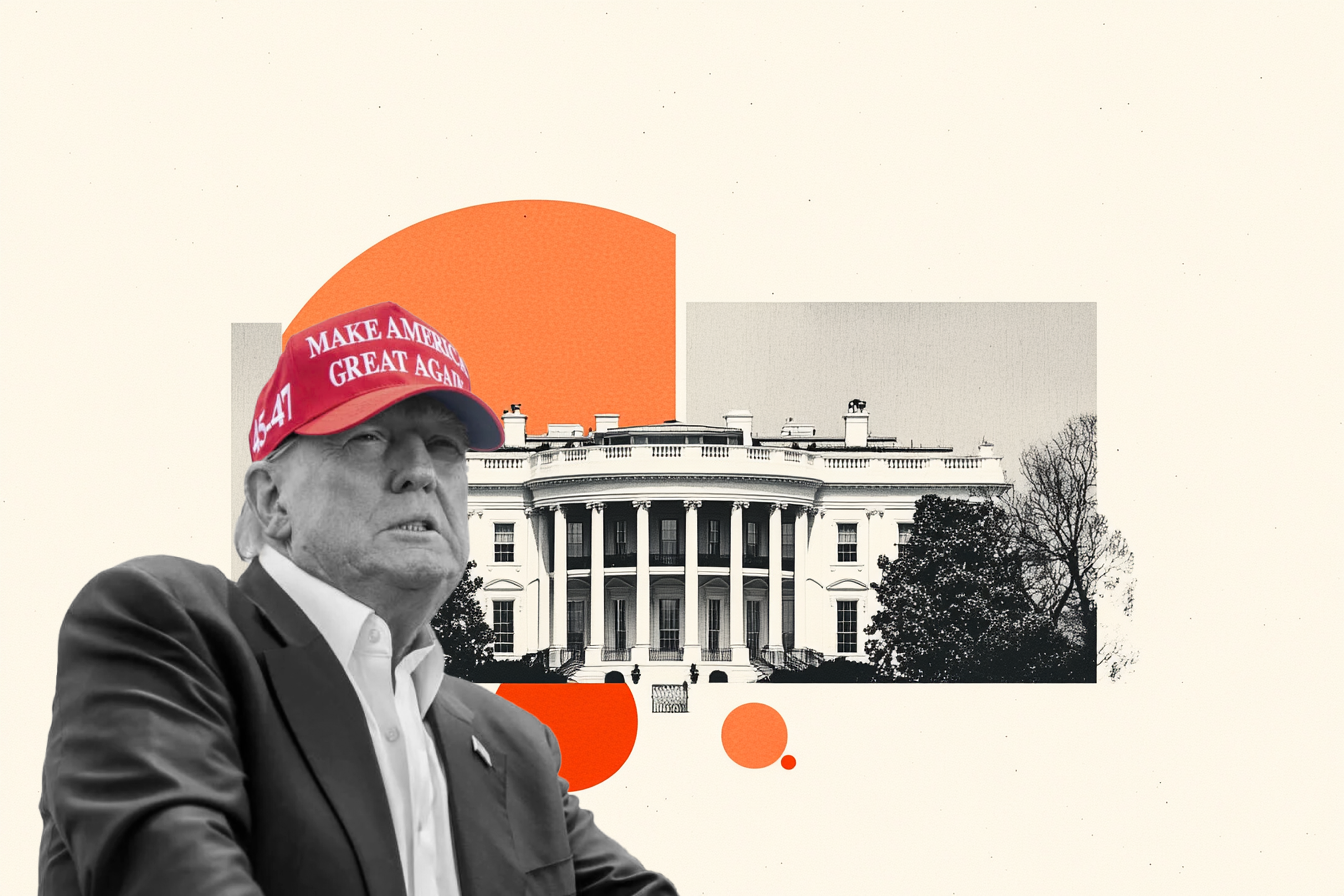
Citing sources familiar with the matter, the Washington Post reported on Tuesday that White House aides have drafted a proposal to impose tariffs of around 20% on most imports to the United States, per Reuters.

"US President Donald Trump's team is mulling using trillions of dollars in new import revenue for a tax dividend or refund," Reuters notes.

Market reaction

This headline doesn't seem to be having a noticeable impact on the US Dollar's (USD) performance against its major rivals. At the time of press, the USD Index was virtually unchanged on the day at 104.16.

Tariffs FAQs

Tariffs are customs duties levied on certain merchandise imports or a category of products. Tariffs are designed to help local producers and manufacturers be more competitive in the market by providing a price advantage over similar goods that can be imported. Tariffs are widely used as tools of protectionism, along with trade barriers and import quotas.

Although tariffs and taxes both generate government revenue to fund public goods and services, they have several distinctions. Tariffs are prepaid at the port of entry, while taxes are paid at the time of purchase. Taxes are imposed on individual taxpayers and businesses, while tariffs are paid by importers.

There are two schools of thought among economists regarding the usage of tariffs. While some argue that tariffs are necessary to protect domestic industries and address trade imbalances, others see them as a harmful tool that could potentially drive prices higher over the long term and lead to a damaging trade war by encouraging tit-for-tat tariffs.

During the run-up to the presidential election in November 2024, Donald Trump made it clear that he intends to use tariffs to support the US economy and American producers. In 2024, Mexico, China and Canada accounted for 42% of total US imports. In this period, Mexico stood out as the top exporter with $466.6 billion, according to the US Census Bureau. Hence, Trump wants to focus on these three nations when imposing tariffs. He also plans to use the revenue generated through tariffs to lower personal income taxes.

BRANDED CONTENT

Finding the right broker for your trading strategy is essential, especially when specific features make all the difference. Explore our selection of top brokers, each offering unique advantages to match your needs.

Author

Eren Sengezer

As an economist at heart, Eren Sengezer specializes in the assessment of the short-term and long-term impacts of macroeconomic data, central bank policies and political developments on financial assets.


More from Eren Sengezer
Share:

Editor's Picks

AUD/USD bounces off nearly two-month low; upside seems limited

AUD/USD rebounds from its lowest level since April 13, touched during the Asian session on Monday, as the US Dollar pauses following Friday's upbeat US NFP-led blowout rally to a two-month high. However, persistent geopolitical uncertainties, along with surging bets on Fed rate hikes, might continue to act as a tailwind for the USD. Furthermore, diminishing odds of a near-term RBA rate hike should cap gains for the Aussie.

USD/JPY bulls seem hesitant amid intervention fears

USD/JPY touches a fresh high since late April following an Asian session dip, though intervention fears limit losses for the Japanese Yen (JPY) and cap the upside. This counters Japan’s revised GDP print, which confirmed that the economy lost momentum in the first quarter. Meanwhile, Friday's upbeat US NFP report lifted bets of a Fed rate hike and favors the US Dollar bulls, backing the case for a further move higher for the currency pair.

Gold recovers slightly from the $4,300 neighborhood; not out of the woods yet

Gold attracts some buyers at the start of a new week and reverses part of Friday's decline to its lowest since March 24, around the $4,300 mark. The US Dollar pauses after Friday’s upbeat US NFP-led blowout rally to a two-month high and supports the bullion. However, a surge in bets on a Fed rate hike, along with geopolitical uncertainties, favors USD bulls. The backs the case for the emergence of fresh sellers around the precious metal at higher levels.

Week ahead: Fed countdown begins amid US inflation data and geopolitical risks
The countdown to the biggest event of the year so far, the first Fed meeting under Chair Warsh on June 17, has officially commenced. Next week’s key events could serve as the best appetizer for Warsh’s first press conference, although market participants will probably be distracted by developments elsewhere.
Week ahead – Fed countdown begins amid US inflation data and geopolitical risks

Fed Chair Warsh’s first meeting approaches as key US inflation data could reshape expectations. Oil prices remain elevated as US-Iran talks continue; tariffs also return to the spotlight. ECB is expected to hike; will it be a one-off move or is July live?

The US economy defies the rules: 100 days into the Oil shock and the recession signal is still missing

More than three months after the start of the Iran war and the resulting disruption to global energy markets, the US economy continues to display remarkable resilience. The conflict has triggered a sharp rise in Oil prices, reignited inflationary pressures and fueled widespread concerns about a potential economic slowdown.