What is keeping the US Dollar supported as front-end rates and ISM expectations point higher?
The US Dollar (USD), as measured by the US Dollar Index (DXY), is showing signs of floor-building following a volatile month, as the heavy hedging pressure triggered by a dovish reading of the July Federal Open Market Committee (FOMC) meeting subsides. Although a sharp Japanese Yen (JPY) appreciation temporarily disrupted broad USD momentum, the Greenback has stabilized against key counterparties including the Euro (EUR), Mexican Peso (MXN), and Canadian Dollar (CAD). With upcoming economic data such as the ISM services index expected to remain expansionary at 54.1 and the Federal Reserve (Fed) maintaining a hawkish stance toward interest rates, institutional strategists are evaluating whether the USD is set for range-bound consolidation or a tactical resumption of its upward trend.
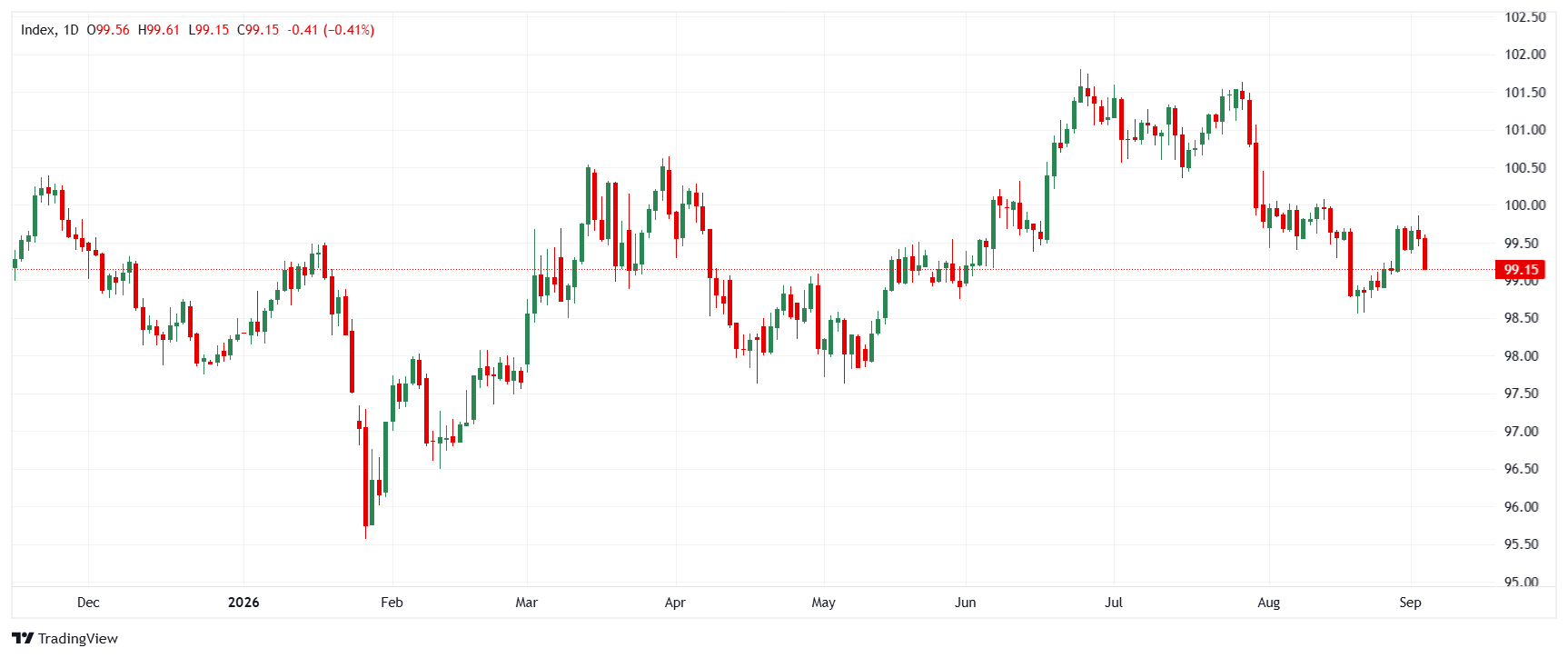
Post-FOMC Dollar hedging fades as Fed rate hike signal stabilizes flows
According to Geoff Yu at BNY, the wave of Dollar hedging that followed the dovish interpretation of the July FOMC meeting has drawn to a close. As investors stop adding to hedge positions and adjust to a Fed committed to further tightening, the Greenback is finding a stable baseline against major trading partners.
"Our flows are showing the first signs of dollar stabilization after a difficult August... The Fed’s signal that it’s willing to continue rate hikes removes the main driver for dollar sales in early August... We expect dollar holdings to stabilize around current levels now that Fed expectations have adjusted. There are idiosyncratic reasons for markets to avoid adding to MXN, CAD and EUR aggressively..."
Front-end rates and ISM expectations maintain upside bias for USD
Taking a pro-USD stance, Francesco Pesole, Frantisek Taborsky, and Chris Turner at ING argue that front-end interest rates and elevated energy prices continue to favor the Greenback. While Yen volatility caused short-term disruptions, resilient US services activity keeps the threshold for a dovish Fed pivot exceptionally high.
"We retain a preference for the upside in the dollar, as front-end rates and higher energy prices both point up... Today, the ISM services report is in focus, and expected to flatten at 54.1. The bar to drive the Fed away from a September hike looks fairly high, especially for second-tier data."
Based on the combined perspective from both institutions, the US Dollar is transitioning from an August period of heavy hedging pressure into a more stabilized, two-sided environment. While BNY projects that USD holdings will consolidate near current levels unless real-rate leadership and US asset demand accelerate, ING maintains an upside bias for the currency, arguing that solid economic fundamentals and firm front-end yields will keep greenback demand well-supported into the upcoming Fed meeting.
(This article was created with the help of an Artificial Intelligence tool and reviewed by an editor. Know more.)
Author

FXStreet Insights Team
FXStreet
The FXStreet Insights Team is a group of journalists that handpicks selected market observations published by renowned experts. The content includes notes by commercial as well as additional insights by internal and external analysts.
















