|

Turkish Lira: Political stress and energy shock drive weaker Lira – MUFG
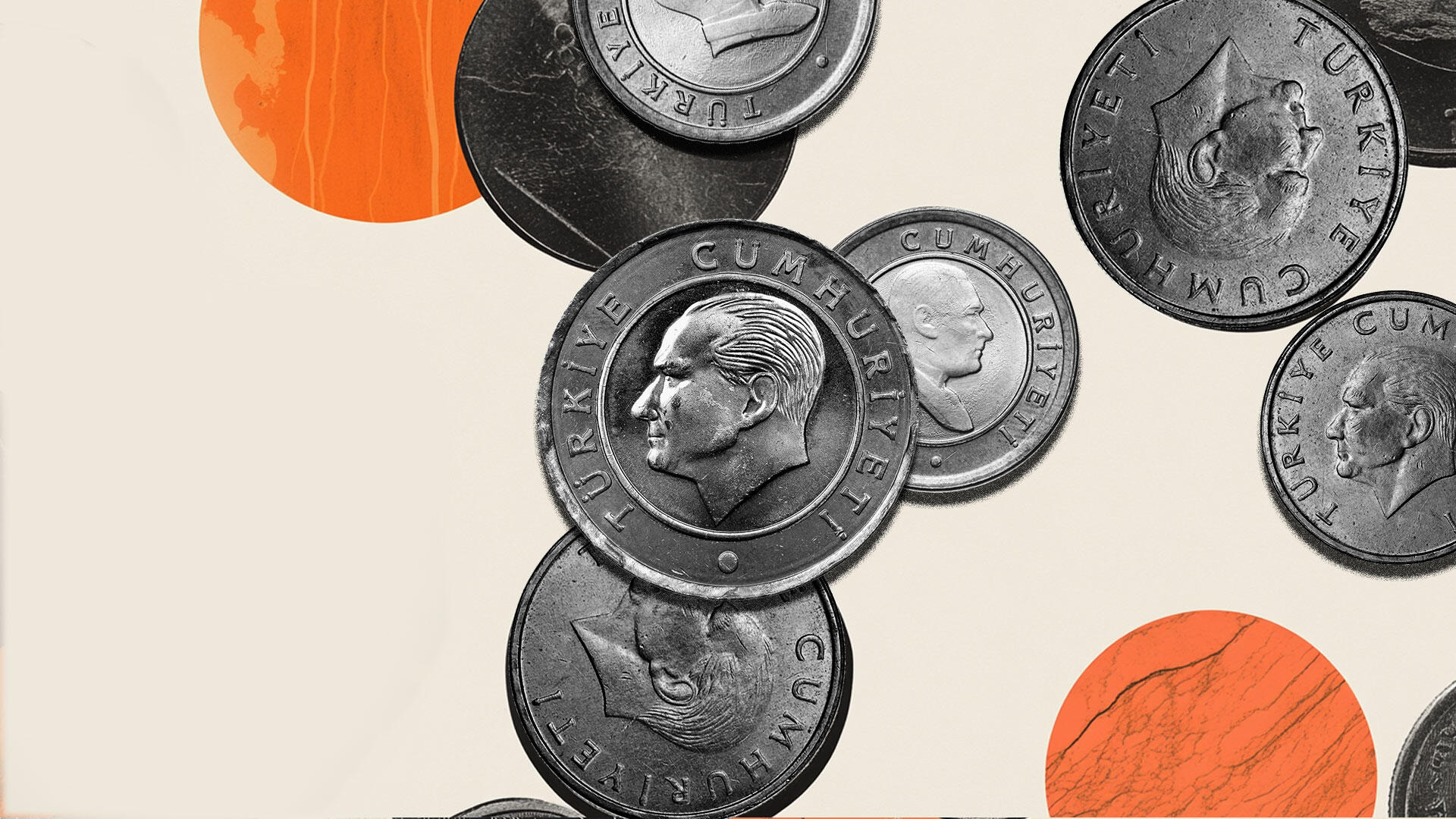
MUFG analysts see growing downside risks for the Turkish Lira (TRY) versus the US Dollar (USD) as domestic politics and an energy-driven terms-of-trade shock strain Turkey’s external position. With limited FX reserve ammunition and rising geopolitical uncertainty, they now judge upside risks to their USD/TRY forecasts, flagging the possibility of faster depreciation or even a larger one-off devaluation.

TRY vulnerability rising on multiple fronts

"The pace of TRY depreciation has accelerated in recent months following the outbreak of military conflict between Iran and the US in late February."

"After the sharp drawdown in March, reserves had stabilised over the past month until the latest adverse political developments in Turkey last week."

"The CBRT has less ammunition to support the TRY through reserves on this occasion."

"If pressure on the TRY continues to build driven by a combination of adverse domestic political developments and the risk of an intensifying Middle East conflict and energy price shock, it could trigger a sharper sell-off as Turkey’s reserves are depleted."

"In light of these developments, we judge that upside risks have increased to our current forecasts for USD/TRY to rise up to 50.500 by year end."

(This article was created with the help of an Artificial Intelligence tool and reviewed by an editor.)

Author

FXStreet Insights Team

The FXStreet Insights Team is a group of journalists that handpicks selected market observations published by renowned experts. The content includes notes by commercial as well as additional insights by internal and external analysts.


More from FXStreet Insights Team
Share:

Editor's Picks

GBP/USD revisits 1.3530; Dollar pushes harder

GBP/USD adds to the weekly correction and recedes toward the 1.3530 zone on Friday. Indeed, Cable faces increasing selling pressure on the back of extra gains in the Greenback, particularly fuelled by Chair Warsh’s speech at the Jackson Hole Symposium and the US NFP Annual Revision (-79K).

EUR/USD breaches below 1.1600, multi-day lows

EUR/USD now accelerates its decline and retreats to seven-day troughs in the sub-1.1600 region at the end of the week. The pair’s pullback comes on the back of the strong rebound in the US Dollar after Chair Warsh delivered a hawkish message in Jackson Hole, while the US NFP Annual Revision came in at -79K.

Gold challenges its 200-day SMA near $4,530

Gold’s decline gathers fresh steam, hitting weekly lows while disputing its critical 200-day SMA near $4,530 per troy ounce. The yellow metal’s increasing weakness comes in response to the generalised upbeat tone in the US Dollar and the widespread rebound in US Treasury yields, as investors continue to reprice a Fed rate hike in September.

Week ahead: RBNZ and BoC decide on rates ahead of all-important US NFP
The US dollar staged a modest recovery this week, perhaps as traders decided to cover some of their short positions amid slightly stickier or in-line US PCE inflation numbers for July, confounding expectations of softer prints amid the softness revealed in the CPI data for the month.
CFTC Report: CAD short covering leads; Gold buying surges
The week in one sentence: speculative positioning shifted more constructively in the week to August 25. CAD short covering led the move, followed by a broad reduction in EUR shorts and renewed Gold buying. GBP and VIX positioning also improved, while JPY positioning deteriorated and WTI flows diverged from weaker prices.
Diesel’s record $100 warning: The oil shock hiding in plain sight

The Oil market may look calmer than it did a few months ago, but diesel is sending a very different message. The US diesel crack spread, the premium of ultra-low sulphur diesel futures over WTI, recently surged above $100 per barrel for the first time, reaching an intraday record of just over $102.00.