Silver drops below $65 as hawkish Fed bets weigh on XAG/USD
- Silver falls more than 2.5% on Tuesday and trades around $64.85, below the key $65.50 area.
- Expectations of potential monetary tightening in the United States weigh on precious metals.
- Investors await US manufacturing and employment data before placing fresh directional bets.
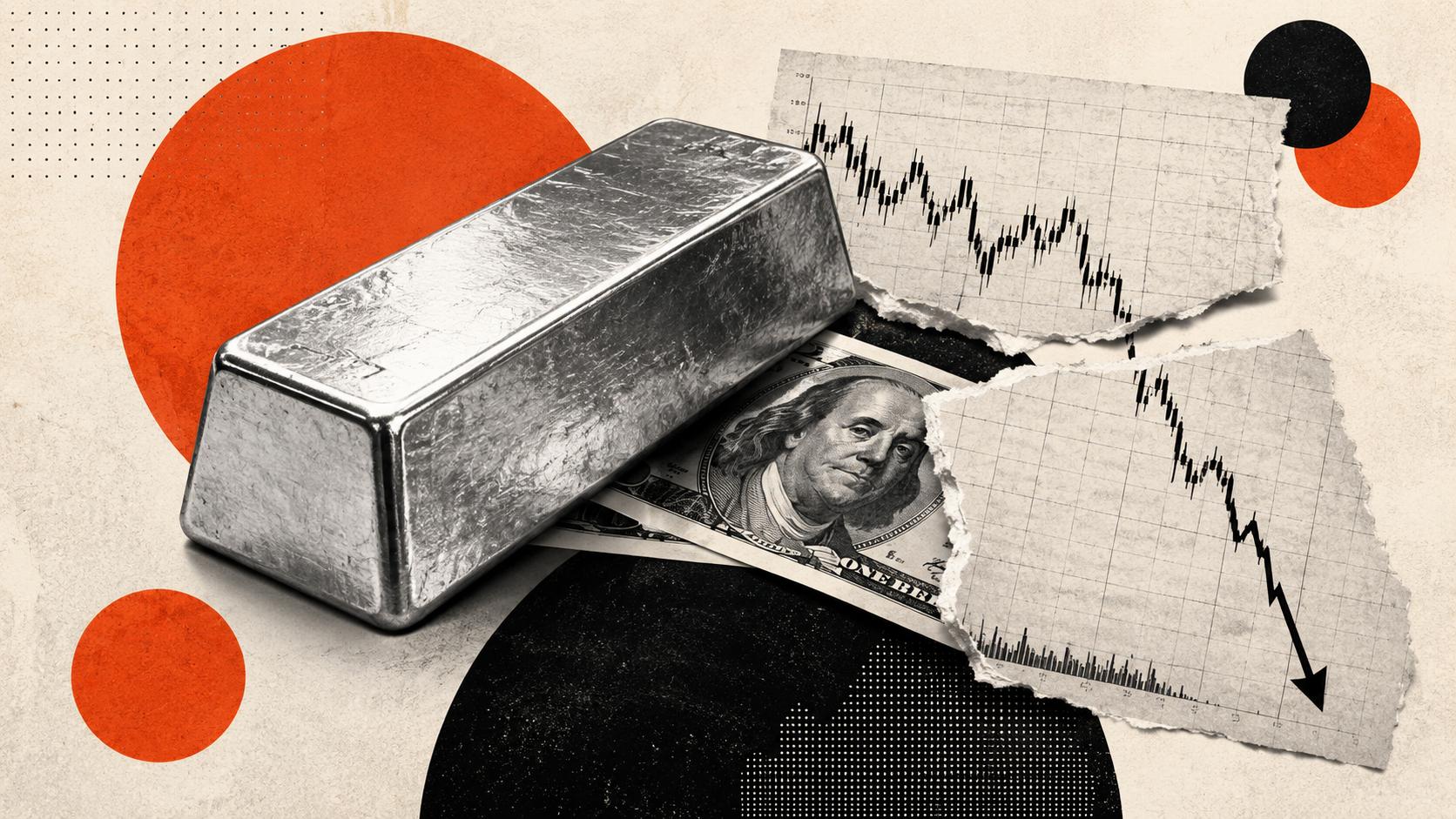
Silver (XAG/USD) extends its decline on Tuesday, trading around $64.85 at the time of writing, down 2.54% on the day. The white metal slips below the key $65.50 area as prospects of tighter US monetary policy continue to weigh on precious metals.
Expectations surrounding the Federal Reserve (Fed) have shifted significantly following Chair Kevin Warsh’s hawkish comments at the Jackson Hole Symposium on Friday. The US central bank chief indicated that interest rates may need to rise if inflation fails to slow sufficiently, increasing pressure on non-yielding assets such as Silver.
Rising energy prices add to inflation concerns. Tensions in the Middle East support Oil prices and fuel the risk of renewed price pressures, a scenario that could strengthen the case for a more restrictive Fed monetary policy.
According to the CME Group FedWatch Tool, markets now see more than a 65% chance of an interest rate hike at the September 15-16 meeting. These expectations also help support the US Dollar (USD), creating an additional headwind for Silver.
Investors, however, remain cautious ahead of several US macroeconomic releases that could reshape these expectations. The Institute for Supply Management (ISM) releases its Manufacturing Purchasing Managers Index (PMI) for August on Tuesday, while the Job Openings and Labor Turnover Survey (JOLTS) report is expected to provide fresh insights into US labor demand.
Attention will then turn to the Nonfarm Payrolls (NFP) report on Friday. The employment figures are likely to play an important role in shaping expectations for the Fed’s policy path ahead of its September meeting. Strong data could reinforce monetary tightening expectations and keep Silver under pressure, while clearer signs of labor market weakness could temper hawkish Fed bets.
Silver FAQs
Silver is a precious metal highly traded among investors. It has been historically used as a store of value and a medium of exchange. Although less popular than Gold, traders may turn to Silver to diversify their investment portfolio, for its intrinsic value or as a potential hedge during high-inflation periods. Investors can buy physical Silver, in coins or in bars, or trade it through vehicles such as Exchange Traded Funds, which track its price on international markets.
Silver prices can move due to a wide range of factors. Geopolitical instability or fears of a deep recession can make Silver price escalate due to its safe-haven status, although to a lesser extent than Gold's. As a yieldless asset, Silver tends to rise with lower interest rates. Its moves also depend on how the US Dollar (USD) behaves as the asset is priced in dollars (XAG/USD). A strong Dollar tends to keep the price of Silver at bay, whereas a weaker Dollar is likely to propel prices up. Other factors such as investment demand, mining supply – Silver is much more abundant than Gold – and recycling rates can also affect prices.
Silver is widely used in industry, particularly in sectors such as electronics or solar energy, as it has one of the highest electric conductivity of all metals – more than Copper and Gold. A surge in demand can increase prices, while a decline tends to lower them. Dynamics in the US, Chinese and Indian economies can also contribute to price swings: for the US and particularly China, their big industrial sectors use Silver in various processes; in India, consumers’ demand for the precious metal for jewellery also plays a key role in setting prices.
Silver prices tend to follow Gold's moves. When Gold prices rise, Silver typically follows suit, as their status as safe-haven assets is similar. The Gold/Silver ratio, which shows the number of ounces of Silver needed to equal the value of one ounce of Gold, may help to determine the relative valuation between both metals. Some investors may consider a high ratio as an indicator that Silver is undervalued, or Gold is overvalued. On the contrary, a low ratio might suggest that Gold is undervalued relative to Silver.
Author

Ghiles Guezout
FXStreet
Ghiles Guezout is a Market Analyst with a strong background in stock market investments, trading, and cryptocurrencies. He combines fundamental and technical analysis skills to identify market opportunities.

















