Middle East War updates: Trump says US-Iran peace deal ‘isn’t even fully negotiated yet’
Here’s a brief recap of the key developments in the Middle East war that occurred over the weekend, which are expected to have a significant impact on markets in the upcoming week.
- Axios reported late Saturday, citing a US official, that the United States (US and Iran are close to signing an agreement that involves a 60-day ceasefire extension during which the Strait of Hormuz would be reopened, Iran would agree to clear mines it deployed in the waterway and allow ships to pass freely. In exchange, the US would lift its blockade on Iranian ports.
- The Axios report also added that “The US official said it would not be a ‘one-sided ceasefire’ and if Hezbollah tried to rearm or instigate attacks, Israel would be allowed to take action to prevent it. ‘If Hezbollah behaves, Israel will behave.’”
- US Secretary of State Marco Rubio said on Sundaty: “We’re not kicking it till later. Nuclear talks are highly technical matters. You can’t do a nuclear thing in 72 hours on the back of a napkin.”
- “So right now, we have seven or eight countries in the region that are endorsing this approach, and we’re prepared to move forward on this approach,” Rubio added.
- Responding to the potential US-Iran peace deal, an Israeli official reported that Prime Minister Benjamin Netanyahu made it clear to Trump that Israel would not be constrained in responding to “all threats”, including across the border in Lebanon, per The NewYork Times.
- According to Reuters, citing news from Iran’s Tasnim news agency, the US government was still obstructing some clauses of the agreement to end the war, including the issue of releasing blocked Iranian assets.
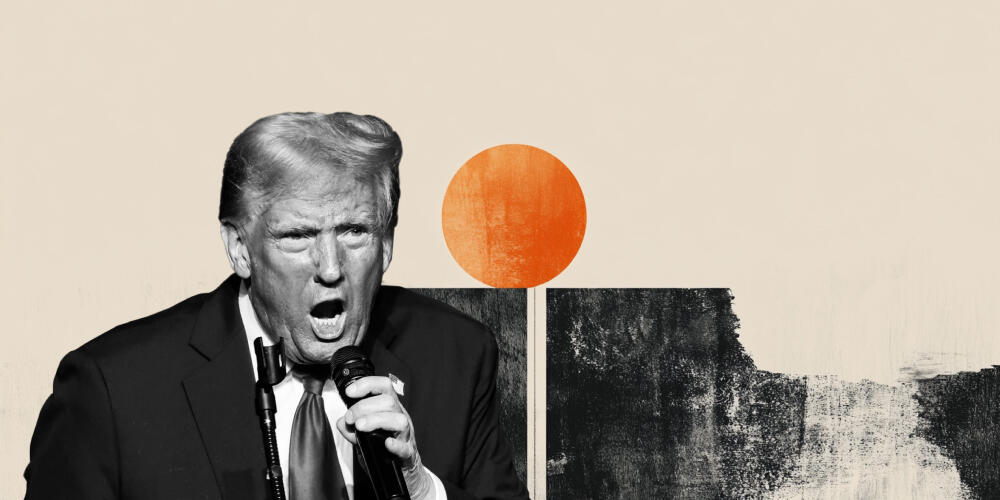
- US President Donald Trump wrote in a Truth Social post: “If I make a deal with Iran, it will be a good and proper one, not like the one made by Obama, which gave Iran massive amounts of CASH, and a clear and open path to a Nuclear Weapon.”
- “Our deal is the exact opposite, but nobody has seen it, or knows what it is. It isn’t even fully negotiated yet. So don’t listen to the losers, who are critical about something they know nothing about.” “Unlike those before me who should have solved this problem many years ago, I don’t make bad deals!”
- "Iran has indicated its reported understanding with the US to halt the regional war would include Lebanon," according to The Guardian.
Market implications
Sticking points remain between the countries, with the talks still going on, and no confirmation whether the US government’s military blockade will be lifted. Risk flows are in play at the weekly open on Monday, sending the US Dollar (USD) lower across the board.
Risk sentiment FAQs
In the world of financial jargon the two widely used terms “risk-on” and “risk off'' refer to the level of risk that investors are willing to stomach during the period referenced. In a “risk-on” market, investors are optimistic about the future and more willing to buy risky assets. In a “risk-off” market investors start to ‘play it safe’ because they are worried about the future, and therefore buy less risky assets that are more certain of bringing a return, even if it is relatively modest.
Typically, during periods of “risk-on”, stock markets will rise, most commodities – except Gold – will also gain in value, since they benefit from a positive growth outlook. The currencies of nations that are heavy commodity exporters strengthen because of increased demand, and Cryptocurrencies rise. In a “risk-off” market, Bonds go up – especially major government Bonds – Gold shines, and safe-haven currencies such as the Japanese Yen, Swiss Franc and US Dollar all benefit.
The Australian Dollar (AUD), the Canadian Dollar (CAD), the New Zealand Dollar (NZD) and minor FX like the Ruble (RUB) and the South African Rand (ZAR), all tend to rise in markets that are “risk-on”. This is because the economies of these currencies are heavily reliant on commodity exports for growth, and commodities tend to rise in price during risk-on periods. This is because investors foresee greater demand for raw materials in the future due to heightened economic activity.
The major currencies that tend to rise during periods of “risk-off” are the US Dollar (USD), the Japanese Yen (JPY) and the Swiss Franc (CHF). The US Dollar, because it is the world’s reserve currency, and because in times of crisis investors buy US government debt, which is seen as safe because the largest economy in the world is unlikely to default. The Yen, from increased demand for Japanese government bonds, because a high proportion are held by domestic investors who are unlikely to dump them – even in a crisis. The Swiss Franc, because strict Swiss banking laws offer investors enhanced capital protection.
Author

Dhwani Mehta
FXStreet
Residing in Mumbai (India), Dhwani is a Senior Analyst and Manager of the Asian session at FXStreet. She has over 10 years of experience in analyzing and covering the global financial markets, with specialization in Forex and commodities markets.