Memory and storage stocks are surging; here are 2 leaders to watch
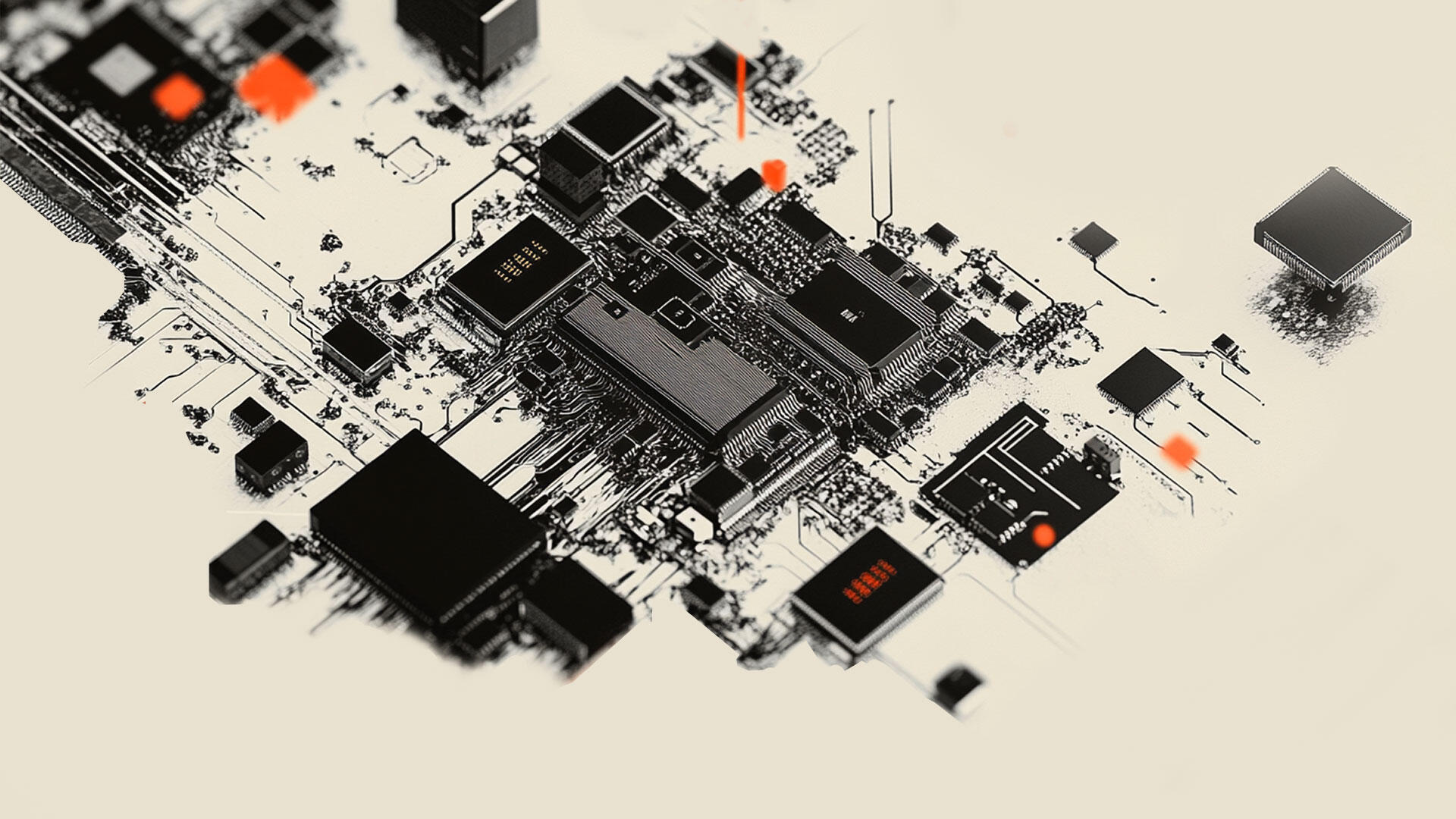
The artificial intelligence (AI) revolution has caused infrastructure stocks to rocket higher. Memory and storage are two critical components necessary for AI to function. These essential components are the picks and shovels of the AI gold rush. Here are 2 leaders in both the memory and storage space that investors can watch for pullback opportunities.
Micron Technology: The undervalued brainiac of AI
After surging more than 70% year-to-date (YTD), shares of Micron Technology Inc. (NASDAQ: MU) are still viewed as undervalued, trading at just 8.4X forward earnings. Shares were in the doldrums in early 2025 as Micron was a leading producer of dynamic random access memory (DRAM), a highly commoditized product. DRAM is working memory that stores data currently in use. High-bandwidth memory (HBM) stacks memory chips vertically rather than horizontally, as in DRAM. This creates exponentially more capacity, enabling it to move 1.2TB of data per second with its HBM3E.
Micron began mass producing their 24GB 8-High HBM3E in early 2024. They were essentially late bloomers in the AI boom, but HBM3E was hit, and supplies sold out quickly. The markets didn't fully appreciate the magnitude of the impact until mid-2025, as shares rose above $100. HBM3E proved to be more energy efficient, consuming 30% less power than its peers. This led Nvidia to adopt it and package it with its next-generation Blackwell GPUs, as Micron became the primary supplier. Demand skyrocketed, and all HBM capacity for 2026 was sold out. Their next-generation HBM4 ramps up capacity to over 2.8TB/s, with more than a 20% improvement in power efficiency over HBM3E. Mass production began in April 2026, as prices have risen by over 50%. Here’s the Sigmanomics forecast for MU stock.
Seagate Technology: Old school storage juggernaut
AI requires not only access but also storage of oceans of data. While HBM is used for working memory, NAND flash solid-state drives (SSDs) are used for storage, and 90% of the data is ultimately warehoused on hard disk drives (HDDs). While they are slower than SSDs, they are up to 6X cheaper per TB to store.
Seagate Technology Holdings PLC (NASDAQ: STX) is the world’s largest maker of HDDs. Their heat-assisted magnetic recording (HAMR) technology strengthens their moat, powering their Mozaic platform. Mozaic enables more storage per platter, over 4 TB, than any of its competitors. This enables AI data centers to more than double their storage capacity without requiring additional physical space. Seagate’s nearline drives are also sold out for 2026, as insatiable demand for storage shows no signs of slowing.
Keep an eye on capex spend with the hyperscalers
Both Micron and Seagate are key players in the buildout of AI infrastructure. Hyperscalers are some of their largest high margin customers. Therefore, it’s crucial to keep a close eye on their capital expenditure (capex) forecasts moving forward. The markets are especially sensitive to capex forecasts; any slowdown in spending growth can trigger a tidal wave of selling. Market climate is always a factor in stock pricing. Investors should keep their finger on the pulse with the Sigmanomics NASDAQ-100 forecast.
Author

Sigmanomics
Sigmanomics
Sigmanomics is a financial intelligence platform that delivers expert insights, data-driven analysis, and real-time trading signals across global markets.














