|

Japanese Yen: Dovish BoJ hike keeps Yen vulnerable – ING
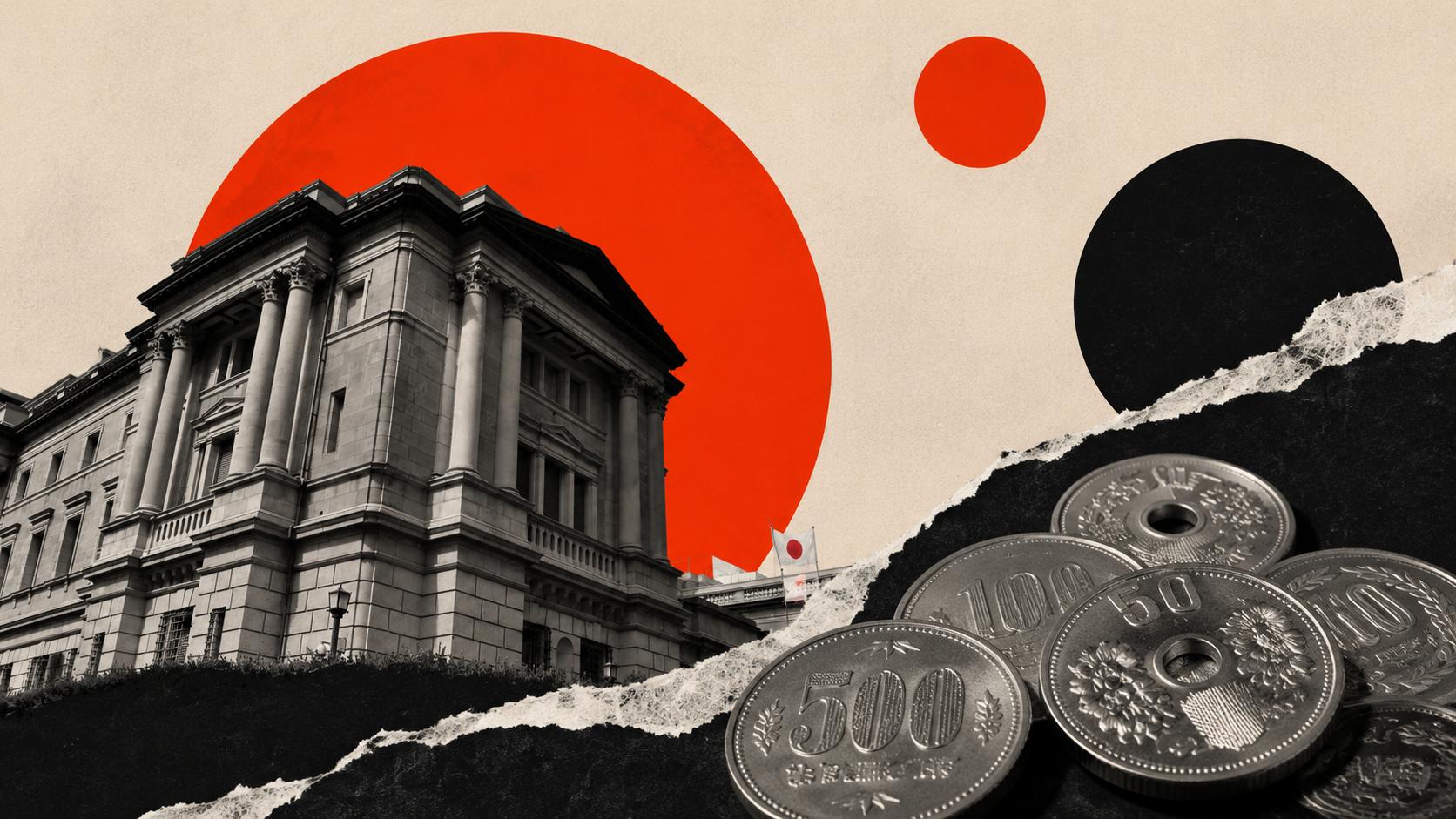
ING’s Frantisek Taborsky reports that the Bank of Japan delivered a 25bp hike to 1.25% in a split decision, acknowledging persistent inflation risks but with notable dissent. The Yen weakened after the dovish statement, and ING continues to see upside risks for USD/JPY, with a move towards 157–160 possible in coming weeks if elevated Oil prices persist and the Federal Reserve hikes again.

Dovish BoJ and Fed support Dollar

"The Bank of Japan has raised its key rate by 25bp to 1.25% in a split vote, with Toichiro Asada and Ayano Sato dissenting. Japan’s core inflation measure remained above 2% throughout 2025, and the BoJ expects inflation to stay above target in the coming years. The decision therefore acknowledges persistent upside inflation risks."

"However, Friday’s data showed inflation easing slightly in August, partly because of subsidy-related distortions. The two dissenting board members, appointed by Prime Minister Sanae Takaichi, argued that without a renewed pick-up in inflation, a rate hike at this meeting was unnecessary. Their dissent could make it harder for the board to reach consensus on another hike this year."

"The yen weakened to 157.11 against the dollar, around one yen above its pre-decision level, as the statement offered little additional hawkish guidance to support bullish JPY positions. The dissent from Asada and Sato points to resistance against the fastest pace of rate increases in more than three decades and suggests they may increasingly act as a brake on further tightening."

"Today’s dovish surprise also underscores the high bar set by the Fed this week. We continue to see upside risks for USD/JPY, with a move back towards 157-160 possible in the coming weeks if oil prices remain elevated and the Fed hikes again as early as October."

(This article was created with the help of an Artificial Intelligence tool and reviewed by an editor. Know more.)

Author

FXStreet Insights Team

The FXStreet Insights Team is a group of journalists that handpicks selected market observations published by renowned experts. The content includes notes by commercial as well as additional insights by internal and external analysts.


More from FXStreet Insights Team
Share:

Editor's Picks

AUD/USD bulls seem hesitant below 0.7050 ahead of RBA on Tuesday

AUD/USD reverses an Asian session dip on Monday as renewed optimism over Iran diplomacy boosts investor confidence, keeping a lid on the safe-haven US Dollar and supporting the risk-sensitive Aussie. Spot prices, however, remain below the one-month high, touched last Thursday, as bulls wait for the crucial RBA decision before taking fresh positions.


USD/JPY climbs to 158.00 neighborhood as BoJ uncertainty weighs on the JPY

The USD/JPY pair gains some positive traction at the start of a new week, recovering further from Friday's post-Bank of Japan (BoJ) swing low to sub-157.00 levels. The momentum lifts spot prices to the 158.00 neighborhood during the Asian session and seems unaffected by fresh intervention warning from Japan's Finance Minister Satsuki Katayama.

Gold finds relief from Oil’s decline as traders await key US economic data

Gold retains a positive bias during American trading hours on Monday after sliding to a fresh yearly low of $3,870 on Friday and ending October down 6.87%. A pullback in Oil prices amid diplomatic efforts between the US and Iran supports the precious metal. However, the rebound lacks conviction as the fundamental backdrop continues to raise doubts over a sustained recovery.

Dogecoin risks deeper slide as whales diverge

Dogecoin hovers around $0.075 on Monday after falling for the fifth consecutive week since the end of September. Santiment data shows diverging whale activity, as large holders reduce their positions while smaller whale wallets accumulate tokens. Meanwhile, weakening on-chain metrics and a deteriorating technical outlook suggest that DOGE could remain vulnerable to further losses.

Why strong US growth could not stop the bond rally and AI selloff

The US economy grew at a 3.4% annual rate, yet Treasury yields fell and the Nasdaq ended October with its worst monthly performance since March 2025. The market is no longer rewarding capital expenditure simply because it supports growth. Investors are testing whether that expenditure can produce cash flow and returns above the cost of capital.


The 2% inflation target came from a throwaway remark. It now moves trillions
The Federal Reserve's 2% inflation goal grew out of an off-the-cuff remark by a New Zealand politician in 1988. Bond investors still price long-term US debt as if 2% holds, so a change in how the Fed measures inflation would move markets.















