|

Indonesian Rupiah: Supported by ratings yet constrained against US Dollar – OCBC
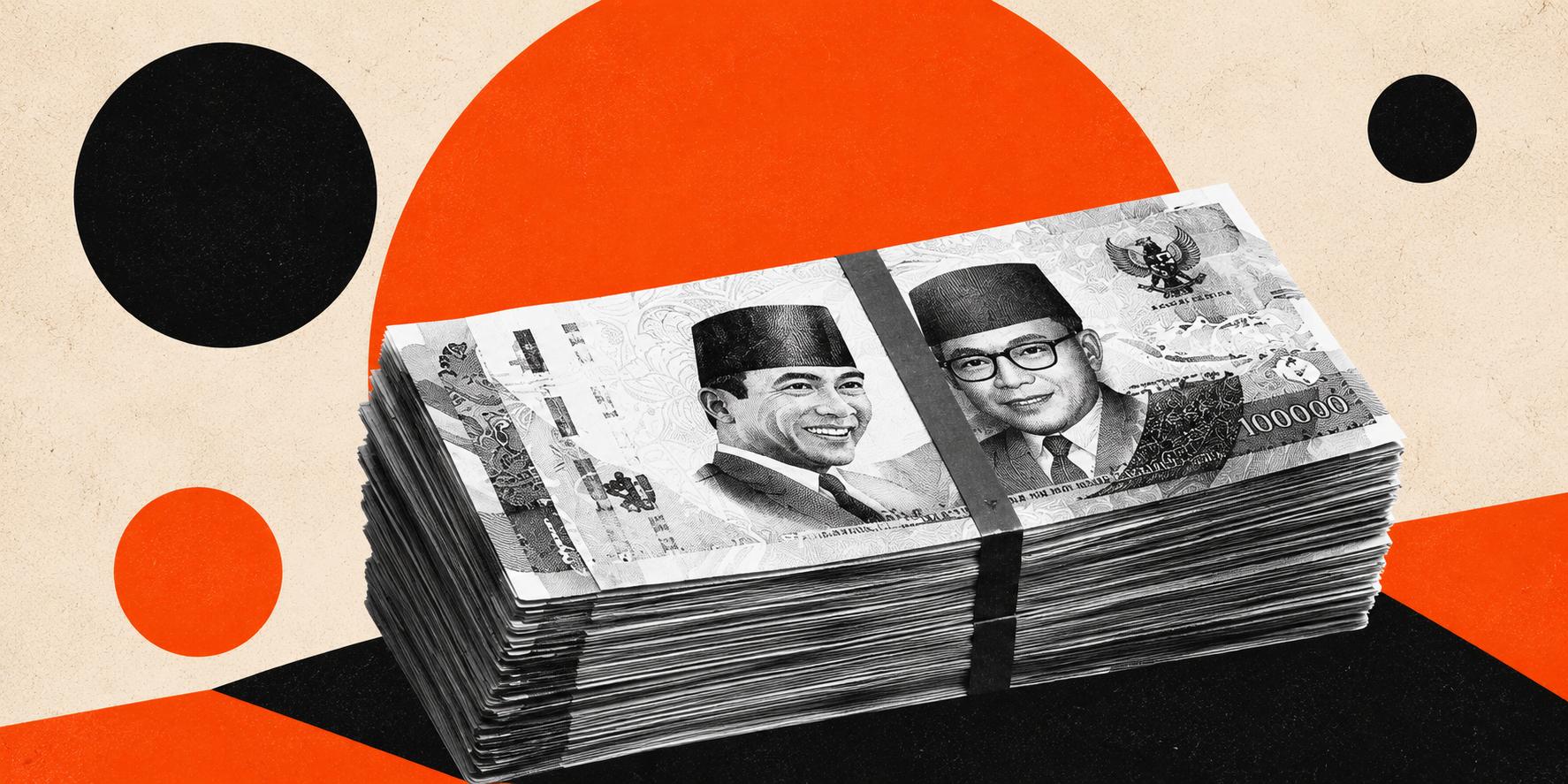
OCBC strategists Sim Moh Siong and Christopher Wong note that S&P’s affirmation of Indonesia’s BBB/A-2 ratings with a stable outlook is mildly supportive for the Indonesian Rupiah (IDR) by removing immediate downgrade risk. However, they caution that IDR gains may be limited without clearer fiscal consolidation and better capital flows, while the recent rebound in Oil prices could weigh via higher import costs, inflation and subsidy burdens. USD/IDR trades near 18,105.

Rating relief but oil caps upside

"IDR may find some relief from S&P’s rating affirmation, but the recent oil spike may still limit the extent of IDR gains."

"S&P’s affirmation of Indonesia’s BBB/A-2 ratings with a stable outlook is mildly supportive for the IDR, as it removes an immediate sovereign downgrade risk and signals that recent fiscal and external strains are temporary and manageable."

"However, the impact may be limited unless this is followed by clearer fiscal consolidation and a sustained improvement in capital flows."

"Elsewhere, the recent rebound in oil prices may also limit IDR gains, given the potential impact on Indonesia’s import bill, inflation and fuel-subsidy costs as well as via the sentiments channel."

"USD/IDR last closed at 18105 levels. Mild bullish momentum on daily chart intact while RSI is near overbought conditions. Resistance at 18190 (previous high). Support at 18000, 17910 (21 DMA)."

(This article was created with the help of an Artificial Intelligence tool and reviewed by an editor. Know more.)

Author

FXStreet Insights Team

The FXStreet Insights Team is a group of journalists that handpicks selected market observations published by renowned experts. The content includes notes by commercial as well as additional insights by internal and external analysts.


More from FXStreet Insights Team
Share:

Editor's Picks

AUD/USD remains depressed near 0.6950 after RBA minutes

AUD/USD attracts follow-through selling during Tuesday’s Asian session, looking to extend the overnight rejection slide from 0.7000, or a two-week top, following the release of RBA meeting Minutes. The US Dollar retains a bullish undertone near its highest level since April 2025 as energy-driven inflation risks keep December Fed rate hike bets firmly on the table. Adding to this, geopolitical risks further underpin the safe-haven USD.

USD/JPY extends retreat below 158.50 as intervention risks loom

USD/JPY is dropping below 158.50 in the Asian session on Tuesday, snapping a two-day winning streak and pulling back from an over two-week top touched the previous day, despite Japan's soft PPI inflation print. Bulls turn cautious amid speculation that authorities will step in to prop up the Japanese Yen, which, in turn, weighs on the pair.

Gold struggles above $4.150 amid geopolitical escalation

Gold struggles above $4,150 in the Asian session on Tuesday as elevated US Treasury yields and a hawkish Fed keep the US Dollar near its highest level since April 2025. Adding to this, persistent geopolitical uncertainties stemming from Middle East conflicts continue to underpin the safe-haven buck, which, in turn, is seen as weighing on the bullion. Traders now look to US inflation figures for some impetus ahead of Fed Chair Kevin Warsh's appearance on Friday.

Fed hold remains base case, September inflation surprise could push Dollar

The FOMC minutes read as hawkish last week, but they predate the soft September payrolls print and the modest inflation reads since then. We continue to think the Fed will hold rates this month, since we expect a moderate (i.e. 0.2% or less) monthly core print in this week's inflation report for September.

Earnings preview US and Europe: Can the stock market rally continue?
Stocks have been remarkably resilient this year. They have navigated geopolitical turmoil, an energy price spike and surging global bond yields which is rapidly pushing up the cost of borrowing. US blue chip stocks are now in their 4th year of a bull market, however, they now face their toughest test of Q4 so far, the latest earnings updates.
Has Bitcoin really escaped the macro forces it was built to fight?
Over 17 years ago, Satoshi Nakamoto designed Bitcoin (BTC) on the back of a global financial crisis as an alternative to the global monetary system outside the control of central banks, governments and traditional intermediaries. This raises a key question: has Bitcoin really become independent of the macroeconomic forces it was built to challenge?