Indian Rupee set to open higher on Monday as US Dollar corrects
- The Indian Rupee will likely open on a positive note against the US Dollar on Monday.
- The US Dollar corrects as fears that global inflationary pressures will remain higher have eased.
- Lower oil prices bode well for currencies from economies, such as India, which rely heavily on oil imports.
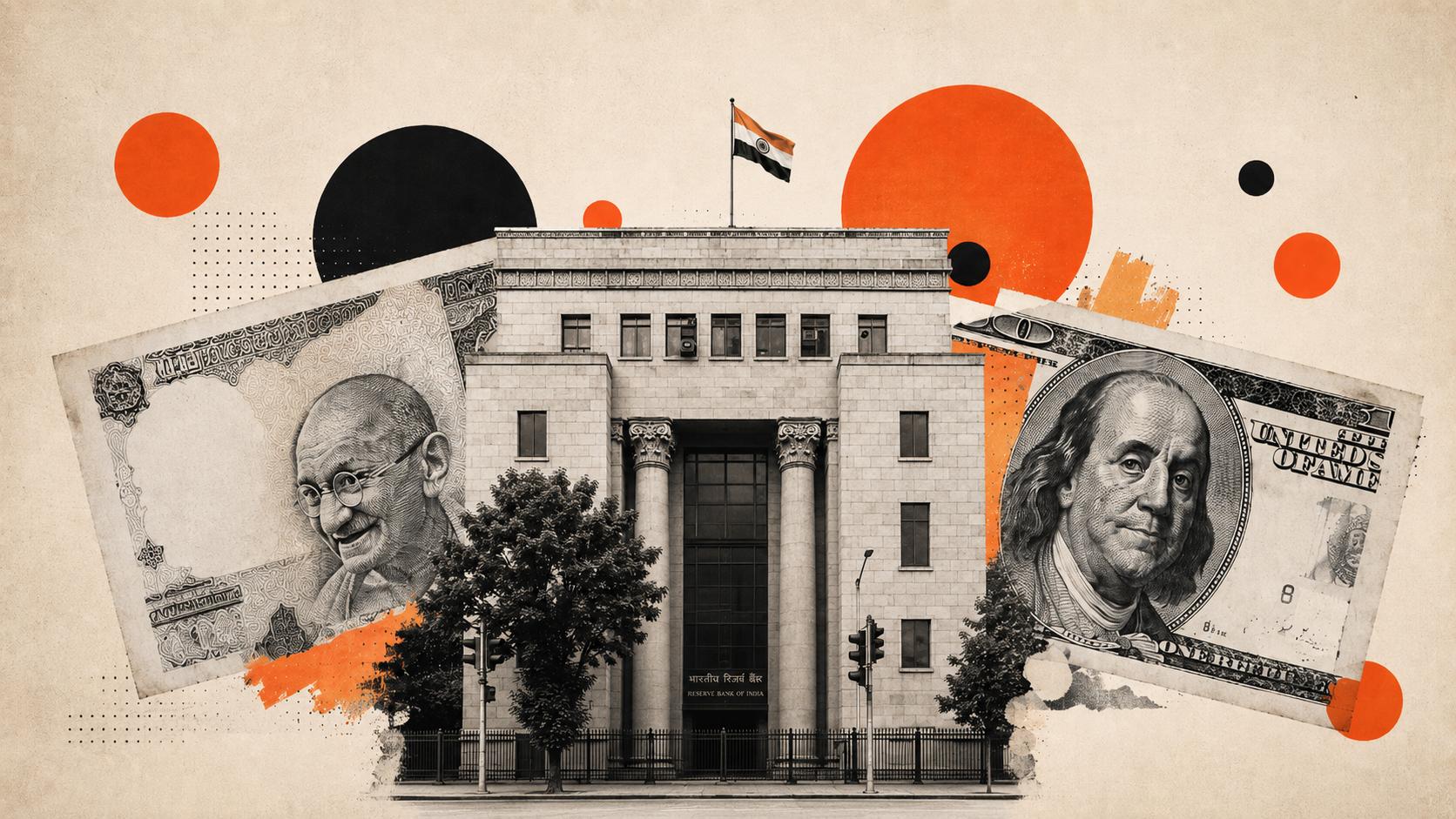
The Indian Rupee (INR) is expected to open higher against the US Dollar (USD) on Monday. On Friday, Indian markets are closed for Muharram celebrations.
The USD/INR pair will likely trade lower at the open on Monday, as the US Dollar has corrected over the last two trading days, with fears of persistent global inflationary pressures waning amid lower oil prices.
As of writing, the US Dollar Index (DXY), which tracks the Greenback’s value against six major currencies, trades 0.25% lower to near 101.20. The DXY has corrected from its yearly high of 101.80 posted on Wednesday.
US Dollar Price Today
The table below shows the percentage change of US Dollar (USD) against listed major currencies today. US Dollar was the weakest against the Euro.
| USD | EUR | GBP | JPY | CAD | AUD | NZD | CHF | |
|---|---|---|---|---|---|---|---|---|
| USD | -0.30% | -0.21% | -0.11% | -0.14% | 0.11% | -0.11% | -0.21% | |
| EUR | 0.30% | 0.08% | 0.20% | 0.19% | 0.41% | 0.16% | 0.10% | |
| GBP | 0.21% | -0.08% | 0.13% | 0.07% | 0.33% | 0.10% | 0.01% | |
| JPY | 0.11% | -0.20% | -0.13% | -0.03% | 0.21% | -0.03% | -0.10% | |
| CAD | 0.14% | -0.19% | -0.07% | 0.03% | 0.25% | -0.00% | -0.10% | |
| AUD | -0.11% | -0.41% | -0.33% | -0.21% | -0.25% | -0.23% | -0.32% | |
| NZD | 0.11% | -0.16% | -0.10% | 0.03% | 0.00% | 0.23% | -0.08% | |
| CHF | 0.21% | -0.10% | -0.01% | 0.10% | 0.10% | 0.32% | 0.08% |
The heat map shows percentage changes of major currencies against each other. The base currency is picked from the left column, while the quote currency is picked from the top row. For example, if you pick the US Dollar from the left column and move along the horizontal line to the Japanese Yen, the percentage change displayed in the box will represent USD (base)/JPY (quote).
Oil prices have returned close to pre-Middle East war levels as energy flows through the Strait of Hormuz, a critical chokepoint to almost 20% of global energy supply, have increased after the signing of a memorandum of understanding (MoU) between the United States (US) and Iran.
Rallying oil prices amid the war in the Middle East prompted inflationary pressures globally and forced traders to raise hawkish bets over major central banks.
Meanwhile, the odds of the Fed delivering at least two interest rate hikes this year have been trimmed to 41.7% from 50.2% seen a week ago.
Also, currencies from economies, such as India, which rely heavily on oil imports to meet their energy needs, tend to perform strongly when oil prices fall sharply.
Indian Rupee FAQs
The Indian Rupee (INR) is one of the most sensitive currencies to external factors. The price of Crude Oil (the country is highly dependent on imported Oil), the value of the US Dollar – most trade is conducted in USD – and the level of foreign investment, are all influential. Direct intervention by the Reserve Bank of India (RBI) in FX markets to keep the exchange rate stable, as well as the level of interest rates set by the RBI, are further major influencing factors on the Rupee.
The Reserve Bank of India (RBI) actively intervenes in forex markets to maintain a stable exchange rate, to help facilitate trade. In addition, the RBI tries to maintain the inflation rate at its 4% target by adjusting interest rates. Higher interest rates usually strengthen the Rupee. This is due to the role of the ‘carry trade’ in which investors borrow in countries with lower interest rates so as to place their money in countries’ offering relatively higher interest rates and profit from the difference.
Macroeconomic factors that influence the value of the Rupee include inflation, interest rates, the economic growth rate (GDP), the balance of trade, and inflows from foreign investment. A higher growth rate can lead to more overseas investment, pushing up demand for the Rupee. A less negative balance of trade will eventually lead to a stronger Rupee. Higher interest rates, especially real rates (interest rates less inflation) are also positive for the Rupee. A risk-on environment can lead to greater inflows of Foreign Direct and Indirect Investment (FDI and FII), which also benefit the Rupee.
Higher inflation, particularly, if it is comparatively higher than India’s peers, is generally negative for the currency as it reflects devaluation through oversupply. Inflation also increases the cost of exports, leading to more Rupees being sold to purchase foreign imports, which is Rupee-negative. At the same time, higher inflation usually leads to the Reserve Bank of India (RBI) raising interest rates and this can be positive for the Rupee, due to increased demand from international investors. The opposite effect is true of lower inflation.
Author

Sagar Dua
FXStreet
Sagar Dua is associated with the financial markets from his college days. Along with pursuing post-graduation in Commerce in 2014, he started his markets training with chart analysis.