|

Global markets: Policy volatility contrasts with calm assets – HSBC

HSBC Asset Management observes that 2026 has brought sharp swings in rate expectations for the Bank of England and European Central Bank, with markets moving from cuts to hikes as Oil-linked inflation risks rise. Despite this, volatility in bonds, currencies and equities remains low and broad asset performance is resilient, underscoring the growing role of fiscal, industrial and geopolitical factors in shaping the macro regime.

Rates turbulence versus market resilience

"If rates are so volatile, why are broader financial markets so calm? Central bank expectations are swinging sharply in 2026, but overall asset class performance has been resilient. And that disconnect may signal something important about the macro regime."

"First, policy hikes are back on the table. A few hikes from the Bank of England (BoE) or European Central Bank (ECB) always felt like a stretch. But policymakers on both sides of the Atlantic are talking tougher and worrying about second‑round effects from the commodities shock."

"Second, short-rate volatility feels unusually high. Market expectations started the year pricing two cuts for the BoE, but now it’s two hikes. Policy forecasts have swung alongside spot oil prices."

"In a radically uncertain and supply‑shocked world, that instability shouldn’t surprise us. It’s an environment where forward guidance has become less effective."

"The deeper point is this: the cost of capital isn’t just about policy rates. Fiscal and industrial policies, and geopolitics, are steering the macro regime now."

(This article was created with the help of an Artificial Intelligence tool and reviewed by an editor.)

Author

FXStreet Insights Team

The FXStreet Insights Team is a group of journalists that handpicks selected market observations published by renowned experts. The content includes notes by commercial as well as additional insights by internal and external analysts.


More from FXStreet Insights Team
Share:

Editor's Picks

AUD/USD climbs toward 0.7000 after strong China data dump

AUD/USD attracts follow-through buyers for the second straight day on Monday, extending last week's recovery toward 0.7000 in Monday's Asian trading. Strong Chniese Q3 GDP and activity data for September strengthen the pair's advance, following RBA Assistant Governor Chris Kent's hawkish remarks.

USD/JPY struggles near 158.00 amid hawkish BoJ, subdued USD

USD/JPY remains defensive near 158.00 in the Asian session on Monday, as the US Dollar remains depressed near a two-week low amid the recent decline in US bond yields. Furthermore, looming intervention risks underpin the Japanese Yen and weigh on the pair amid BoJ Governor Kazuo Ueda's hawkish remarks. However, Fed rate-hike bets and geopolitical uncertainties could limit USD losses and the major.

Gold holds firm below $4,200 on falling US yields

Gold holds gains but remains below the $4,200 mark in the European session on Monday. US Federal Reserve Chair Kevin Warsh’s unwillingness to provide any cues on further policy moves led to a reduction in odds for policy tightening later this month. Moreover, the recent sharp retracement slide in US government bond yields from multi-year highs, acts as a tailwind for the non-yielding bullion.

Cardano risks 15% downside as retail demand, bullish momentum wane

Cardano (ADA) is trading above $0.2200 at press time on Monday, holding steady after a 12% decline the previous week. The altcoin is losing retail interest as the notional value of active ADA futures positions declines. The technical outlook for ADA suggests a downside bias following the bearish breakout below a near-term support trendline last week.

Canada CPI expected to show a pick-up in inflation in September

Canada’s September CPI figures will be the focus of attention on Monday. Indeed, Statistics Canada data will provide markets with an update on price pressures ahead of the BoC’s October 28 gathering, when officials are expected to keep the interest rate steady at 2.25%, broadly in line with analyst consensus.

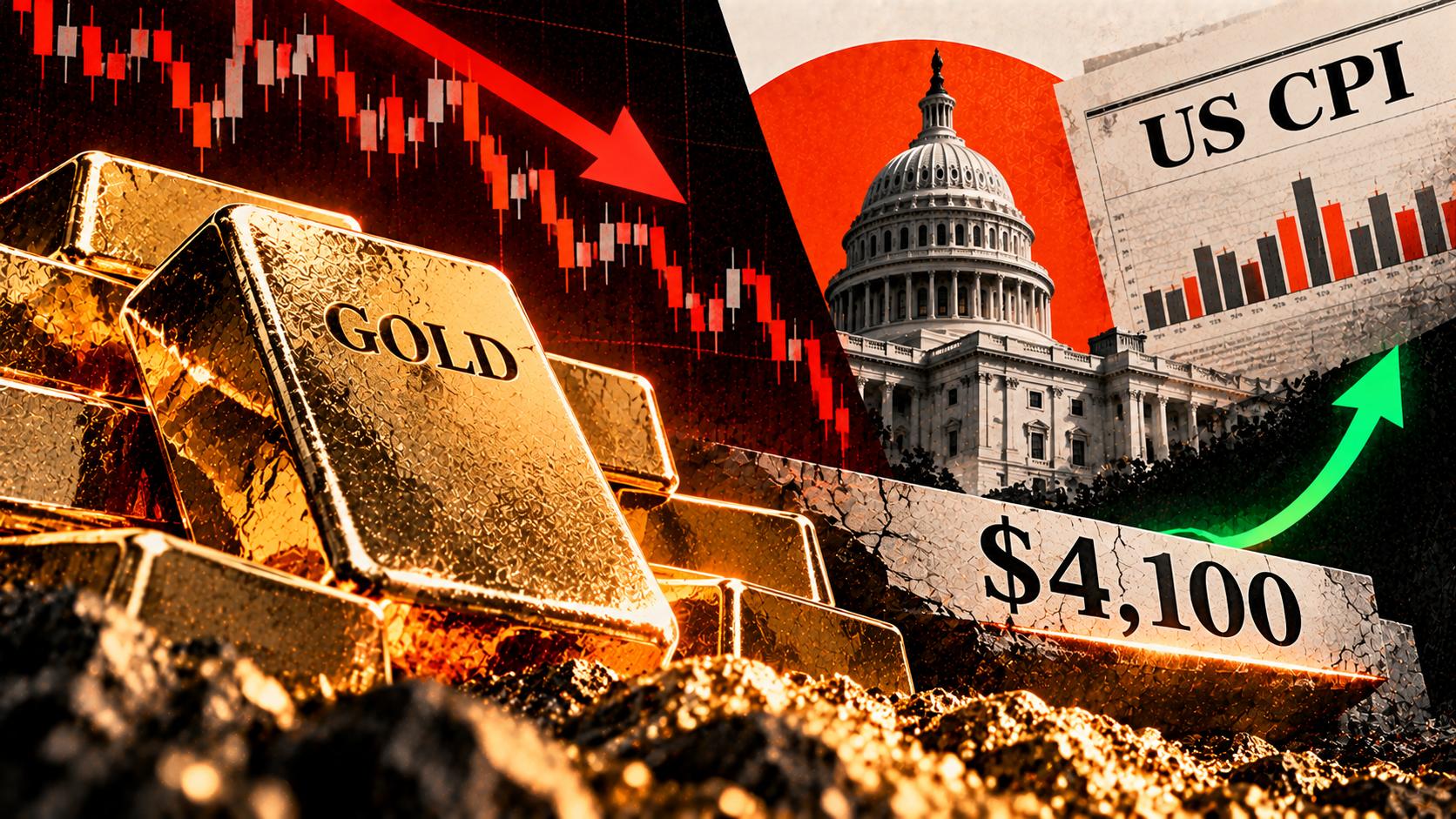
Everyone's dumping Gold after hot US inflation. Here's why $4,100 could be a floor, not a cliff
Gold (XAU/USD) is recovering from a sharp sell-off triggered by hotter-than-expected United States (US) inflation data released on Wednesday. The precious metal briefly plunged toward $4,073 as investors increased their bets on further Federal Reserve (Fed) interest rate hikes before recovering as US Treasury yields and the US Dollar (USD) reversed their initial gains.