|

GBP: Sterling pressured as BoE seen on hold – Societe Generale
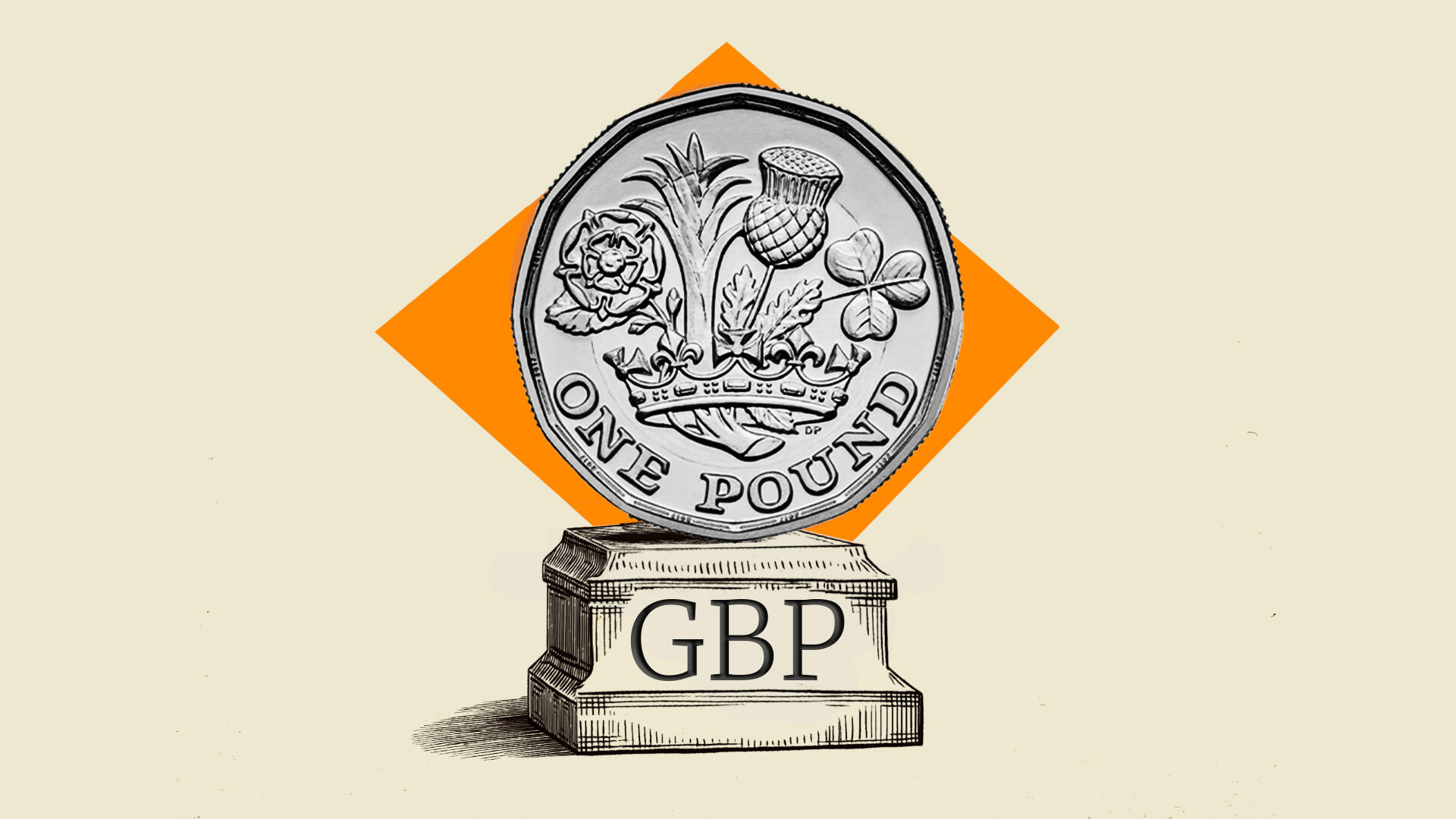
Societe Generale’s Kenneth Broux expects the Bank of England to keep rates unchanged while warning on upside inflation risks, with markets now pricing the next move as a hike. GBP/USD has been declining and faces key resistance at the 50-DMA near 1.3485/1.3500, while support lies at 1.3140 and 1.3000.

Sterling soft with hawkish BoE pricing

"The BoE will most likely follow in the same hawkish vein and keep rates on hold, warning of the upside risk to inflation. Does the MPC vote 9-0 or will doves represented by Dhingra (sole dissenter?) maintain their view for lower rates."

"Money markets have shelved rates cuts entirely for this year and believe the next move is up (Dec-25 +21bp). Our house call remains for three cuts, backed by our base case for a decline in Brent back to $70/b."

"GBP/USD has experienced a steady decline recently and it will be important to observe whether it can reclaim the 50-DMA near 1.3485/1.3500; next supports are at 1.3140 and last November low of 1.3000."

"EUR/GBP is tentatively defending the trough of February at 0.8610; break through this may trigger a deeper decline; the 200-DMA near 0.8690 could be a near term hurdle."

(This article was created with the help of an Artificial Intelligence tool and reviewed by an editor.)

Author

FXStreet Insights Team

The FXStreet Insights Team is a group of journalists that handpicks selected market observations published by renowned experts. The content includes notes by commercial as well as additional insights by internal and external analysts.


More from FXStreet Insights Team
Share:

Editor's Picks

AUD/USD hits nine-week lows below 0.7000 on RBA Bullock's remarks

AUD/USD reverses a brief uptick and turns lower to hit nine-week lows below 0.7000 in the European morning on Tuesday, as traders digest cautious remarks from Reserve Bank of Australia (RBA) Governor Michele Bullock during the press conference. Earlier on, the RBA raised the cash rate to 4.60%, as widely expected, leaving the door open to further rate hikes if needed.

USD/JPY consolidates near 157.50 as a bullish USD counters intervention risks

USD/JPY struggles to capitalize on the overnight bounce from a one-week low, consolidating around 157.50 in the Asian session on Tuesday. Trump's concerns about the Japanese Yen's weakness fueled speculation about another US-Japan joint intervention. This, along with the hawkish BoJ, underpins the JPY and caps the currency pair. Meanwhile, rising Fed rate-hike bets and oil-driven inflation fears continue to push US bond yields to multi-year highs, keeping the US Dollar pinned near a two-month high and supporting the pair.

Gold trims gains; back toward $4,150

Gold now surrenders some of its initial advance and retests the $4,150 zone per troy ounce on Tuesday. Meanwhile, the move higher in the yellow metal comes despite the firmer US Dollar and rising US Treasury yields across the board, while escalating geopolitical tensions appear to limit the downside potential.

Crypto Today: Bitcoin, Ethereum, XRP correct upward amid declining ETF inflows

The cryptocurrency market upholds a neutral-to-bullish bias on Tuesday, with Bitcoin edging closer to a breakout above $84,000. Altcoins mirror BTC’s outlook, with Ethereum holding above $2,700 and Ripple pushing past the reclaimed $1.50 level.

RBA recap: Rate hikes are on the table as demand stays too strong

The Reserve Bank of Australia unanimously tightened monetary policy, warning that inflation remained too high and that several upside risks had begun to materialise. Governor Michele Bullock said the Board would raise rates again if necessary.

Silver is more volatile than Gold ahead of PCE and NFP. This chart shows the positioning gap
The market’s attention is focused on American data this week, but there’s something only those with a trained eye may be looking at: Gold and Silver positioning gap. Financial markets are moving on fears, mostly related to persistently high energy prices driven by the Middle East war. Sure, the US Dollar (USD) is strong, but at what cost?