Forex Today: Fed Chair Warsh speech at Jackson Hole, NFP benchmark revision to lift volatility
Here is what you need to know on Friday, August 28:
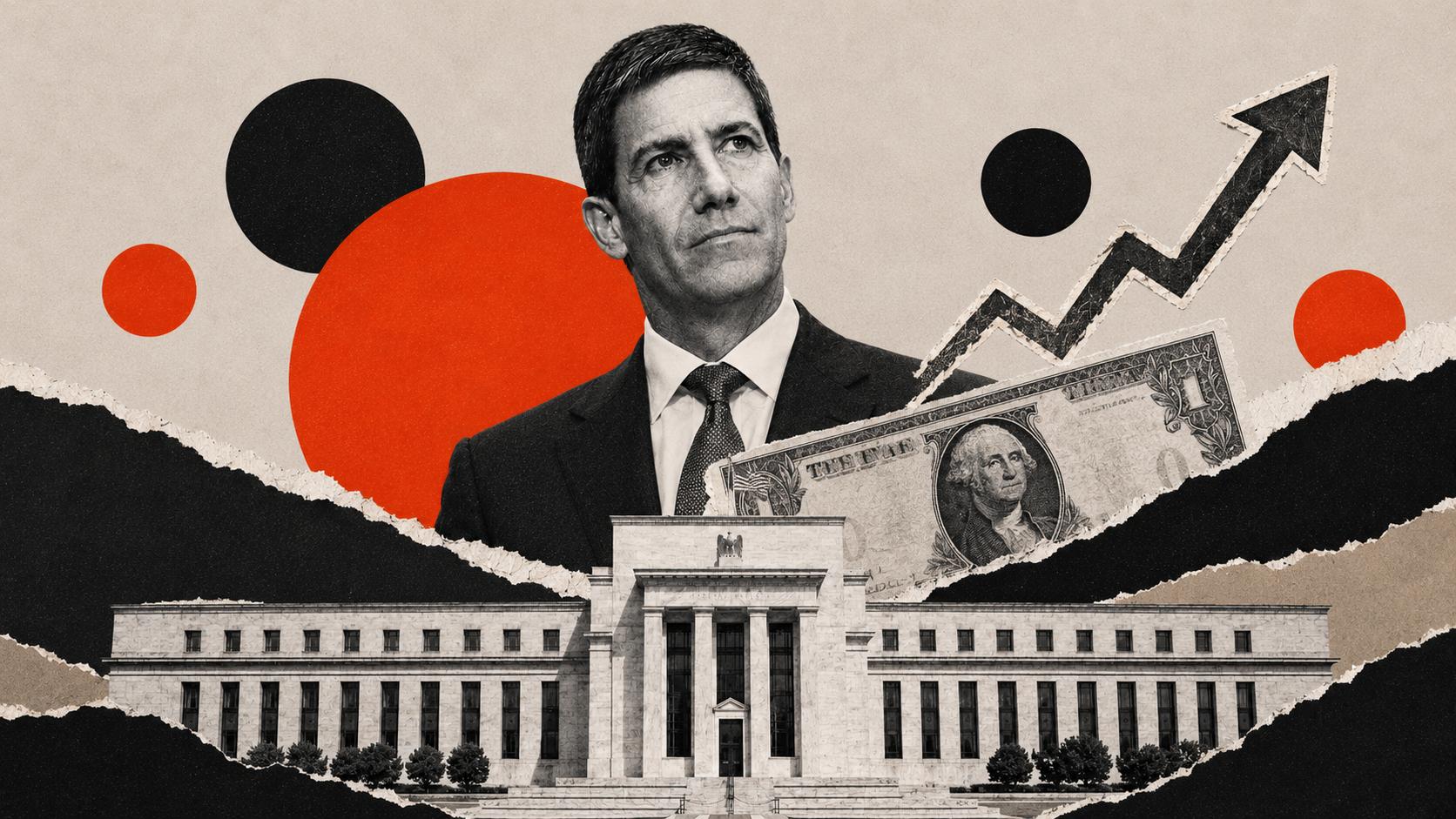
The trading action among major currency pairs remain choppy on Friday as investors gear up for Federal Reserve (Fed) Chairman Kevin Warsh's speech at the Jackson Hole Symposium and the release of US Bureau of Labor Statistics' preliminary benchmark revision to Nonfarm Payrolls data.
US Dollar Price This week
The table below shows the percentage change of US Dollar (USD) against listed major currencies this week. US Dollar was the strongest against the Japanese Yen.
| USD | EUR | GBP | JPY | CAD | AUD | NZD | CHF | |
|---|---|---|---|---|---|---|---|---|
| USD | 0.26% | 0.34% | 0.43% | 0.33% | -0.45% | 0.20% | 0.38% | |
| EUR | -0.26% | 0.08% | 0.09% | 0.07% | -0.70% | -0.06% | 0.13% | |
| GBP | -0.34% | -0.08% | -0.07% | 0.01% | -0.76% | -0.14% | 0.05% | |
| JPY | -0.43% | -0.09% | 0.07% | -0.06% | -0.80% | -0.14% | 0.02% | |
| CAD | -0.33% | -0.07% | -0.01% | 0.06% | -0.71% | -0.08% | 0.06% | |
| AUD | 0.45% | 0.70% | 0.76% | 0.80% | 0.71% | 0.65% | 0.83% | |
| NZD | -0.20% | 0.06% | 0.14% | 0.14% | 0.08% | -0.65% | 0.18% | |
| CHF | -0.38% | -0.13% | -0.05% | -0.02% | -0.06% | -0.83% | -0.18% |
The heat map shows percentage changes of major currencies against each other. The base currency is picked from the left column, while the quote currency is picked from the top row. For example, if you pick the US Dollar from the left column and move along the horizontal line to the Japanese Yen, the percentage change displayed in the box will represent USD (base)/JPY (quote).
The US Dollar (USD) Index holds steady above 99.00 and remains in the upper half of its weekly range in the European session on Friday. The data from the US showed on Thursday that there were 203K Initial Jobless Claims in the week ending August 22, compared to the market expectation of 208K. Meanwhile, Fed policymakers spoke throughout the American session, offering their views on the inflation and policy outlook.
Hammack leans more hawkish as inflation persistence drives call to act
Cleveland Fed President Beth Hammack delivered a distinctly hawkish-leaning message, with an 8/10 FXS Speechtracker score that is modestly stronger relative to the historical average of 7.5/10. The emphasis that the “most recent inflation number was as expected” but that “now is time to act given persistence of inflation,” alongside the view that current policy is not providing restriction and that the neutral rate is on the higher side, underscored a push for tighter policy to re-anchor expectations. Repeated worries about an emerging “inflationary mindset,” public confidence in a return to 2%, and cost-of-living concerns signalled a readiness to endorse further rate hikes or at least resist cuts, a configuration typically supportive of the Dollar on a relative policy-differential basis.
The FXS Fed Sentiment Index rose by 0.51 points to 131.55, reinforcing that the overall policy tone remains firmly in hawkish territory well above the 100 neutral line.
Fed speech and payroll revisions keep Dollar traders on alert
Analysts at ING highlight that Fed Chair Kevin Warsh’s appearance at Jackson Hole coincides with the Bureau of Labor Statistics’ release of its annual nonfarm payroll benchmark revisions, where “consensus expects a close to +200k revision, versus a prior revision of -911k.” They caution that “any surprises here could be noteworthy” for markets. Against this backdrop, ING says it “presume[s] Warsh will do his utmost to avoid upsetting the bond market today – perhaps by avoiding monetary policy altogether – and see DXY trading in a quiet 99.00-99.30 range.”
EUR/USD extends its sideways grind at around 1.1650 for the second consecutive day on Friday.
GBP/USD remains deep in negative territory on the weekly chart and struggles to recovery above 1.3600.
USD/JPY continues to stretch higher and trades at its highest level in over a week above 159.50 in the European morning on Friday.
Gold holds steady above $4,600 following the sharp downward correction seen midweek.
After closing in the red on Thursday, USD/CAD stays in a consolidation phase at around 1.3850 in the early European session. Statistics Canada will publish Gross Domestic Product (GDP) growth figures for the second quarter later in the day.
Nonfarm Payrolls FAQs
Nonfarm Payrolls (NFP) are part of the US Bureau of Labor Statistics monthly jobs report. The Nonfarm Payrolls component specifically measures the change in the number of people employed in the US during the previous month, excluding the farming industry.
The Nonfarm Payrolls figure can influence the decisions of the Federal Reserve by providing a measure of how successfully the Fed is meeting its mandate of fostering full employment and 2% inflation. A relatively high NFP figure means more people are in employment, earning more money and therefore probably spending more. A relatively low Nonfarm Payrolls’ result, on the either hand, could mean people are struggling to find work. The Fed will typically raise interest rates to combat high inflation triggered by low unemployment, and lower them to stimulate a stagnant labor market.
Nonfarm Payrolls generally have a positive correlation with the US Dollar. This means when payrolls’ figures come out higher-than-expected the USD tends to rally and vice versa when they are lower. NFPs influence the US Dollar by virtue of their impact on inflation, monetary policy expectations and interest rates. A higher NFP usually means the Federal Reserve will be more tight in its monetary policy, supporting the USD.
Nonfarm Payrolls are generally negatively-correlated with the price of Gold. This means a higher-than-expected payrolls’ figure will have a depressing effect on the Gold price and vice versa. Higher NFP generally has a positive effect on the value of the USD, and like most major commodities Gold is priced in US Dollars. If the USD gains in value, therefore, it requires less Dollars to buy an ounce of Gold. Also, higher interest rates (typically helped higher NFPs) also lessen the attractiveness of Gold as an investment compared to staying in cash, where the money will at least earn interest.
Nonfarm Payrolls is only one component within a bigger jobs report and it can be overshadowed by the other components. At times, when NFP come out higher-than-forecast, but the Average Weekly Earnings is lower than expected, the market has ignored the potentially inflationary effect of the headline result and interpreted the fall in earnings as deflationary. The Participation Rate and the Average Weekly Hours components can also influence the market reaction, but only in seldom events like the “Great Resignation” or the Global Financial Crisis.
Author

Eren Sengezer
FXStreet
As an economist at heart, Eren Sengezer specializes in the assessment of the short-term and long-term impacts of macroeconomic data, central bank policies and political developments on financial assets.

















