Food inflation jumped to 5.52% and the Reserve Bank of India held at 5.25%: Why rate hikes are still on the table
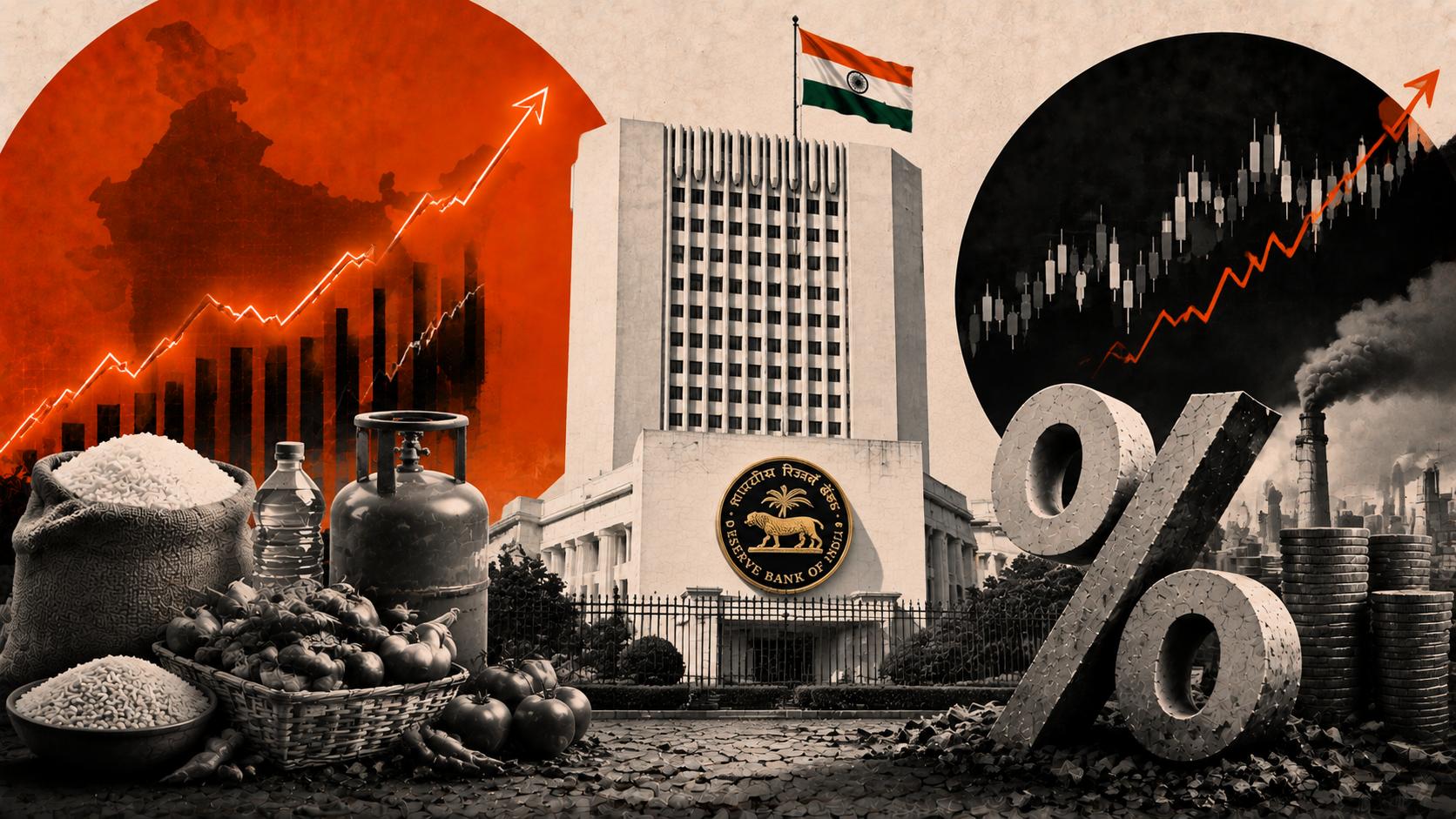
India’s Consumer Price Index (CPI) inflation accelerated slightly to 4.45% year-on-year in July from 4.38% in June, primarily propelled by rising food costs. Although this marks the second consecutive month that headline inflation has printed above the Reserve Bank of India’s (RBI) 4.0% midpoint target, it remains comfortably within the central bank’s broader 2–6% tolerance band. Both MUFG and DBS Group Research agree that the latest data validates the RBI’s decision to keep the repo rate on hold at 5.25%, but they offer differing perspectives on how long this policy pause will last.
Institutional Overview: MUFG vs. DBS Group Research
- Inflation Dynamics: MUFG highlights rising food inflation (jumping to 5.52% y/y) and warns that strong domestic demand could broaden price pressures. DBS Group Research emphasizes benign core inflation and the absence of generalized price shocks across the wider economy.
- RBI Policy Trajectory: MUFG expects the RBI to maintain its neutral stance in the near term but projects a 50-basis-point rate-hiking cycle starting in December 2026. DBS anticipates an extended pause with no immediate need for tightening.
- Market & Yield Buffer: MUFG points to risks from weather shocks and accelerating credit growth. DBS notes that stable 10-year government bond yields (6.75–6.85%) and unchanged domestic fuel pump prices provide a solid buffer for onshore markets.
Food inflation drives CPI uptick, signaling potential long-term rate hikes
According to Michael Wan at MUFG, July's CPI print of 4.45% y/y reinforces the view that domestic inflation is undergoing a slow buildup. The primary driver behind the acceleration was food inflation, which climbed to 5.52% y/y from 5.32% in June, leaving consumer prices vulnerable to weather disruptions and supply shocks. While headline metrics remain well inside the RBI's target band, MUFG cautions that robust credit growth and firm domestic demand could eventually bleed into broader price categories.
"We believe that the RBI will continue to maintain its neutral stance for now, but we see some signs that inflation is likely to broaden out more moving forward given firm domestic demand, accelerating credit growth and overall supportive fiscal position. We continue to see RBI hiking rates by 50bps this cycle but we have recently pushed out the timing of hikes to start from December 2026 instead."
Benign core inflation supports an extended policy hold
Taking a more accommodative view, Radhika Rao at DBS Group Research asserts that the July inflation release gives the RBI's Monetary Policy Committee ample headroom to maintain its current interest rate pause. Despite elevated global crude prices earlier in the year, domestic retail fuel prices have stayed steady. Furthermore, because core inflation remains subdued and shows no signs of broad-based pass-through, the central bank can comfortably navigate a near-zero real policy rate environment while onshore bond yields hover in a tight band.
"Benign core measures and absence of generalised pickup in price pressures support our baseline call for the central bank to stay on hold at the next review... Onshore markets have been ambivalent to volatile moves in global oil benchmarks in recent weeks, while 10Y bond yield hovers within 6.75-6.85%."
Banks project a stable near-term policy stance with diverging future paths
Based on the assessments from both financial institutions, the banks project an extended period of policy stability for the Reserve Bank of India at its 5.25% benchmark rate. DBS Group Research expects the central bank to remain firmly on hold as muted core inflation keeps broader price pressures in check. Conversely, MUFG maintains a more hawkish long-term view, anticipating that persistent food price risks and solid economic growth will eventually require the RBI to deliver 50 basis points in rate hikes beginning in late 2026.
(This article was created with the help of an Artificial Intelligence tool and reviewed by an editor. Know more.)
Author

FXStreet Insights Team
FXStreet
The FXStreet Insights Team is a group of journalists that handpicks selected market observations published by renowned experts. The content includes notes by commercial as well as additional insights by internal and external analysts.