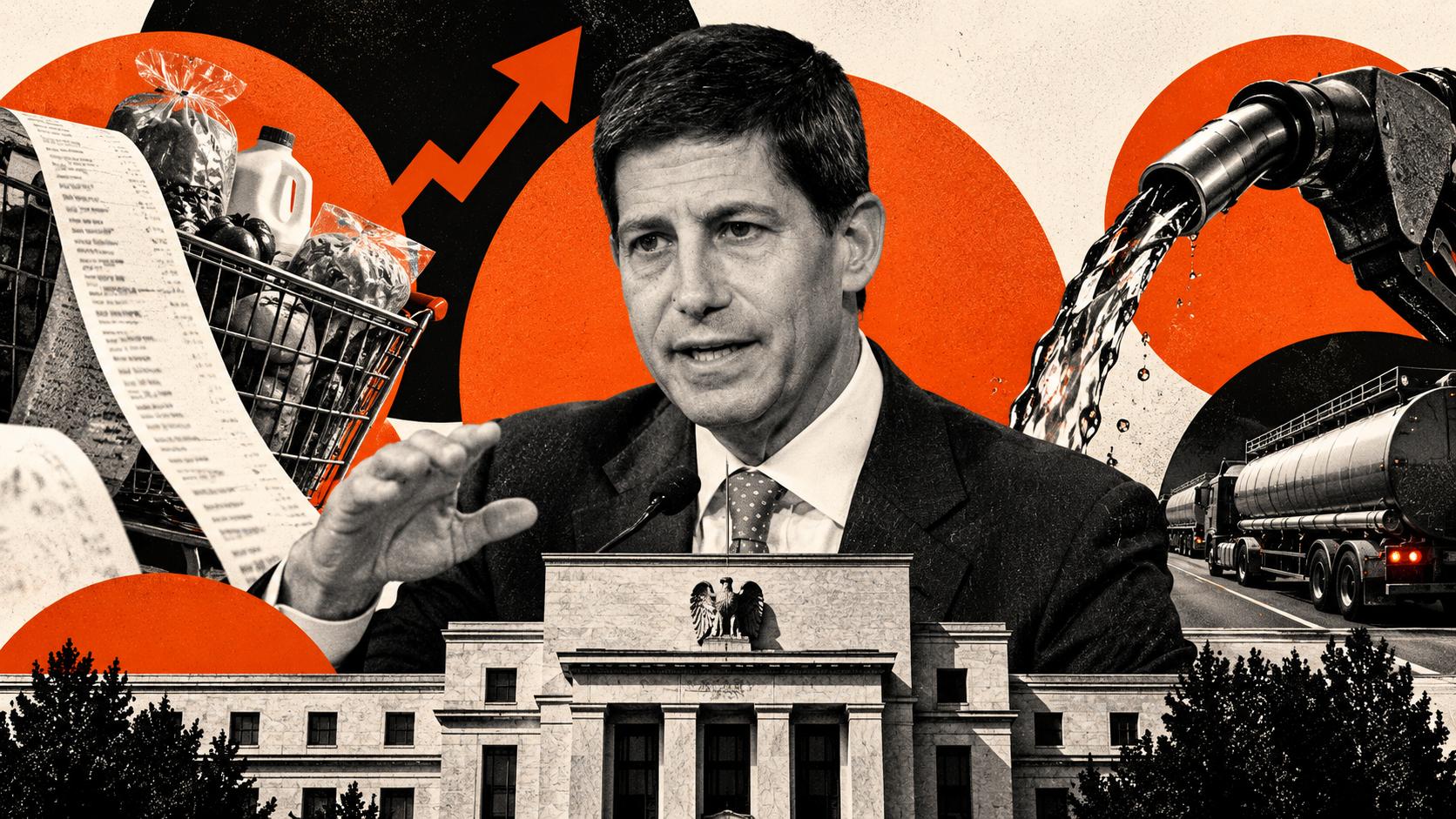
Federal Reserve: September hike bias shifts – ING

ING’s James Knightley argues Kevin Warsh’s Jackson Hole speech has shifted the Federal Reserve’s reaction function toward a September rate hike, even though ING’s macro projections suggest the Fed could wait. The analysis highlights inflation above target, robust activity but pressured households, and concludes that a 25bp move is now more likely than a hold, with rates then stable into 2027.
Warsh tilts Fed toward hiking
"Ahead of the Federal Reserve’s Jackson Hole Symposium, we were comfortable with the view that the Fed would be patient and hold rates steady well into 2027. However, Chair Warsh took a notably more hawkish stance in his keynote address. He emphasised a focus on inflation, which has been above target for 65 consecutive months, and a sense that financial conditions aren’t tight in an environment of full employment."
"Given this, we need to change the way we think about the September Fed decision. Previously, it was that the Fed would hold unless the data justifies a hike. Now it is that the Fed will hike, unless the data justifies a pause."
"There are two key August data points ahead of that decision; the 4 September jobs report and the 11 September CPI print. Before Jackson Hole, we would have said it requires a non-farm payrolls figure of 75k+, the unemployment rate holding at 4.1% with core CPI coming in at 0.3% month-on-month or above to result in a vote in favour of a rate hike. Now, we suspect it will likely require a jobs figure below 25k, possibly even net job losses, with a core CPI MoM reading below 0.2% MoM, to prevent/delay a hike."
"After having sounded hawkish in June and then backtracked in July, what would it mean to Warsh’s credibility to have gone hawkish again in August only to turn more dovish in September? His emphasis on trends rather than individual data points also suggests he has made his mind up and, with no-one on the FOMC openly hostile to a rate hike, we have to say that a 25bp increase now looks more likely than a hold."
"Ordinarily the assumption is that if the Fed hikes, they don’t do just one. However, this time around we think that may be the case as the soft jobs figures and cooling inflation data calm Fed worries. Market and consumer inflation expectations remain in check, so we see parallels with the late 1990s – cuts in early 1996 before a pause, then one 'risk management' hike in March 1997 before a long pause through late 1998."
(This article was created with the help of an Artificial Intelligence tool and reviewed by an editor. Know more.)
Author

FXStreet Insights Team
FXStreet
The FXStreet Insights Team is a group of journalists that handpicks selected market observations published by renowned experts. The content includes notes by commercial as well as additional insights by internal and external analysts.