|

China Foreign Ministry: Tariff and trade wars serve no one’s interests
China Foreign Ministry: Tariff and trade wars serve no one’s interests

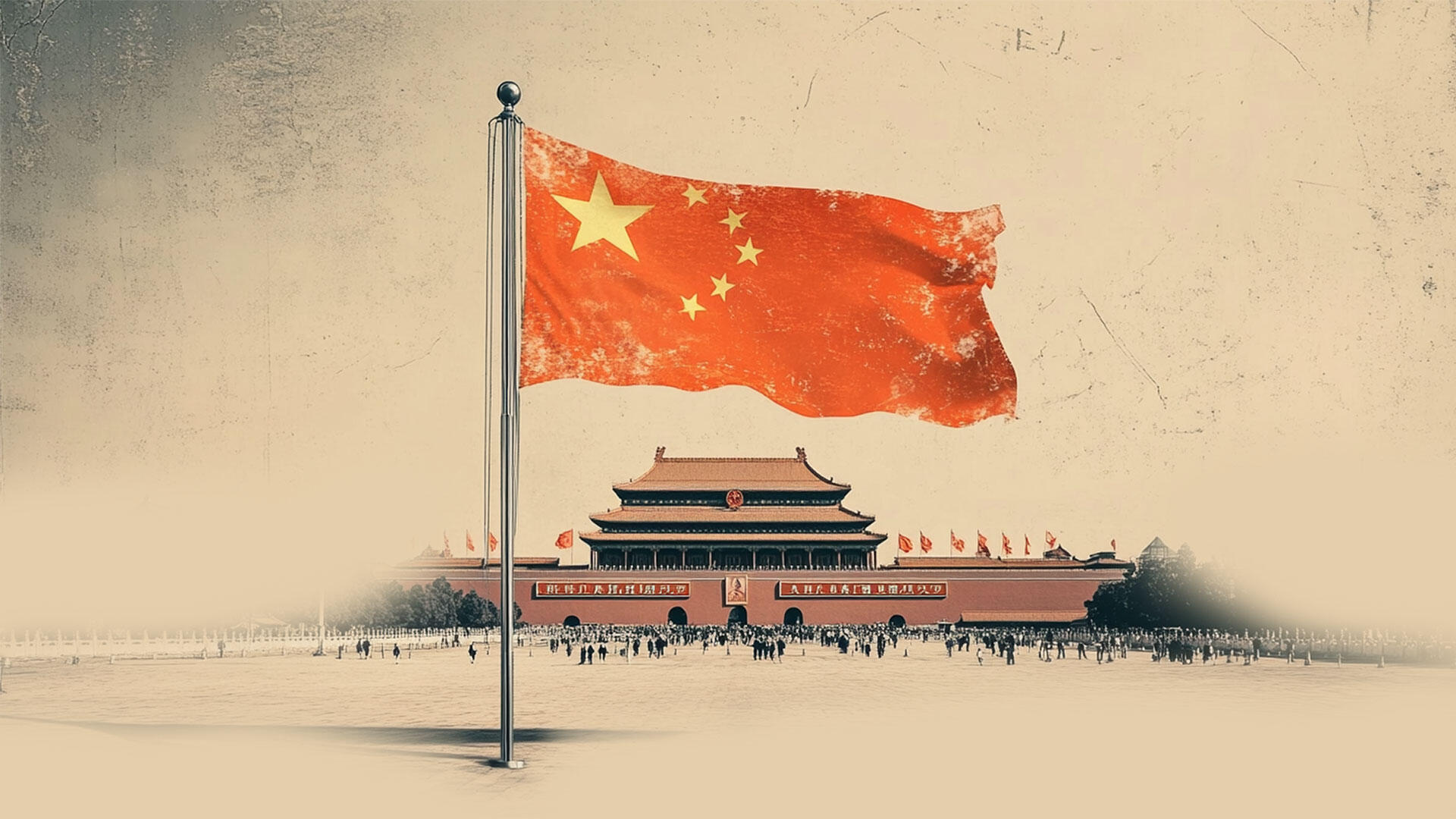
China’s Foreign Ministry spokesperson said regarding the United States (US) upcoming tariffs announcement during the European session on Wednesday that “tariff and trade wars serve no one’s interests”. The spokesperson added, “The so-called of overcapacity does not really exist, and should not be used as a pretext for political manipulation.”

US-China Trade War FAQs

Generally speaking, a trade war is an economic conflict between two or more countries due to extreme protectionism on one end. It implies the creation of trade barriers, such as tariffs, which result in counter-barriers, escalating import costs, and hence the cost of living.

An economic conflict between the United States (US) and China began early in 2018, when President Donald Trump set trade barriers on China, claiming unfair commercial practices and intellectual property theft from the Asian giant. China took retaliatory action, imposing tariffs on multiple US goods, such as automobiles and soybeans. Tensions escalated until the two countries signed the US-China Phase One trade deal in January 2020. The agreement required structural reforms and other changes to China’s economic and trade regime and pretended to restore stability and trust between the two nations. However, the Coronavirus pandemic took the focus out of the conflict. Yet, it is worth mentioning that President Joe Biden, who took office after Trump, kept tariffs in place and even added some additional levies.

The return of Donald Trump to the White House as the 47th US President has sparked a fresh wave of tensions between the two countries. During the 2024 election campaign, Trump pledged to impose 60% tariffs on China once he returned to office, which he did on January 20, 2025. With Trump back, the US-China trade war is meant to resume where it was left, with tit-for-tat policies affecting the global economic landscape amid disruptions in global supply chains, resulting in a reduction in spending, particularly investment, and directly feeding into the Consumer Price Index inflation.

Author

Sagar Dua

Sagar Dua

FXStreet

Sagar Dua is associated with the financial markets from his college days. Along with pursuing post-graduation in Commerce in 2014, he started his markets training with chart analysis.


More from Sagar Dua
Share:

Editor's Picks

AUD/USD extends losses below 0.6600, fresh YTD low amid US tariff threats

AUD/USD turns south in the European session on Wednesday, following the Australian consumer inflation-led uptick to the 0.6665 area, or a fresh weekly top. The latest downfall drives the pair further below the 0.6600 mark, or the lowest since December 2025, courtesy of US tariff risks-led broad US Dollar strength. Expectations of the Fed-RBA monetary policy divergence also adds to the weight on the Aussie.

USD/JPY flatlines above 159.00 amid intervention risks ahead of US PCE

USD/JPY is holding steady above 159.00 in the Asian session on Wednesday, stalling its two-day recovery from a two-week low as intervention risks offer support to the Japanese Yen. Meanwhile, the US Dollar attempts a bounce after the previous day’s sharp retracement from a 20-month peak ahead of US PCE Price Index data, guarding the downside for the currency pair.

Gold nears $3,500 as USD firms on Fed bets, geopolitical risks, ahead of US PCE

Gold attracts sellers for the second straight day, touching a fresh weekly low during the Asian session on Wednesday and trading within striking distance of the year-to-date low set last Friday amid a bearish fundamental backdrop. Hawkish signals from the US Federal Reserve continue to act as a headwind for the non-yielding bullion. Adding to this, tensions in the Middle East help the US Dollar attract some dip-buyers following the previous day's pullback from the highest level since March 2025.

Zcash: Declining ZEC targets $700 as Gemini accepts shielded deposits

Zcash continues to face weakness on Wednesday after a 4% decline the previous day, approaching a crucial support zone near the $700 round figure. The privacy coin’s shielded tokens are now accepted on the Gemini exchange, allowing users to preserve on-chain confidentiality.

Asian stocks decline amid AI trade worries and fresh US tariff jitters

Asian stocks mostly fell on Wednesday as relief from Jensen Huang’s return as Nvidia’s president and CEO wanes amid renewed doubts over the artificial-intelligence trade. Investors remain worried about the massive debt-fueled financing of the AI infrastructure and the regulatory ramifications following a sweeping Democratic victory in the US midterm elections.

Gold snaps a five-day losing streak as Bessent warns the Fed against overtightening
Gold (XAU/USD) stages a strong recovery on Monday to trade above the $3,600 level. The precious metal snaps a five-day losing streak after suffering a nearly 9% decline last week, its steepest weekly setback in the recent sell-off, as investors reconsider the prospects for further monetary tightening in the United States (US).