|

Canadian Dollar: Tariff risks cloud outlook – Commerzbank
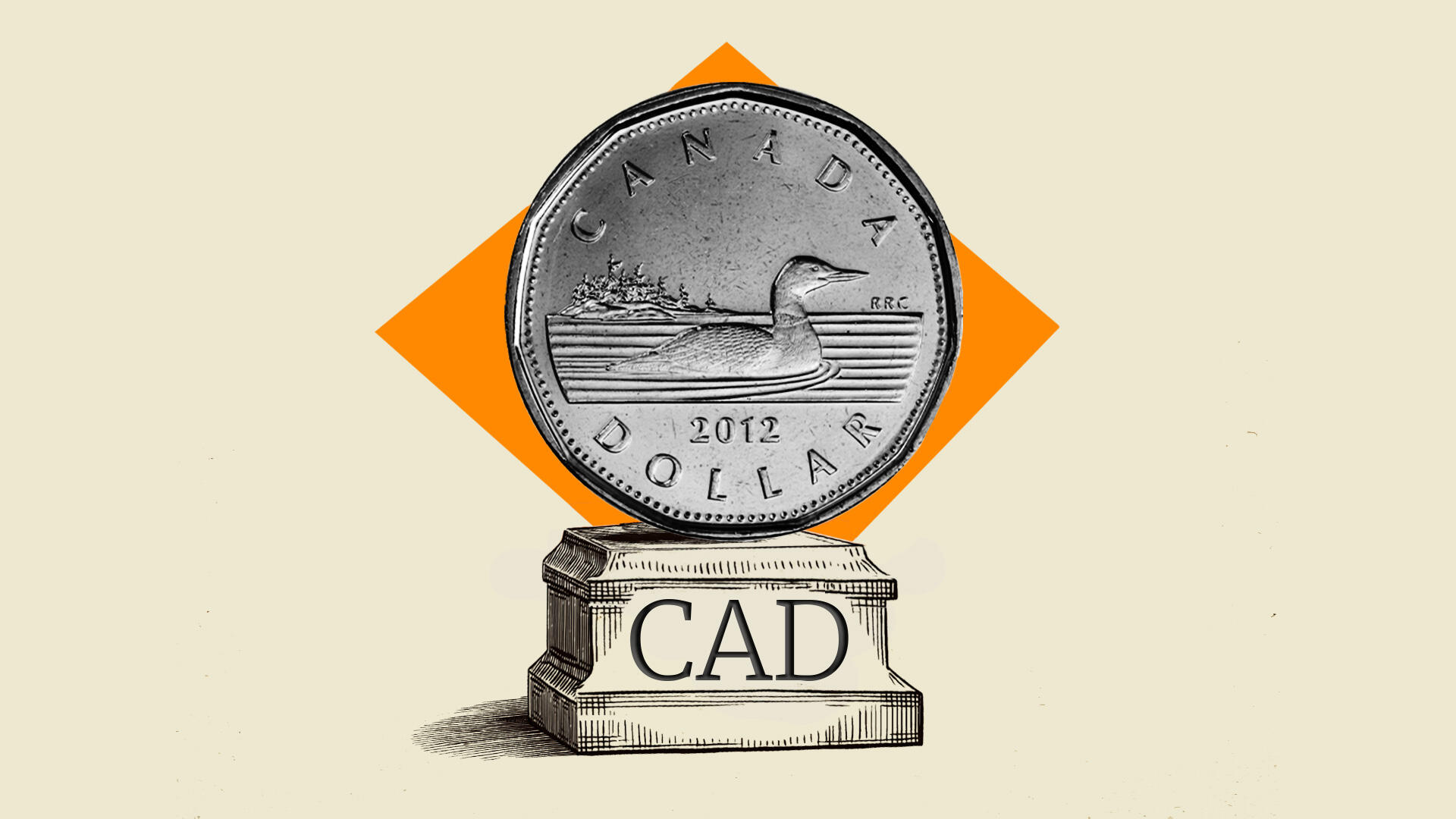
Michael Pfister at Commerzbank assesses the potential impact of higher US auto tariffs on Canada and the Canadian Dollar. The severity of the shock will depend heavily on whether USMCA protection applies, but Pfister argues that deteriorating sentiment could weigh on Canada’s real economy even if the effective tariff increase remains limited. With the measures announced well ahead of 2027, however, there may still be room for negotiations and an agreement before year-end.

US auto tariffs and CAD scenarios

"Yesterday, the US President announced a fairly moderate response by his standards: from 1 January 2027, tariffs on cars are to be doubled from 25% to 50%. This will affect a far greater proportion of Canadian exports to the US than the tariffs that came into force on Saturday, which are thought to have covered around USD 20 billion worth of goods."

"Depending on the scenario, the impact would either be greater (without USMCA protection, in which case the tariff increase would likely exceed last year's total rise) or still manageable (with USMCA protection). The latter scenario would also entail difficulties, however."

"In April, we demonstrated that the prevailing sentiment is more important than the tariff increase itself. This means that the Canadian real economy could still be significantly impacted even if the effective tariff rate rises only slightly."

"But there is a glimmer of hope: the new US tariffs were announced well in advance, possibly to allow time for negotiations. Furthermore, yesterday the US President discussed at length the fact that the country depends on aluminium imports from Canada."

"So perhaps an agreement can still be reached by the end of the year."

(This article was created with the help of an Artificial Intelligence tool and reviewed by an editor. Know more.)

Author

FXStreet Insights Team

The FXStreet Insights Team is a group of journalists that handpicks selected market observations published by renowned experts. The content includes notes by commercial as well as additional insights by internal and external analysts.


More from FXStreet Insights Team
Share:

Editor's Picks

GBP/USD grinds higher to 1.3650 as USD recovery falters

GBP/USD grinds higher to near 1.3650 in Tuesday's European session. The US Dollar recovery falters, despite US sanctions on Iran, as hopes for diplomatic efforts creep back amid reports that Pakistan is carrying an offer to Iran to halt the siege and lift sanctions under the Memorandum of Understanding.

EUR/USD recovers toward 1.1700 as USD loses traction

EUR/USD is recovering ground toward 1.1700 in European trading on Tuesday. The pair draws support as the US Dollar rebound loses traction amid fresh diplomacy hopes in the Middle East conflict. An upbeat German IFO Survey also aids Euro bulls.

Gold remains depressed below $4,650 on firmer USD, Fed risks, and Middle East tensions

Gold remains on the back foot below $4,650 through the first half of the European session. However, the lack of follow-through selling warrants caution before positioning for an extension of the intraday retracement slide from the $4,700 neighborhood, or the highest level since May 14, touched earlier this Tuesday. The US Dollar is seen building on its recovery from a three-month low as inflation risks stemming from volatile energy prices keep bets for at least one interest rate hike by the US Federal Reserve on the table.

Bitcoin's rally above $80,000 shows signs of overheating 

Bitcoin extends gains, trading above $80,000 at the time of writing on Tuesday following its strongest weekly rise in more than three years. Institutional demand continues to support this rally, with spot Exchange Traded Funds recording positive inflows on Monday.

Iran and Fed outlook remain uncertain after Bessent’s comments and ahead of Jackson Hole

Asia Market Update: Directionless trading continues for a 2nd straight session; Iran and Fed outlook remain uncertain after Bessent’s comments and ahead of Jackson Hole; Oman’s Foreign Minister will visit Tehran to Tues, Pakistan commented on MOU.

$20 billion offered, $2 billion taken: Why Treasury doubled its buyback cap

The US Treasury moved off its own calendar on Wednesday, and that is the part worth sitting with. At 12:32 GMT, the department said it would at least double the size of liquidity support buyback operations in the 10-year to 20-year and 20-year to 30-year sectors, lifting the maximum from $2 billion per operation to at least $4 billion, effective September 9 and running to November 4.














