CAD: Loonie regains altitude on oil support – NBC
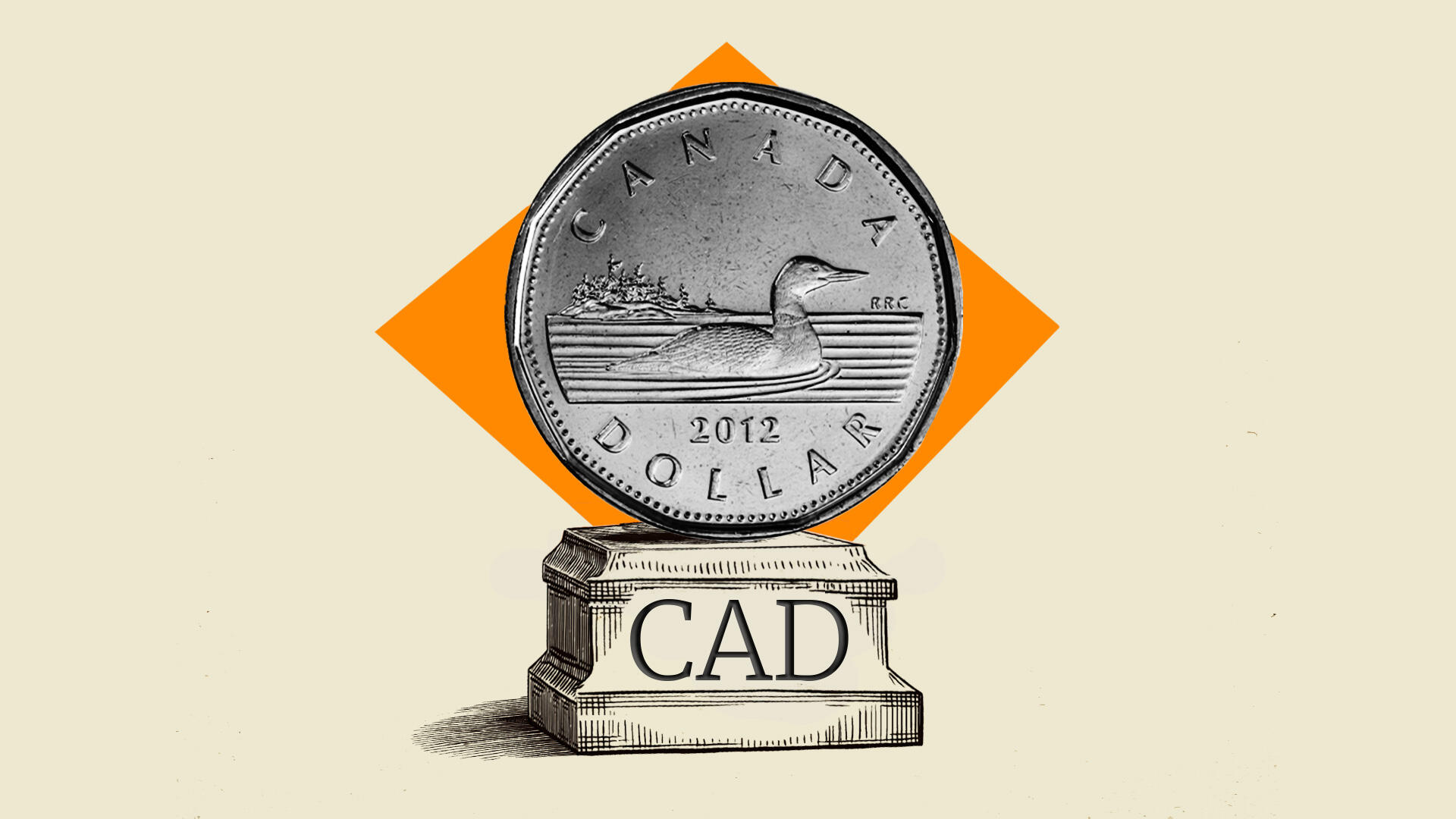
National Bank of Canada (NBC) strategists Stéfane Marion and Kyle Dahms note the Canadian Dollar (CAD) has rebounded sharply, with USD/CAD moving back toward 1.35 as higher Oil prices bolster Canada’s trade and fiscal outlook. They argue markets are overpricing Bank of Canada (BoC) tightening and expect CAD weakness into quarter-end, but retain a constructive view for H2 2026 on pro-energy policy and smoother CUSMA (Canada-United States-Mexico Agreement) talks.
Short‑term setback, medium‑term support
"The Canadian dollar has staged an impressive comeback against the U.S. dollar. After weakening to 1.396 on March 31, a move toward 1.40 that materialized earlier than we had expected, USD/CAD now appears to be converging toward 1.35, a level not seen since 2024."
"The CAD is certainly gaining traction from the potential boost that higher oil prices could provide to Canada’s trade balance—and, by extension, fiscal balances. After surging nearly 50% since the onset of the U.S.–Iran conflict, the current crude oil price shock ranks among the largest since WTI futures began trading in the mid-1980s."
"The Bank of Canada (BoC) held its overnight rate at 2.25% for a fourth consecutive meeting on April 29. Governing Council reiterated its data-dependent stance, emphasizing that it is closely monitoring geopolitical developments and trade dynamics."
"Our rates strategists view this as somewhat aggressive, given weak business investment and ongoing uncertainty surrounding this year’s pending CUSMA renewal, both of which continue to weigh on payroll job creation."
"At this stage, we expect renewed CAD depreciation through quarter-end, as ongoing geopolitical uncertainty and a likely unwinding of Bank of Canada tightening expectations weigh on the currency. For H2 2026, however, we have not abandoned the prospect of CAD appreciation."
(This article was created with the help of an Artificial Intelligence tool and reviewed by an editor.)
Author

FXStreet Insights Team
FXStreet
The FXStreet Insights Team is a group of journalists that handpicks selected market observations published by renowned experts. The content includes notes by commercial as well as additional insights by internal and external analysts.