|

British Pound: Fiscal shield tests gilt and FX credibility – BNY

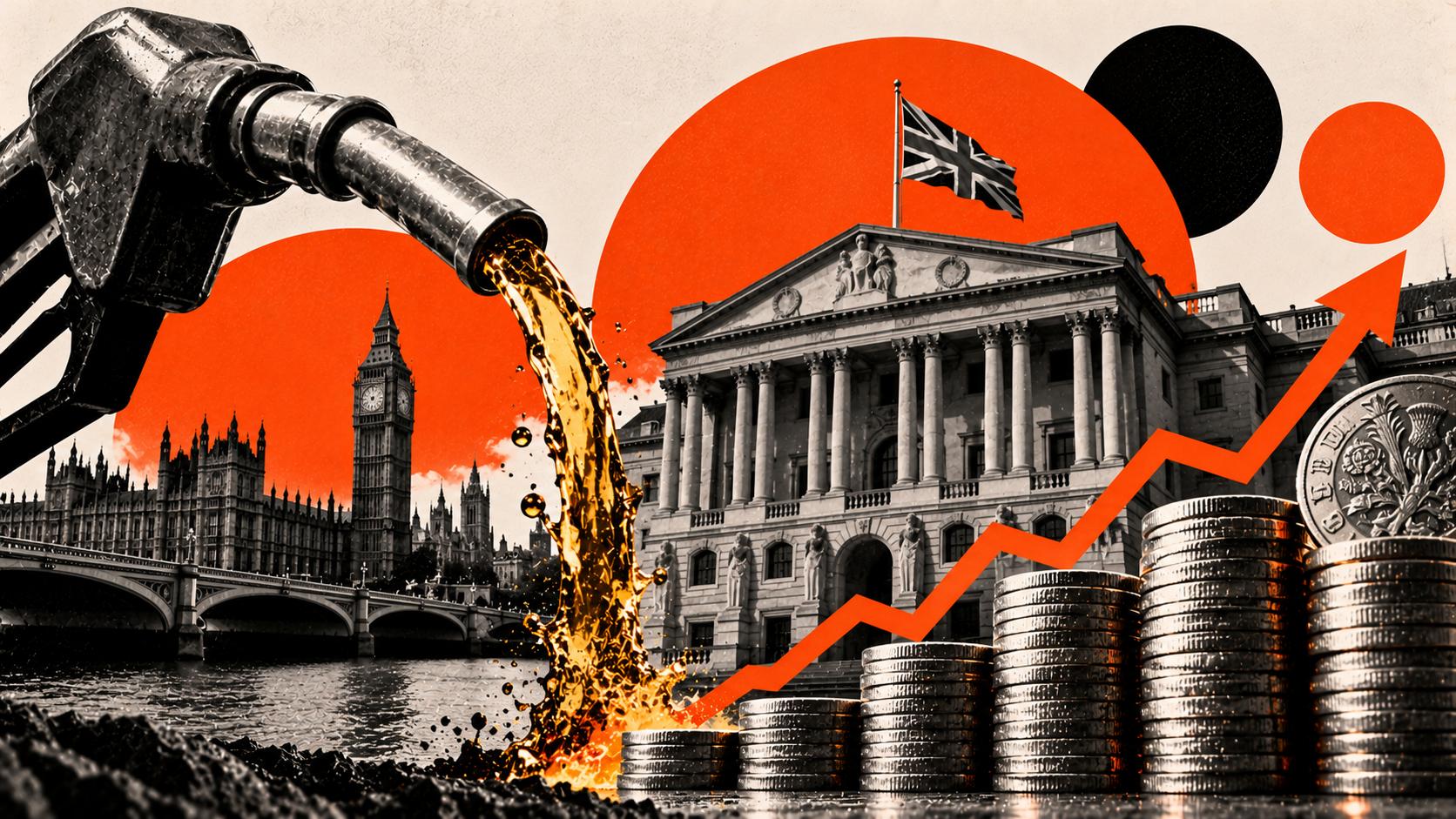
BNY’s Geoff Yu argues that Prime Minister Andy Burnham’s removal of Value Added Tax (VAT) on household electricity is a test of the United Kingdom’s (UK) fiscal protection strategy. While the measure offers modest relief and trims headline inflation, gilt and British Pound (GBP) weakness highlight investor concerns that unfunded easing could signal a broader political shift, turning household support into a credibility challenge.

Energy tax cut raises fiscal questions

"The U.K. is testing fiscal protection. Prime Minister Andy Burnham’s removal of VAT on household electricity bills offers direct relief to consumers and a modest cushion to real incomes. There’s also talk of business-rates relief."

"But gilt and sterling weakness underline the trade-off. Household protection can quickly become a credibility problem if investors question whether fiscal easing is fully funded or part of a broader political shift. The measure itself is manageable; the signal is what markets are watching."

"New U.K. Prime Minister Burnham announced a cut in the household energy bills tax, scrapping the 5% VAT charge from October 1 as the first step in his cost-of-living package. The government said the move will save families about £45 a year, cost £850mn in 2026–27 and be financed by abandoning the previous administration’s digital ID plan."

"Officials said the measure could trim headline inflation by 0.1 percentage point. Burnham said the policy is meant to give households breathing space, while critics questioned the funding plan and noted that broader energy price pressures remain elevated."

(This article was created with the help of an Artificial Intelligence tool and reviewed by an editor. Know more.)

Author

FXStreet Insights Team

The FXStreet Insights Team is a group of journalists that handpicks selected market observations published by renowned experts. The content includes notes by commercial as well as additional insights by internal and external analysts.


More from FXStreet Insights Team
Share:

Editor's Picks

AUD/USD holds steady near 0.7200 amid escalating US-Iran tensions

AUD/USD consolidates just below its highest level since mid-May, touched on Friday, and hovers around 0.7200 at the start of a new week amid mixed cues. Hawkish RBA expectations continue to act as a tailwind for the Aussie. Meanwhile, the upbeat US NFP report lifted Fed rate hike bets, which, along with escalating US-Iran tensions, underpins the safe-haven US Dollar and caps the currency pair.

USD/JPY collapses to seven-month lows near 154.00

USD/JPY extends its decline on Monday, sliding to the area of seven-month lows near the 154.00 neighbourhood, all amid an increasingly hawkish repricing of the BoJ’s policy outlook and repatriation chatter.

Gold bounces off lows, back above $4,400

Gold builds on Friday’s losses, although it manages to regain some composure and reclaim the $4,400 mark per troy ounce on Monday. The yellow metal’s decline follows the move lower in the Greenback and steady caution ahead of key US data releases toward the end of the week.

Bittensor: TAO eyes $300 amid launch on Raydium, parody meme coin, ChatGPT-6 Astra release

Bittensor is trading in the green on Monday, continuing a steady upward trend over the last five days, with a 25% gain. Social chatter surrounding Bittensor is increasing amid a similarly named meme coin launched on Solana and the release of ChatGPT-6 Astra. The technical outlook for TAO is bullish as momentum strengthens and buyers target the $300 breakout.

Strong US jobs, Middle East tensions and key inflation data ahead
Good morning all, hope you enjoyed your weekend. Markets are starting the week after Friday’s stronger-than-expected US jobs report, which increased expectations that the Fed could raise rates at its September meeting. However, US markets are closed today for the Labor Day holiday, so liquidity should be lower and we may see slower price action.
Diesel’s record $100 warning: The oil shock hiding in plain sight

The Oil market may look calmer than it did a few months ago, but diesel is sending a very different message. The US diesel crack spread, the premium of ultra-low sulphur diesel futures over WTI, recently surged above $100 per barrel for the first time, reaching an intraday record of just over $102.00.