BoE’s Pill: Ready to act if necessary
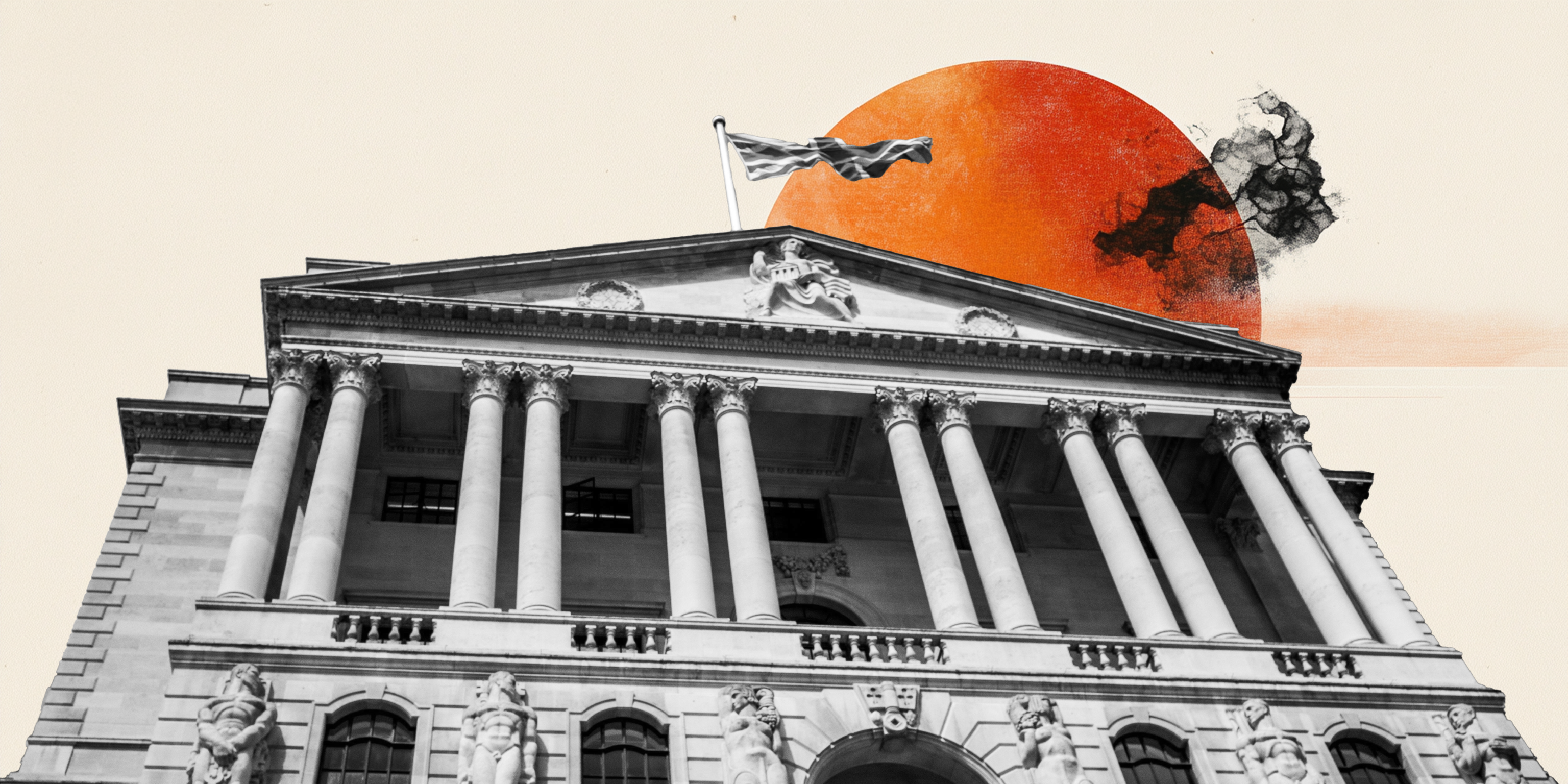
Bank of England’s (BoE) Chief Economist Huw Pill said that he stands ready to act against inflationary pressures stemming from the developments in the Middle East war in a text provided by the BoE on Tuesday. Pill claimed that the fog of uncertainty in which they operate cannot be an excuse for inaction.
Key takeaways:
Stands ready to act against inflationary pressures stemming from developments in the Middle East to deliver price stability over the medium term.
The fog of uncertainty in which we always operate cannot be an excuse for inaction.
Ready to act if necessary to contain the lasting components of any new inflationary pressures.
The task of monetary policy makers is to provide clarity on their pursuit of price stability.
Upside risks to price stability mounting as a result of events in the Gulf.
See need for “caution” in the conduct of monetary policy."
Pound Sterling Price Today
The table below shows the percentage change of British Pound (GBP) against listed major currencies today. British Pound was the strongest against the Australian Dollar.
| USD | EUR | GBP | JPY | CAD | AUD | NZD | CHF | |
|---|---|---|---|---|---|---|---|---|
| USD | 0.22% | 0.34% | 0.22% | 0.04% | 0.59% | 0.53% | 0.49% | |
| EUR | -0.22% | 0.09% | -0.04% | -0.17% | 0.37% | 0.30% | 0.27% | |
| GBP | -0.34% | -0.09% | -0.11% | -0.27% | 0.28% | 0.22% | 0.18% | |
| JPY | -0.22% | 0.04% | 0.11% | -0.16% | 0.39% | 0.32% | 0.30% | |
| CAD | -0.04% | 0.17% | 0.27% | 0.16% | 0.54% | 0.48% | 0.45% | |
| AUD | -0.59% | -0.37% | -0.28% | -0.39% | -0.54% | -0.06% | -0.12% | |
| NZD | -0.53% | -0.30% | -0.22% | -0.32% | -0.48% | 0.06% | -0.04% | |
| CHF | -0.49% | -0.27% | -0.18% | -0.30% | -0.45% | 0.12% | 0.04% |
The heat map shows percentage changes of major currencies against each other. The base currency is picked from the left column, while the quote currency is picked from the top row. For example, if you pick the British Pound from the left column and move along the horizontal line to the US Dollar, the percentage change displayed in the box will represent GBP (base)/USD (quote).
Author

Agustin Wazne
FXStreet
Agustin Wazne joined FXStreet as a Junior News Editor, focusing on Commodities and covering Majors.
















