1.25%: Why the Bank of Japan hike is a done deal and the Japanese Yen now hinges on Ueda's guidance

The Bank of Japan (BoJ) stands on the verge of delivering a 25 basis point rate hike to 1.25%, with financial markets pricing in a near 100% probability of such an action. Coming just three months after its previous rate increase, this move would mark Japan's most tightly spaced policy tightening in years amid accelerating core inflation. However, with money markets pricing in roughly 90 basis points of cumulative hikes over the next 12 months, currency strategists warn that any cautious signaling from Governor Kazuo Ueda could trigger a "sell the fact" unwinding in the Japanese Yen (JPY).
MUFG highlights Ueda caution risk against aggressive 90bps market pricing
According to Derek Halpenny at MUFG, while a 25 bps hike to 1.25% is fully anticipated, Governor Ueda's messaging may struggle to match the hawkish pace currently discounted by interest rate swaps. Elevated global energy prices and equity market uncertainty could prompt Ueda to maintain a cautious stance, dismissing speculative reports of larger 50 bps rate hikes.
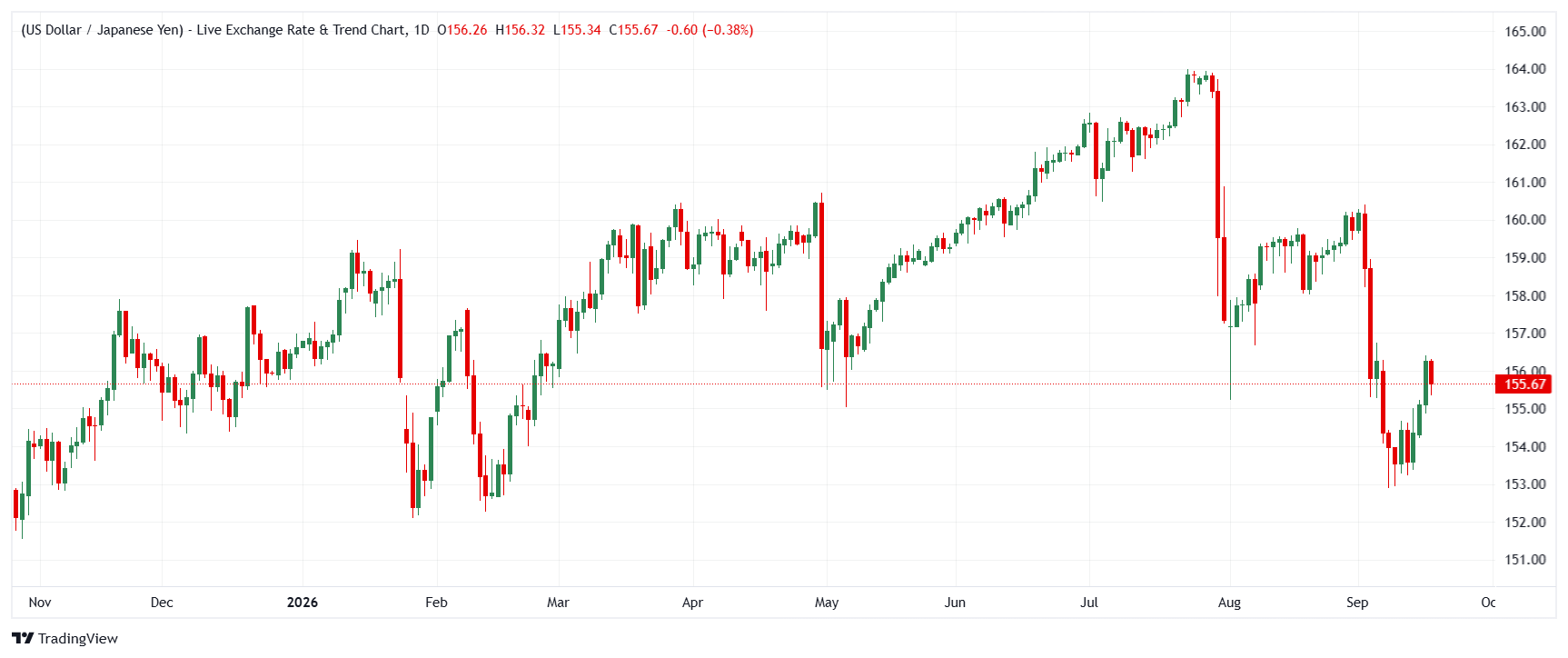
"There is a notable risk that Governor Ueda’s comments could fall short of what markets are expecting given 90bps of hikes are priced over the next 12mths... Governor Ueda has history on being cautious when global uncertainties rise and with rising energy prices comes rising global yields and the risk of a global equity market downturn... Any disappointment in Ueda matching market pricing could see USD/JPY bounce more notably higher."
Danske Bank expects nimbler BoJ pace to defend Yen strength
Focusing on underlying inflation momentum, the Danske Research Team emphasizes that recent CPI data justifies a shift away from the BoJ's historically sluggish approach. A clear commitment to a faster, more flexible rate path is essential to prevent the Japanese Yen from suffering renewed selling pressure.
"We expect BoJ will signal a nimbler approach to the tightening pace than the very cautious hiking cycle we have witnessed so far. Anything else will weigh heavily on the yen... Core price pressures have shown signs of picking up a bit recently which is also what is reflected in the Tokyo data published earlier this month."
Rabobank sees 'sell the fact' Yen risk but targets USD/JPY at 154.00
Jane Foley at Rabobank points out that delivering two rate increases within a three-month span underscores a major shift in Japan's inflation environment. While short-term traders might take profits on long JPY positions following the announcement, underlying economic reforms and firm price trends should anchor USD/JPY around 154.00 over the next quarter.
"If Ueda cannot telegraph news regarding an accelerated pace of policy tightening tomorrow, the market may be disappointed... suggesting room for a ‘sell the fact’ reaction in the JPY vs. the greenback into the weekend. That said... Ueda has sufficient supportive economic data to signal a hawkish tone, which should contain any market disappointment and prevent the currency pair from heading back to the 160.00 area... Our 3-month USD/JPY forecast is 154.00."
Across all three institutions, a 25 bps rate hike to 1.25% is treated as a done deal, shifting the entire focus to Governor Ueda's forward guidance. While Danske Bank expects a nimbler policy trajectory to sustain Japanese Yen gains, both MUFG and Rabobank warn that unless the BoJ fully endorses aggressive rate-hike expectations, USD/JPY faces near-term upside risks from profit-taking before stabilizing near 154.00.
(This article was created with the help of an Artificial Intelligence tool and reviewed by an editor. Know more.)
Author

FXStreet Insights Team
FXStreet
The FXStreet Insights Team is a group of journalists that handpicks selected market observations published by renowned experts. The content includes notes by commercial as well as additional insights by internal and external analysts.