BoJ’s Ueda: Underlying inflation near 2% target
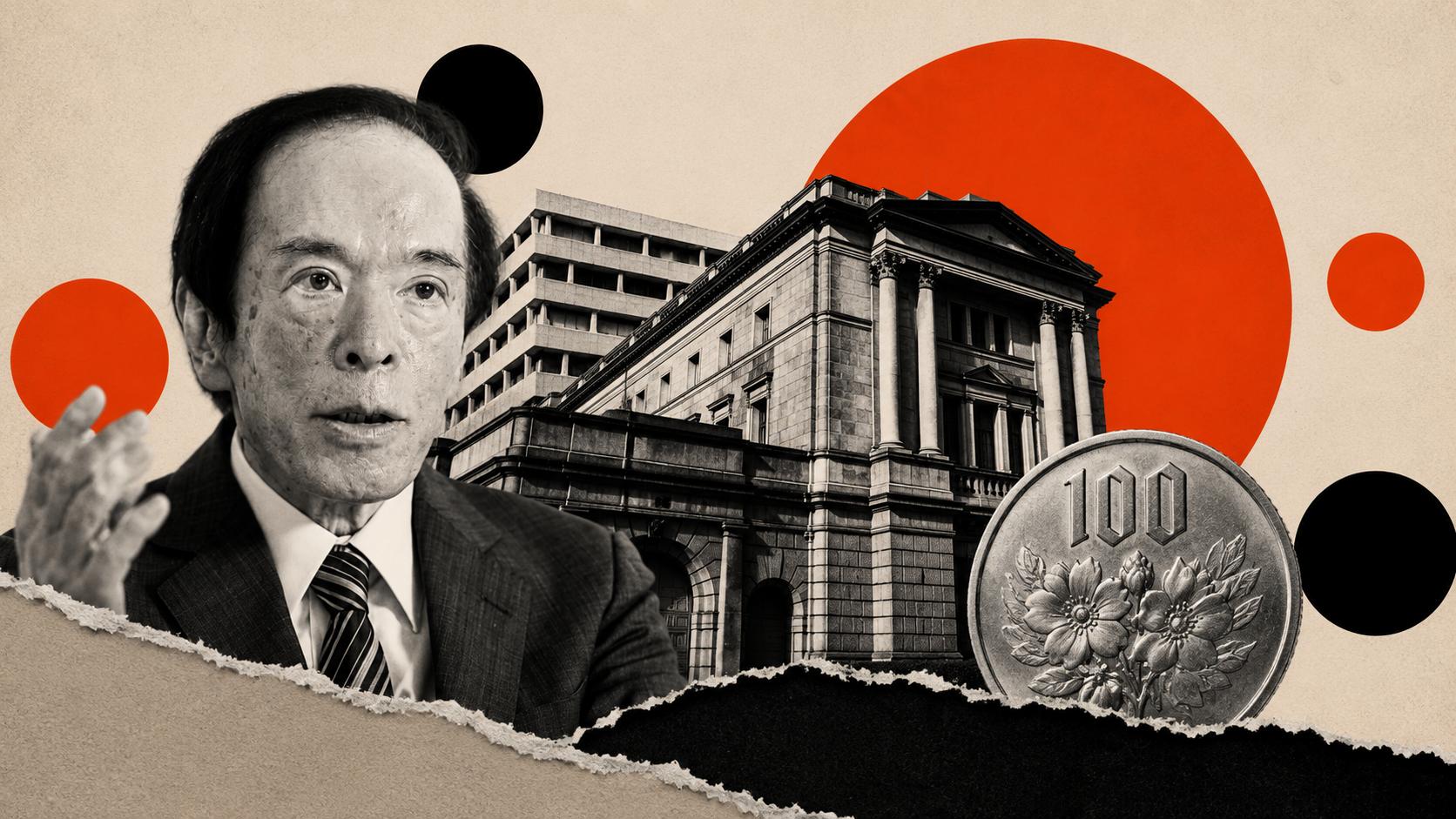
Bank of Japan (BoJ) Governor Kazuo Ueda said on Monday that underlying inflation near the 2% target. Ueda further stated that if bank raises short-term policy rate, long-term interest rates likely to rise steadily with policy.
Key quotes
Underlying inflation near 2% target.
Anchoring core inflation near 2% grows more crucial.
Japan experiencing positive loop of increasing wages, recovering prices.
Middle East conflict is driving up energy and other supply-driven inflation pressures.
Robust global al demand driving up domestic capex, exports and various goods prices as demand-led inflation.
Japan's steady economic recovery and tight labor market also fuel inflation.
No shift in central bank's fundamental bond taper approach.
It is inappropriate to preannounce timing of emergency bond market measures.
Bank will review market conditions including speed of long-term rate rise and signs of market instability to decide on intervention.
If bank raises short-term policy rate, long-term interest rates likely to rise steadily with policy.
Financial conditions stay accommodative.
If policy rate isn't adjusted properly, market concerns about inflation risk could raise long-term rates.
By implementing monetary policy properly to reach 2% inflation target, BoJ can help stabilize JGB market.
Fiscal spending supports demand, helps raise prices and wages.
Fiscal spending that boosts Japan’s supply capacity could help tame inflation over time.
Market reaction
At the time of writing, the USD/JPY pair is down 0.13% on the day at 157.80.
Ueda leans mildly hawkish as BoJ ties rate path to inflation and JGB stability
Ueda’s 7/10 FXS Speechtracker score is slightly below the 7.4/10 historic average, but the emphasis on “underlying inflation near 2%” and a “positive loop” of wages and prices marks a mildly hawkish tilt versus Japan’s past disinflation narrative. The focus on anchoring core inflation at 2%, robust global demand lifting exports and capex, and a tight labor market fueling inflation all support a gradual shift away from ultra-emergency settings, which is modestly supportive for the Yen.
At the same time, Ueda stresses no change in the fundamental bond taper approach and refuses to preannounce emergency bond measures, signaling caution and a desire to avoid destabilizing the JGB market. The message that properly calibrated rate hikes would allow long-term yields to rise “steadily” while keeping financial conditions accommodative suggests a controlled normalization path, limiting upside for the Yen in the near term but reinforcing a slow, hawkish-leaning bias over the medium term.
Bank of Japan FAQs
The Bank of Japan (BoJ) is the Japanese central bank, which sets monetary policy in the country. Its mandate is to issue banknotes and carry out currency and monetary control to ensure price stability, which means an inflation target of around 2%.
The Bank of Japan embarked in an ultra-loose monetary policy in 2013 in order to stimulate the economy and fuel inflation amid a low-inflationary environment. The bank’s policy is based on Quantitative and Qualitative Easing (QQE), or printing notes to buy assets such as government or corporate bonds to provide liquidity. In 2016, the bank doubled down on its strategy and further loosened policy by first introducing negative interest rates and then directly controlling the yield of its 10-year government bonds. In March 2024, the BoJ lifted interest rates, effectively retreating from the ultra-loose monetary policy stance.
The Bank’s massive stimulus caused the Yen to depreciate against its main currency peers. This process exacerbated in 2022 and 2023 due to an increasing policy divergence between the Bank of Japan and other main central banks, which opted to increase interest rates sharply to fight decades-high levels of inflation. The BoJ’s policy led to a widening differential with other currencies, dragging down the value of the Yen. This trend partly reversed in 2024, when the BoJ decided to abandon its ultra-loose policy stance.
A weaker Yen and the spike in global energy prices led to an increase in Japanese inflation, which exceeded the BoJ’s 2% target. The prospect of rising salaries in the country – a key element fuelling inflation – also contributed to the move.
Author

Lallalit Srijandorn
FXStreet
Lallalit Srijandorn is a Parisian at heart. She has lived in France since 2019 and now becomes a digital entrepreneur based in Paris and Bangkok.