Do Headlines Create Risk or Opportunity?

A common perception about the volatility spikes created by headlines is that when this happens the markets become very risky. In some respect, this is certainly true. For traders that don’t understand how the markets work and impulsively react based on their emotions, these events can exact lots of pain. In contrast, those traders that have a proven process that enables them to capitalize on these episodes of elevated volatility tend to do well.
A recent example of this was on Tuesday afternoon, January 7, when the headlines pointed to a missile strike by Iran directed to a US military base in Iraq. This was in retaliation for the U.S. strike that killed a prominent Iranian general. The circumstances are of little importance for traders, however. What is important, is the fast moves in the market that occur as a knee- jerk reaction to such news.
Since these events happened after the U.S. stock market had closed, all the volatility was focused in the futures markets. As you might imagine, the initial reaction was very negative as talks of World War 3 started surfacing across multiple social media platforms.
Common Market Reaction to Volatile News
As a result, what you might have expected did indeed occur. Stock Index Futures plummeted. Gold, bonds and the Yen spiked as these are considered safe-haven trades. And, of course, oil rallied at the prospect of a war which would disrupt the production of oil in one of the largest oil producing regions in the world.
So, what’s the typical reaction from traders when this occurs? In my experience, traders will trade in the direction of the spike as that’s where the emotions take hold. This happened on the aforementioned date as fear took hold causing gold to soar. As happens more often than not, that initial move reversed, leaving those traders who chase on the wrong side of the trade.
Since these type of reversals occur quite frequently, a trader would do much better fading the initial move. For those that are not familiar with that term in respect to trading, it means going in the opposite direction of the move. One caveat: these moves will only reverse at, or near, high quality supply or demand zones. If these are not present, a trader needs to stay on the sidelines. In fact, most traders, unless they are highly skilled, should stay out of the market during periods of heightened volatility.
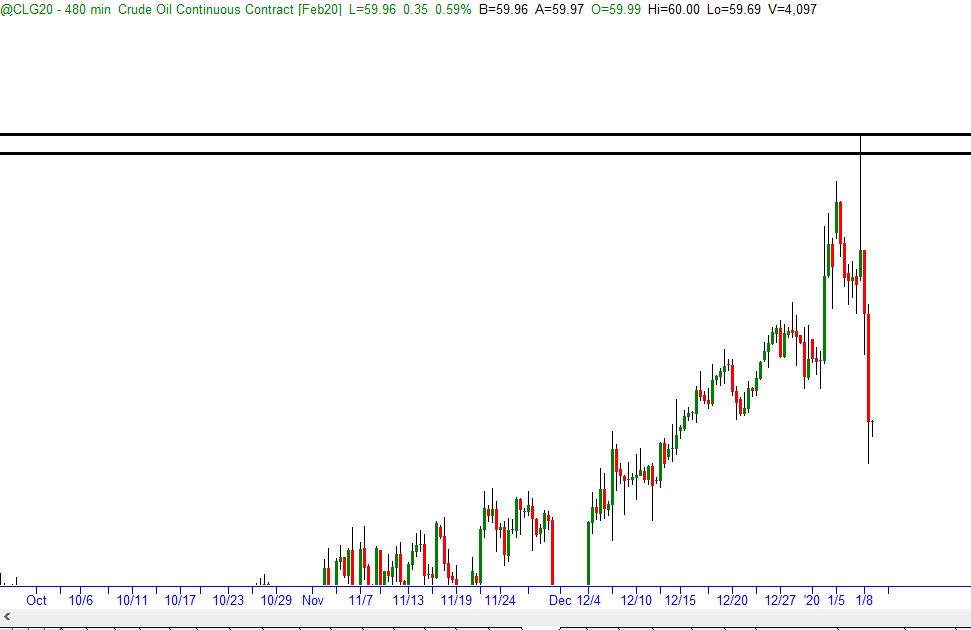
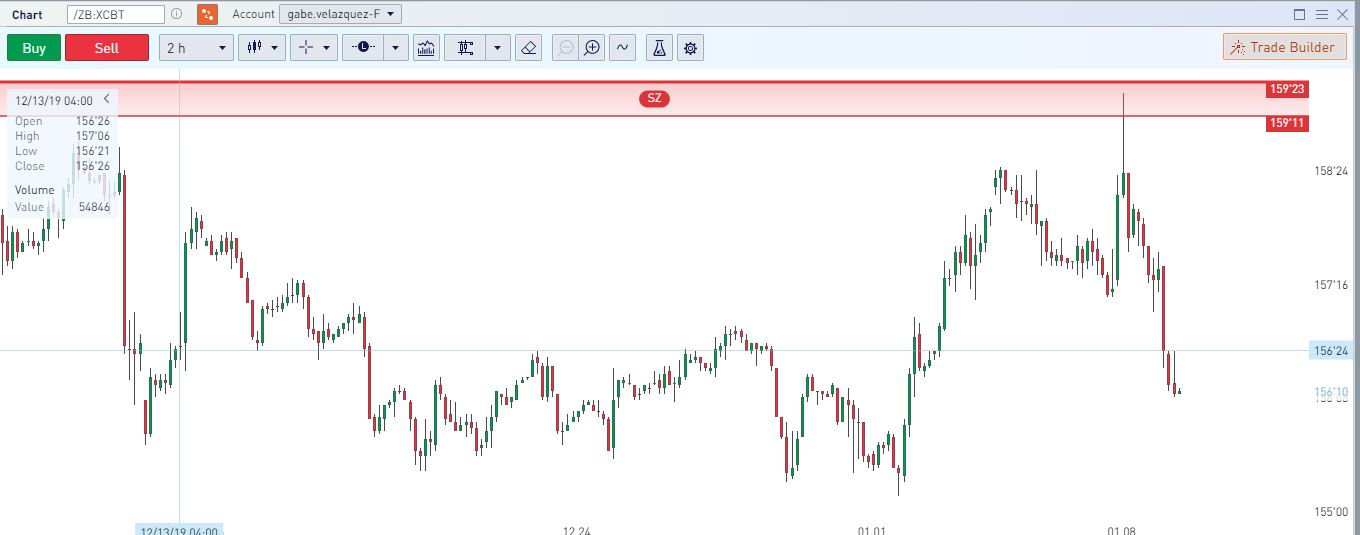
Below are three chart examples (gold, crude oil, and bonds respectively) that hit their respective supply zones after the initial surge following the news release.
Gold, Crude Oil and Bond Levels Prior to News of Iranian Retaliation
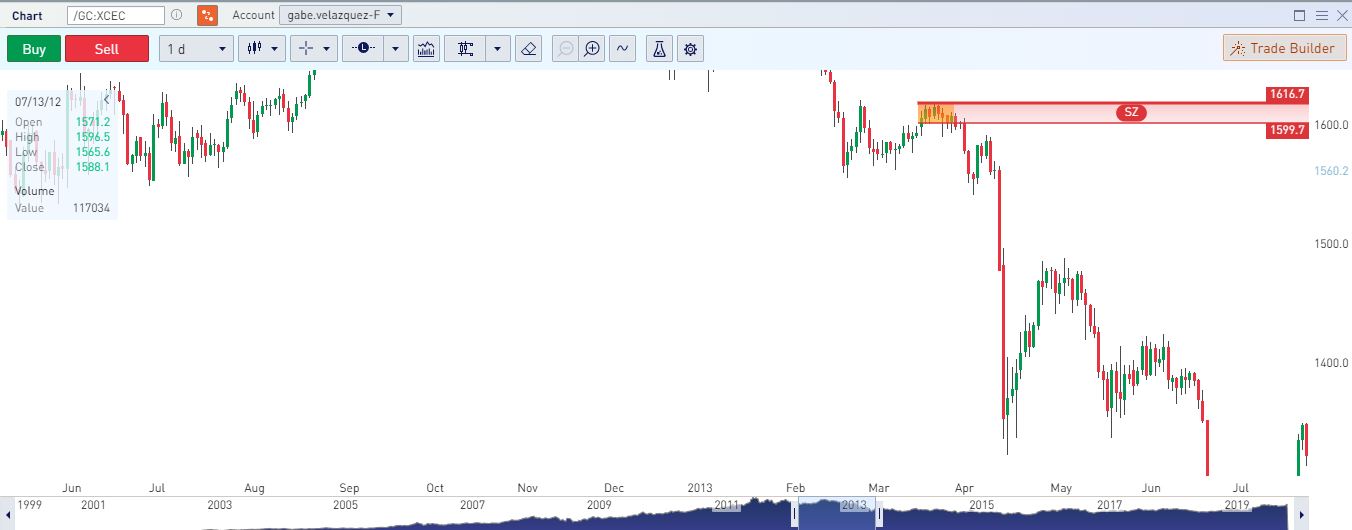
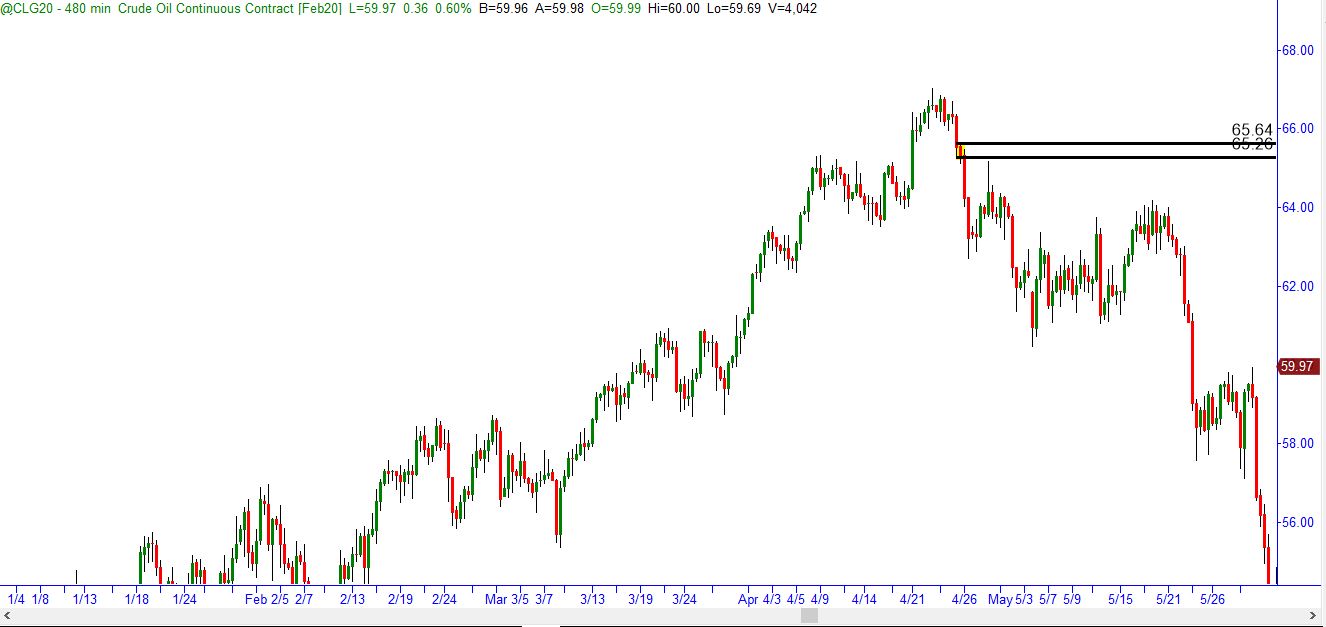
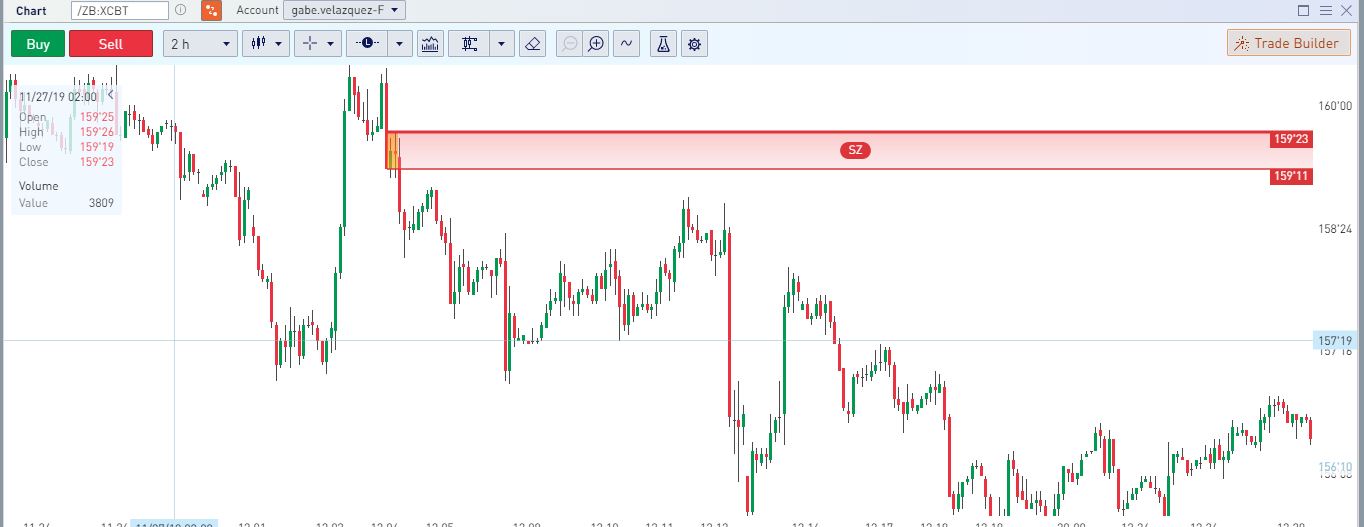
As can be seen, the highlighted zones are areas of prior selling which is one of the criteria used to identify a quality zone. Keep in mind that this is only one piece of the process. There are other parameters that must be met which are beyond the scope of this article.
Price Reversals After the Initial Spike Following the News
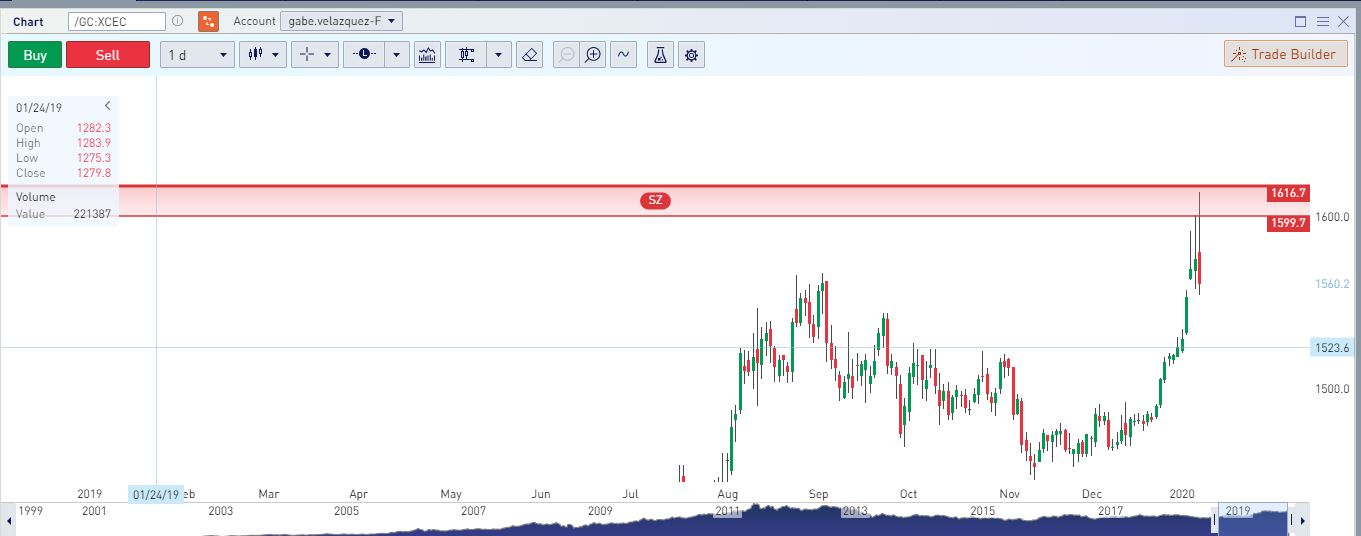
To sum it up, headline volatility can provide some great opportunities, but can also be very risky for many. The level of risk you’re comfortable assuming should always be taken into consideration when considering a trade. Traders who are risk averse or who have not developed the process, discipline and focus required are advised to stay out of the market when these spikes of volatility occur.
Author

Gabe Velázquez
Online Trading Academy
Gabe got his start in the markets as a broker trainee for Paine Webber, a mere 3 months before the market crash of 1987. He witnessed the gut wrenching fear of investors during that time period and the wild speculative euphoria of the late 90's.