Lost Bitcoin may not be gone forever: How AI is changing crypto

Artificial intelligence (AI) is rapidly becoming interconnected with crypto as a practical infrastructure layer, now providing solutions to long-standing challenges in Bitcoin's (BTC) usage.
This follows a recent case in which an anonymous Bitcoin holder recovered roughly five BTC after more than a decade of inaccessibility. The recovery, assisted by Anthropic's Claude model, highlights how AI is evolving into a functional tool within the Bitcoin ecosystem.
The groundbreaking story: Recovering lost Bitcoin using Claude
On May 13, an investor who had been locked out of his Bitcoin wallet since 2015 after forgetting the password stated that he had successfully recovered the assets using Claude. Over the years, he attempted to regain access through brute-force efforts, specialized recovery tools and paid services, but every effort failed to produce results.
The breakthrough came when the individual uploaded archived data from an old computer into Claude. Rather than attempting to bypass Bitcoin's cryptographic protections, the AI analyzed existing files, identified a previously overlooked wallet backup, and connected it with a recovered mnemonic phrase. It also helped diagnose issues in recovery tooling, ultimately enabling the user to decrypt the wallet.
The recovery did not involve breaking Bitcoin's encryption or compromising network security. Rather, it was the AI's ability to process large volumes of unstructured data, identify relevant patterns and assist in reconstructing access credentials from the user's information that brought the breakthrough.
“I forgot my key”, no more?
The implications of this case extend beyond a single recovery, because a portion of Bitcoin's supply is believed to be lost due to forgotten keys, misplaced backups, or inaccessible wallets. If AI tools can meaningfully improve recovery rates, they could unlock substantial value within the ecosystem.
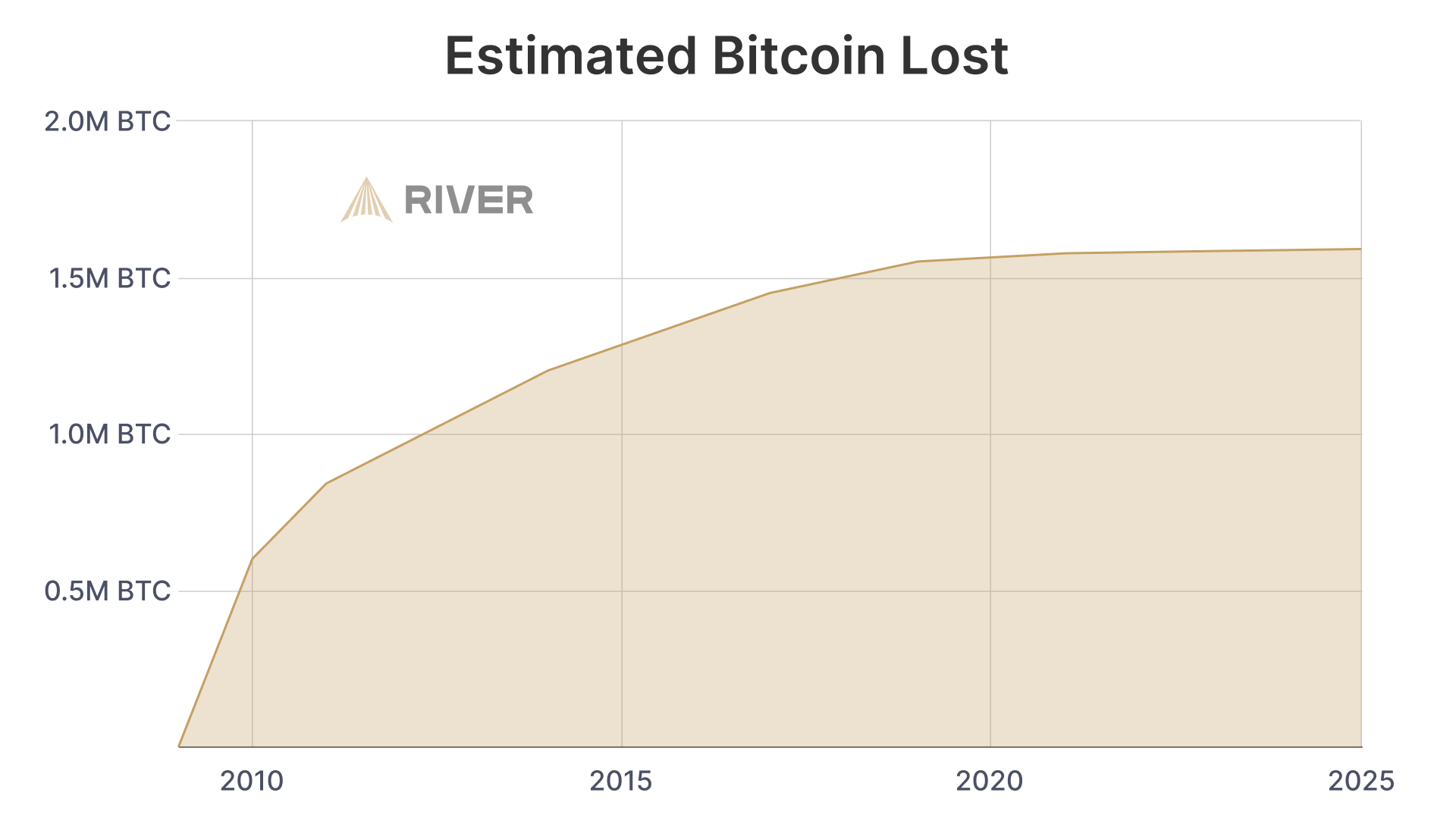
For users, this introduces a new dimension to self-custody. Self-managing private keys has been both a core advantage and a great risk in Bitcoin ownership. While it enhances privacy, it also increases the possibility of irreversible loss, which has deterred some investors and driven others towards more centralized systems.
AI-assisted recovery tools may begin to shift that balance by reducing the technical and psychological barriers associated with self-custody. This could lead to the introduction of AI-driven assistants within wallets, security platforms and forensic tools, offering guidance in scenarios that previously required specialized expertise.
Beyond Recovery: Can AI help me trade?
The application of AI in crypto is not limited to wallet recovery. Across the ecosystem, machine learning models are increasingly being deployed in trading, risk management and onchain analysis.
Automated trading platforms leverage AI to interpret market sentiment, execute strategies and adapt to changing conditions in real time. These systems reduce emotional bias and improve efficiency, particularly during volatile markets.
At the same time, AI is being applied to smart contract auditing and fraud detection, helping identify vulnerabilities and trace illicit activity across blockchain networks. These capabilities are becoming increasingly important as decentralized finance continues to scale.
Among the recent developments is the emergence of "agentic" systems. Firms such as Coinbase and Circle are already exploring frameworks that allow AI agents to hold wallets, execute transactions and interact with decentralized services.
Coinbase CEO Brian Armstrong has constantly supported the case for AI agents, including the recent announcement of the company's plan to lay off 14% of its staff. The decision follows the firm's pivot toward the "agentic economy."
In this model, cryptocurrencies, particularly stablecoins, serve as the native medium of exchange for machine-to-machine transactions. AI agents could pay for data, compute resources, or services in real time, creating a new layer of economic activity built on blockchain rails.
All that glitters is not gold
Despite these opportunities, the relationship between AI and Bitcoin is not without tension, especially within the mining sector.
Following Bitcoin's 2024 halving, reduced block rewards and high cost of mining have pushed several companies to diversify into high-performance computing (HPC) and AI infrastructure. Firms such as Core Scientific, Bitfarms, and TeraWulf have increasingly allocated resources toward data centers designed for AI workloads. As a result, several miners have reduced their exposure to Bitcoin mining, redirecting capital and infrastructure toward AI.
A joint path forward
The recent recovery case serves as a microcosm of this relationship. It demonstrates how AI can augment human capabilities in navigating the complexities of Bitcoin without undermining its core principles.
As both AI and blockchain systems mature, similar applications are likely to emerge across custody, compliance and financial infrastructure.
A key metric many use for judging the next phase of collaboration is the performance of the AI crypto sector. Over the past year, AI agent tokens have dropped from a market cap of $8 billion to around $3 billion at the time of writing, with other AI-focused cryptos witnessing similar declines.
The coalition between Bitcoin and AI could strengthen the case for this token category, as the top crypto remains largely responsible for the broader crypto market's performance. However, it may be difficult to estimate how this could shape the market cycle going forward.
The integration of AI into crypto workflows may ultimately redefine how users interact with digital assets, moving the industry closer to mainstream adoption.
Author

Michael Ebiekutan
FXStreet
With a deep passion for web3 technology, he's collaborated with industry-leading brands like Mara, ITAK, and FXStreet in delivering groundbreaking reports on web3's transformative potential across diverse sectors. In addition to