Bitcoin surges above $85,000 as ETF demand defies Fed rate hike and regulatory setback

Bitcoin has made a powerful comeback, climbing above $85,000, its highest level since late January and a gain of more than 30% from its August 19 low. The move was especially notable because Bitcoin has managed to break higher despite two developments that, under normal circumstances, could have weighed heavily on the cryptocurrency: the failure of the U.S. CLARITY Act to advance through the Senate and the Federal Reserve’s first interest-rate hike since 2023.
This move shows that the market’s underlying demand for Bitcoin may currently be stronger than the macroeconomic and regulatory headwinds facing it.
Why is Bitcoin rising?
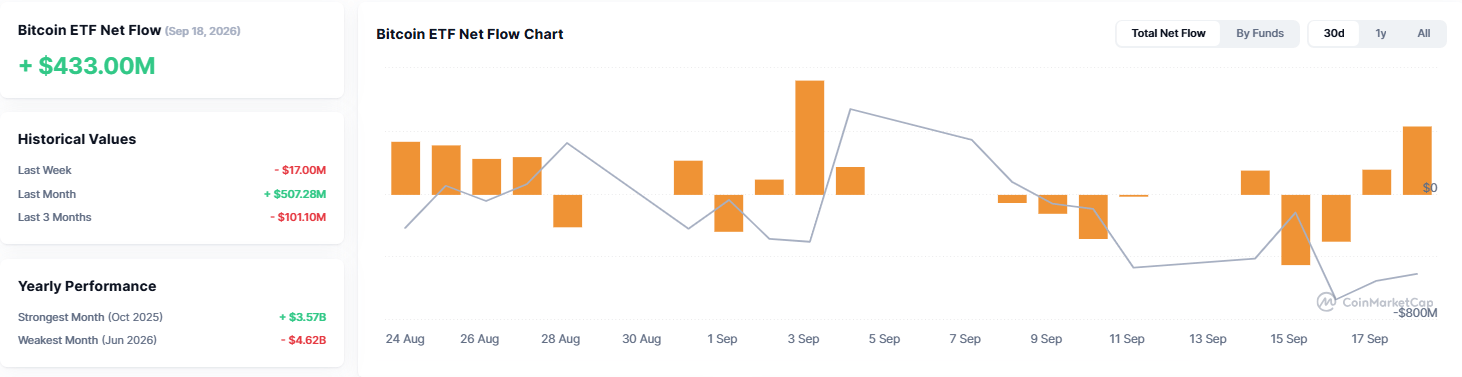
After two days of ETF outflows following the CLARITY Act vote and the Fed decision, ETF demand quickly returned. U.S. spot Bitcoin ETFs recorded approximately $159.5 million of net inflows on September 17, followed by around $433 million on September 18. The strong Friday inflow was enough to leave the week marginally positive, with approximately $6.2 million in net inflows for the week. The ETF market is increasingly becoming an important source of structural demand for Bitcoin.
Bitcoin Remains resilient despite the Fed hike
The Federal Reserve raised interest rates by 25 basis points to 3.75%-4.00% last week, marking its first rate increase since 2023. Higher interest rates generally create a less favorable environment for risk assets because they increase the attractiveness of cash and fixed-income assets while raising the cost of capital. Bitcoin, which does not generate interest income, faces additional pressure when real yields and Treasury yields rise. Yet Bitcoin has not only absorbed the rate hike, but it has rallied sharply afterward.
The ETF flows provide an important insight. Institutional investors appear to be continuing to allocate capital toward Bitcoin even as monetary conditions remain restrictive. The market also appears to have already priced in at least part of the Fed’s move, reducing the potential shock from the announcement.
What happens next?
From a technical perspective, $83,000-$86,000 is now a particularly important zone.
Bitcoin has entered an area where a significant amount of long-term-holder supply is concentrated. More than one million BTC are held by long-term holders in the $83,000-$86,000 region, potentially creating selling pressure as investors who bought around these levels look to exit.
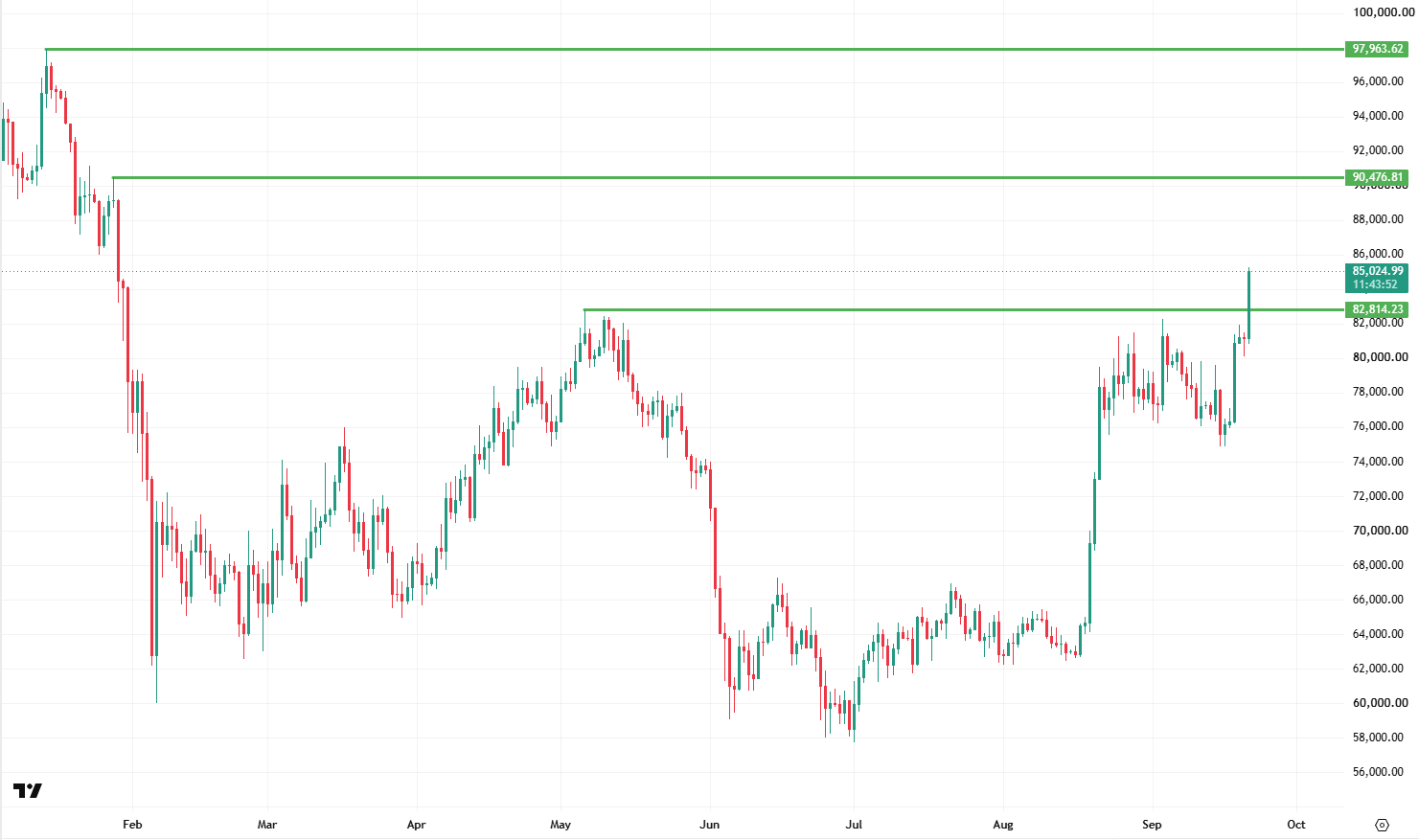
A decisive move above $86,000, particularly if accompanied by continued ETF inflows, could strengthen the technical structure and open the door toward the psychological $90,000 level. Beyond that, the next major psychological target would be $100,000. Reaching that level would require Bitcoin to sustain its current momentum and overcome the $83,000-$86,000 supply zone. Conversely, rejection from this zone would make $80,000 the first major level to watch on the downside.
The next phase of the Bitcoin rally will therefore likely depend on whether institutional ETF demand continues to outweigh the headwinds created by higher interest rates and regulatory uncertainty.
Author

Ghassan Albohtori
STARTRADER
Financial Market Analyst accredited by the Capital Market Authority in the UAE, with experience in macroeconomics and investing.