The intervention to halt the slide of the Yen

The Trump administration may press the Federal Reserve to help Japan defend the yen without disrupting the U.S. Treasury market. Treasury Secretary Scott Bessent wants Japan to use an expanded Fed facility that lets foreign central banks borrow against Treasurys instead of selling them. The move could reshape Treasury-Fed cooperation under new Fed Chair Kevin Warsh and give the Fed a larger role in U.S. financial diplomacy, though Fed support for such changes is uncertain.
The Treasury did not comment on its plans. Bessent said Sunday that the U.S. had intervened to support the yen, an unusual step even though Japan often acts to stabilize its currency. The last comparable U.S. participation came in 2011 after Japan’s earthquake and tsunami. The yen has weakened sharply since 2022 as U.S. rates climbed while Japan’s stayed low. Debt, demographics, weak growth prospects, and costly energy imports have also weighed on it. A weaker yen raises import costs and inflation concerns; last week it neared 164 per dollar, its lowest level against the dollar since 1986. The U.S. and Japan then acted together to steady the currency. Treasury reportedly sold euros from its Exchange Stabilization Fund to buy yen, helping the yen rebound to just under 157 by Monday. The action may also have aimed to protect demand for Treasurys by supporting the yen-funded carry trade.
That trade is under strain as Trump’s tariffs and other policies push investors to hedge dollar exposure. If yen weakness forces investors or official holders to sell Treasurys, prices could fall and yields rise. The 10-year yield topped 4.7% before easing, a level Bessent has said he watches closely because higher yields raise borrowing costs.
Bessent’s decision to sell euros rather than dollars suggested Treasury-market concerns. He also urged Japan to rely more on the Fed’s FIMA repo facility, which lets foreign central banks temporarily exchange Treasurys for cash instead of selling them and pushing yields higher. The Fed often helps during global market stress, but it is unclear whether Japan’s prolonged currency weakness meets that threshold. Japan also has access to a Fed dollar swap line, though it did not use it in this episode.
Fed swap lines are typically used for dollar liquidity, not currency intervention. FIMA has a $60 billion daily limit per counterparty, while Japan holds about $1.1 trillion in Treasurys and recent yen support is estimated at $60 billion to $80 billion. Broader use of FIMA could make Treasurys more attractive and ease U.S. fiscal pressure, but expanding it would require FOMC approval and may stretch the Fed’s mandate. Warsh has signaled openness to closer Treasury coordination, including on international finance, and that approach could affect questions such as whether countries like the UAE receive swap lines. Warsh has also said he speaks frequently with Bessent beyond their regular weekly breakfasts.
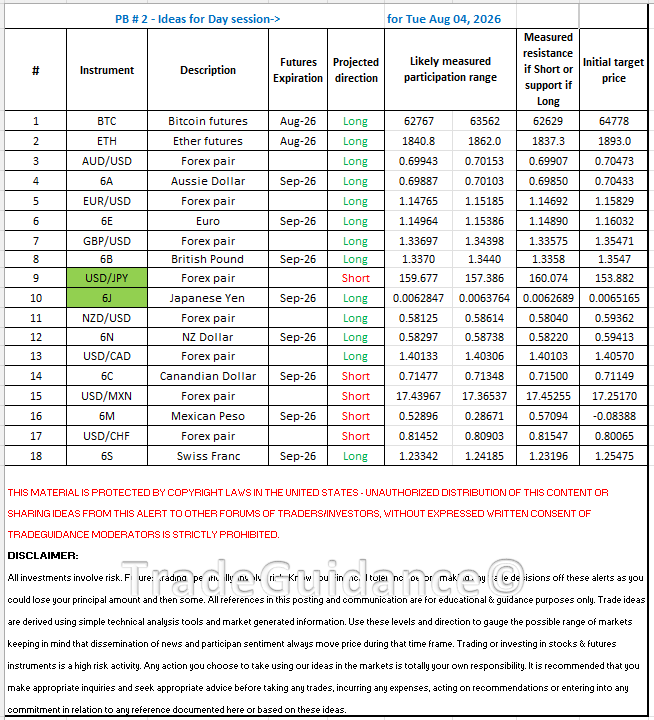
Here is today's analysis for various USD linked pairs that we actively trade
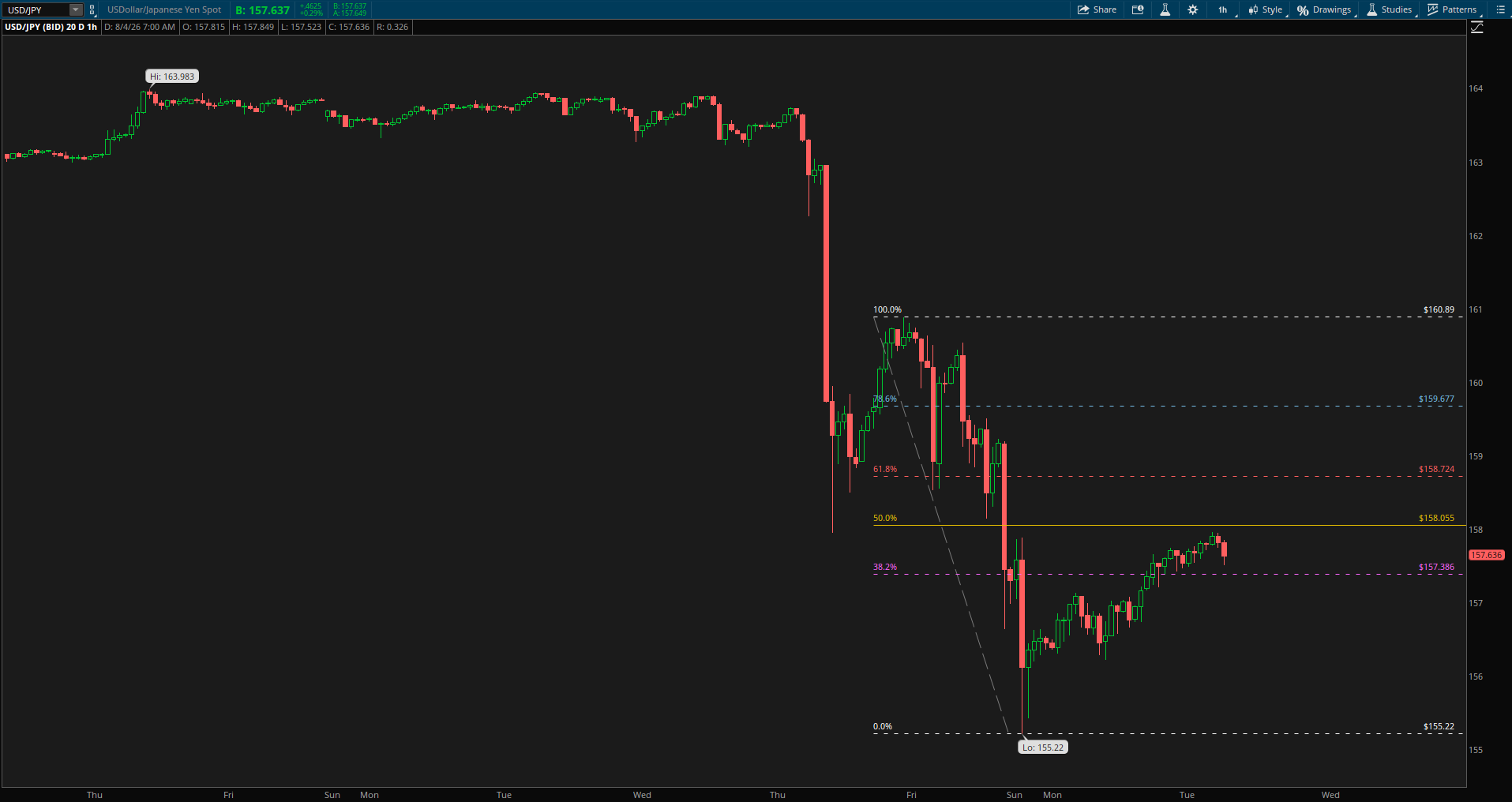
Here is the chart of the USD/JPY
Author

Murali Sarma
Trade Guidance, LLC
Murali Sarma is a private investor and trader, dealing in currencies, commodities (grains, energies, metals, bonds, indices) and stocks.