Oil benchmarks north of US$100 as traders eye US CPI


Market scoreboard:
- ·Oil prices soared on Thursday, with both WTI and Brent benchmarks now flirting with levels north of US$100/barrel. This followed elevated tensions in the Middle East, as Iran stated it had no intention of backing down from the US, which threatened further disruption to oil and gas supplies. Gold was down on the day, however, weighed by the recent PPI inflation print (which I touch on below) and hawkish Fed repricing.
- Global bond yields rose sharply as traders priced in further Fed tightening amid rising inflation expectations, and the move also reflected some of the market’s disappointment with the size of the Treasury’s next bond buyback (US$6 billion). This left the US 10-year Treasury yield within striking distance of the widely watched 5% barrier – a level likely to attract dip-buying.
- Equities were red across key US benchmarks, with the S&P 500, Dow Jones Industrial Average, and Nasdaq Composite all recording their fourth consecutive losing session and trading below their 50-day SMAs. The read-through into Asia offered a similar picture, with Japan’s Nikkei and South Korea’s KOSPI all underwater.
- In FX, the USD index caught a bid and erased most of the week’s losses, a move driven by rising oil and yields, as well as the recent inflation report. The EUR took a modest hit, which I explore further below.
ECB hikes all three benchmark rates
As widely priced in, the ECB pulled the trigger yesterday, increasing all three key benchmark interest rates and lifting the deposit rate to 2.5% – the upper boundary of the central bank’s estimated nominal neutral range! It is remarkable to think that we were talking about cuts heading into 2026. However, the OIS curve is now pricing another ECB hike this year, and potentially two more in 2027. Fresh economic projections offered a slightly hawkish tilt, emphasising upside risks to inflation and growth. The ECB clearly does not see inflation abating, and expects it to remain well above forecast for the foreseeable future.
The accompanying rate statement also said the Middle East conflict was underpinning inflationary pressures and that the outlook remains ‘highly uncertain’, leaving the door ajar for further policy tightening without openly committing to anything. The EUR fell immediately on the decision; I believe this stems from the ECB's lack of commitment to a policy path and perhaps markets pricing in that the central bank is overly optimistic on growth, along with, of course, traders positioning ahead of today’s US CPI report.
US PPI headline hotter than expected
US August PPI inflation came in slightly hotter than expected at the YY headline level, reaching 5.4%, beating the 5.3% consensus and the upwardly revised 4.8% reading in July. MM headline reached 0.4% as expected (up from 0.0%). For ex food and energy – core measures – YY headline rose in line with expectations to 4.6% from an upwardly revised 4.3%, while MM remained unchanged at 0.2%.
My read here is that the headline came in hotter than expected on a YY basis, but was largely energy-driven. Although this gives Fed hawks something to point to, core came in as expected on a YY basis and eased MM, which suggests the Fed is likely to raise rates soon, even if it does not do so next week. This depends on how today's August CPI plays out.
It is all about US CPI
Today’s US CPI report will hit the wires at 12:30 pm GMT. Expectations heading into the release indicate that YY headline inflation will remain unchanged at 3.4% (max/min est. range between 3.8% and 3.3%), while MM is forecast to tick higher to 0.4% from 0.1% in July. On the core side – arguably the more important data – economists expect YY data to cool to 2.4% from 2.5% (max/min est. range between 2.7% and 2.3%), with MM anticipated to remain at 0.2%.
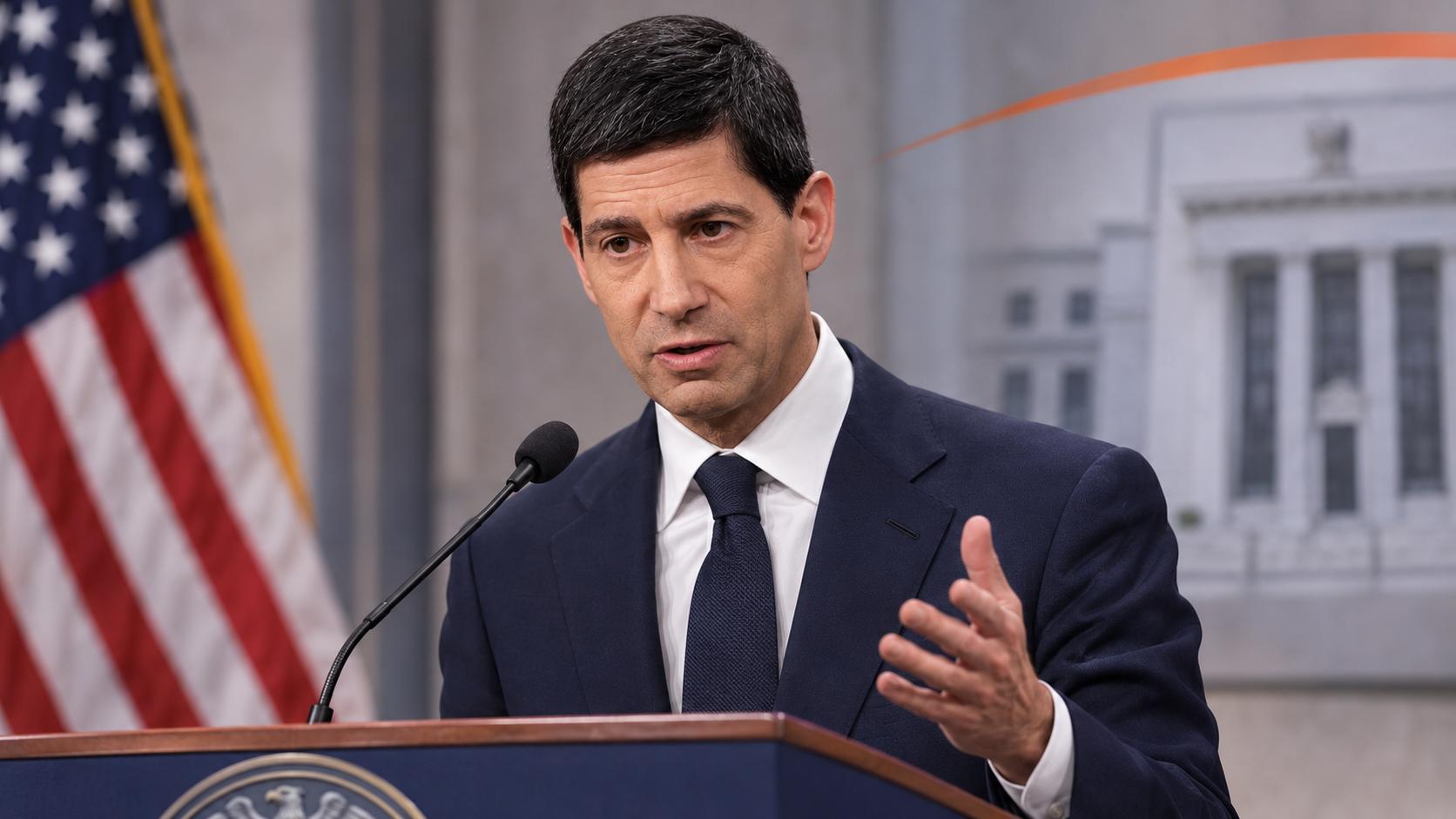
This release carries extra weight because of the hot US August jobs report, yesterday’s PPI data, and rising energy prices. It is also worth recalling that Fed Chairman Kevin Warsh’s recent comments at Jackson Hole about ‘more work to do’ on inflation, and Governor Christopher Waller specifically mentioning today’s CPI print. In my view, this is a genuine coin-flip event, meaning it could be traded either on a broad beat or miss.
Author
Aaron Hill
FP Markets
After completing his Bachelor’s degree in English and Creative Writing in the UK, and subsequently spending a handful of years teaching English as a foreign language teacher around Asia, Aaron was introduced to financial trading,