Oil: A surplus on the horizon
- The de-escalation of the conflict in the Middle East has sent Brent prices tumbling.
- The oil market could return to a surplus as early as the end of 2026.

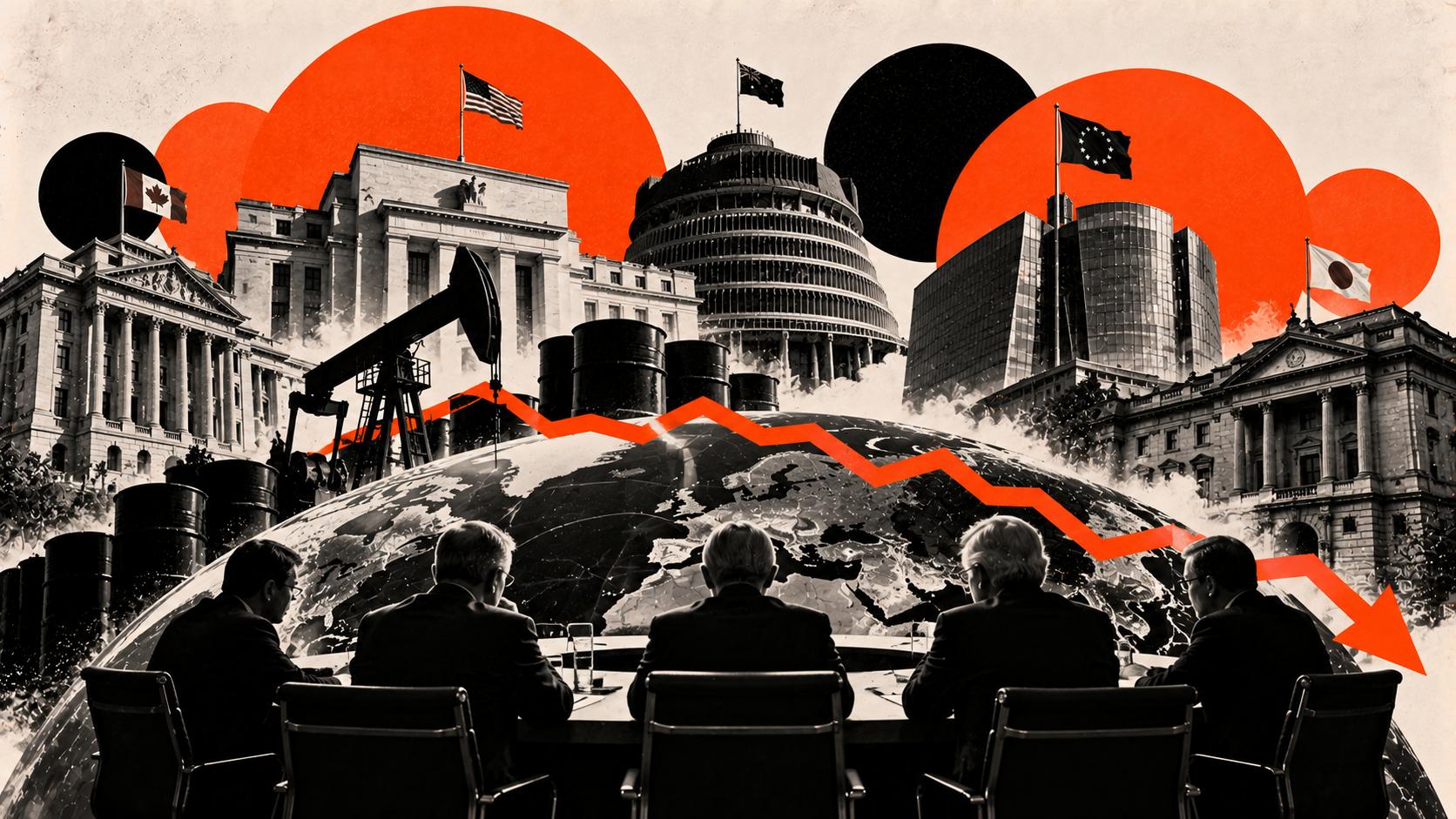
The US Dollar and oil have lost their correlation. Brent recorded its worst daily fall in three months after reports of a ceasefire in the Middle East, and it continued to slide amid US optimism on progress in negotiations with Iran. Previously, falling Brent prices tended to weaken the greenback by reducing expectations of higher inflation and further Fed rate hikes. This time, investors fear the Federal Reserve could make a surprise move.
CME derivatives put the odds of a monetary policy tightening in July at 38%, the highest uncertainty since September 2024. If the central bank surprises the markets, this could provide fresh tailwinds for the US dollar.
Brent prices are under pressure as the conflict in the Middle East de-escalates. According to Macquarie Bank, the conflict will end within weeks rather than months, owing to the approaching US mid-term elections. As a result, the company believes the oil market could see a surplus of 2 million barrels per day as early as the fourth quarter. In the first quarter of 2027, the surplus is set to double.
Although traffic through the Strait of Hormuz remains subdued, oil continues to flow through the Red Sea. According to Kpler’s estimates, around 25 tankers have passed through the Bab el-Mandeb Strait. As long as the Houthis’ threats remain unfulfilled, the market breathes a sigh of relief. Meanwhile, the Caspian Pipeline Consortium's resumption of operations in the Black Sea further eases fears of supply disruptions and contributes to the fall in Brent prices.
Nevertheless, the bulls are not giving up. Barclays claims that oil flows through the Strait of Hormuz have fallen from 5.9 million bpd to 2.9 million bpd, whilst Société Générale believes that around 4% of global supplies are at risk. Furthermore, each month of conflict in the Middle East will add $10 per barrel to Brent's price.
Prices will find it harder to return to pre-war levels, as evidenced not only by the fragile ceasefire but also by expectations that Chinese imports will rise from a 10-year low of 6.2 million bpd in June to 7.8 million bpd in July. Rising global oil demand will keep Brent prices high even as the conflict in the Middle East continues to de-escalate.
Summary: The dollar may gain amid surprise risks from the Fed, while Brent falls on de-escalation, though Chinese demand limits the downside.
Author

Alexander Kuptsikevich, a senior market analyst at FxPro, has been with the company since its foundation. From time to time, he gives commentaries on radio and television. He publishes in major economic and socio-political media.