A week to remember


I think we've all earned a weekend break in the sun after a quite extraordinary week in the markets that saw plenty of central bank action, even from those not scheduled to meet.
Stock markets are ending the week on a positive note, not that anyone is getting carried away with today's price action after turbulent trading conditions in recent days. Triple witching may also be a factor in today's moves which is another reason not to get excited.
Recessions are increasingly likely as central banks race to dramatically raise rates before inflation spirals out of control. It is better than the alternative though; stagflation. A term that's been thrown around way too much in recent months which perhaps highlights the trepidation around it. We are not in a stagflationary environment, nor will we be later this year. But the risk of one is rising which is why central banks are becoming increasingly accepting of their actions tipping the economy into recession.
There are a few exceptions, obviously. The Bank of Japan doesn't have an inflation problem; in fact, it's just about hitting its target thanks to high energy costs and that won't last. Its issue is a result of everyone else's inflation problem, with the BoJ being forced to buy huge amounts of bonds on a daily basis as part of its yield curve control (YCC) tool. Although on Friday it received no bids which may bring some short-term reprieve.
The central bank remains committed to its YCC despite the pressure its ceiling has come under in recent weeks and the impact it's had on the currency. Barring a sudden SNB-style u-turn, it would appear the BoJ is not even entertaining the idea of throwing in the towel. Pressure will continue to mount in the weeks and months ahead but FX market intervention is likely to come before the BoJ abandons its YCC policy.
Oil steady as European gas prices surge
Oil prices are relatively steady at the end of the week, just shy of $120. Despite the correction over the last week or so, the market remains extremely tight and the price risks still remain tilted to the upside. With OPEC+ now reportedly missing output targets by 2.7 million barrels per day and setting unachievable targets for the summer, that gap will widen. The pressure in the market isn't going to ease any time soon.
Gas prices in Europe on the other hand have been surging as Russia once again appears to weaponise supplies to Germany and Italy, which remain heavily reliant on it. Both are complying with the rouble payment demands and yet seen their flows hit heavily, with Gazprom blaming repairs as being behind the drop-off. It comes as both countries attempt to fill up reserves ahead of the winter which some suggest is no coincidence.
Gold struggles after a brief recovery
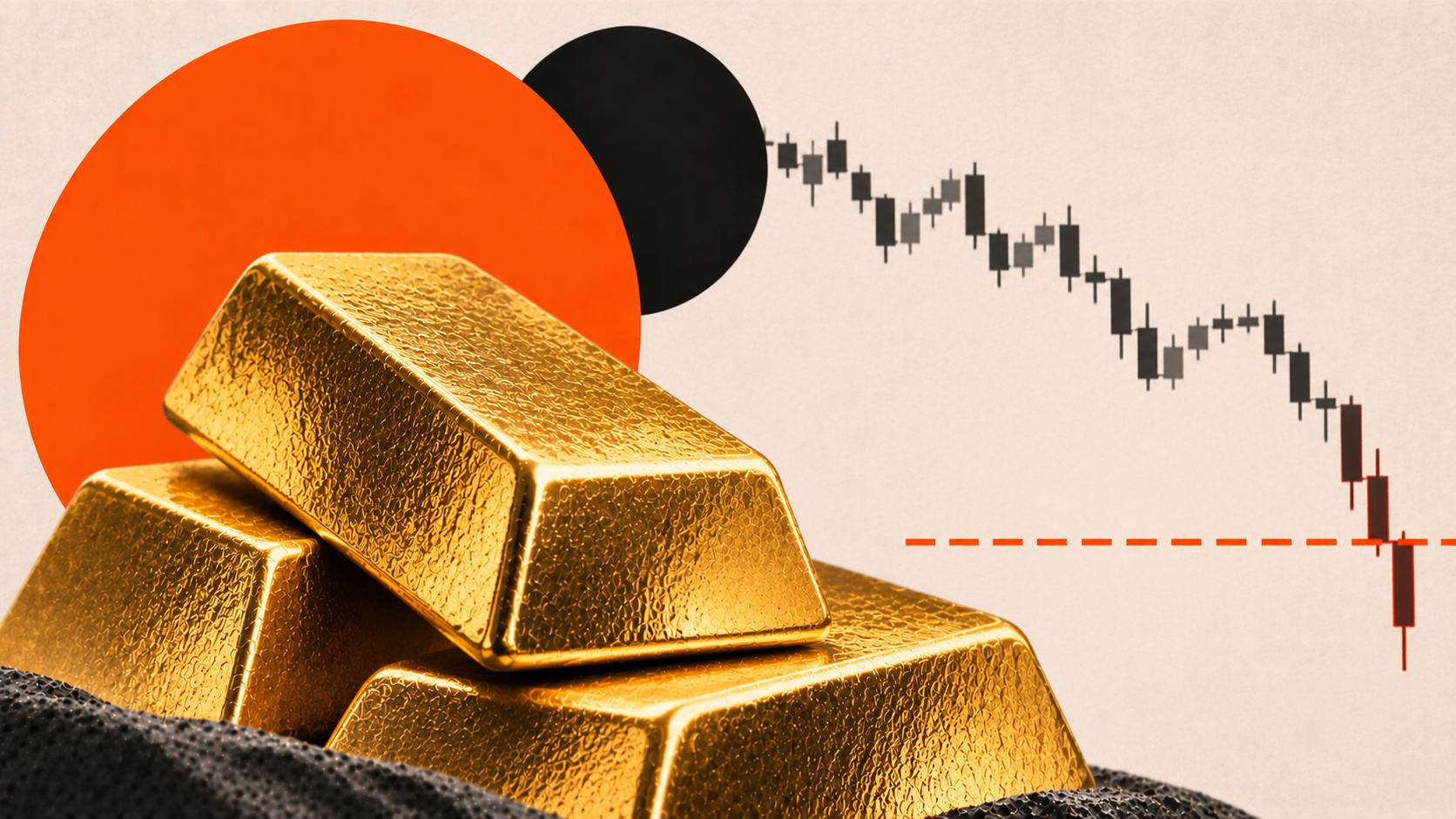
Gold has had a good run over the last couple of days as central banks have played catchup with the Fed, lifting their currencies and weakening the dollar in the process. US yields easing off their highs have also contributed to the greenback paring gains. The dollar remains king though and we're very much seeing that today with it trading almost 1% higher which has forced gold back below $1,850. No doubt volatility is going nowhere with central banks now in panic mode and every piece of data being poured over for further signs of stubborn inflation and economic vulnerability.
From bad to worse for Bitcoin
Bitcoin is showing some resilience around $20,000 which is being touted as a massive level. A break of it could be disastrous for bitcoin and the broader cryptocurrency space which would likely track it lower. How much longer can it hold? The constant flow of negative headlines - Celsius, Binance - in the current environment has been devastating for cryptos and now reports of Three Arrows Capital failing to make margin calls could lead to others surfacing in the coming weeks, spreading further negativity. It could get much worse before it gets better.
Author
Craig Erlam
MarketPulse
Based in London, Craig Erlam joined OANDA in 2015 as a market analyst. With many years of experience as a financial market analyst and trader, he focuses on both fundamental and technical analysis while producing macroeconomic commentary.