Michael Peterson of ARKBRIDGE on AI, the IPO wave and a risk-first approach to modern trading
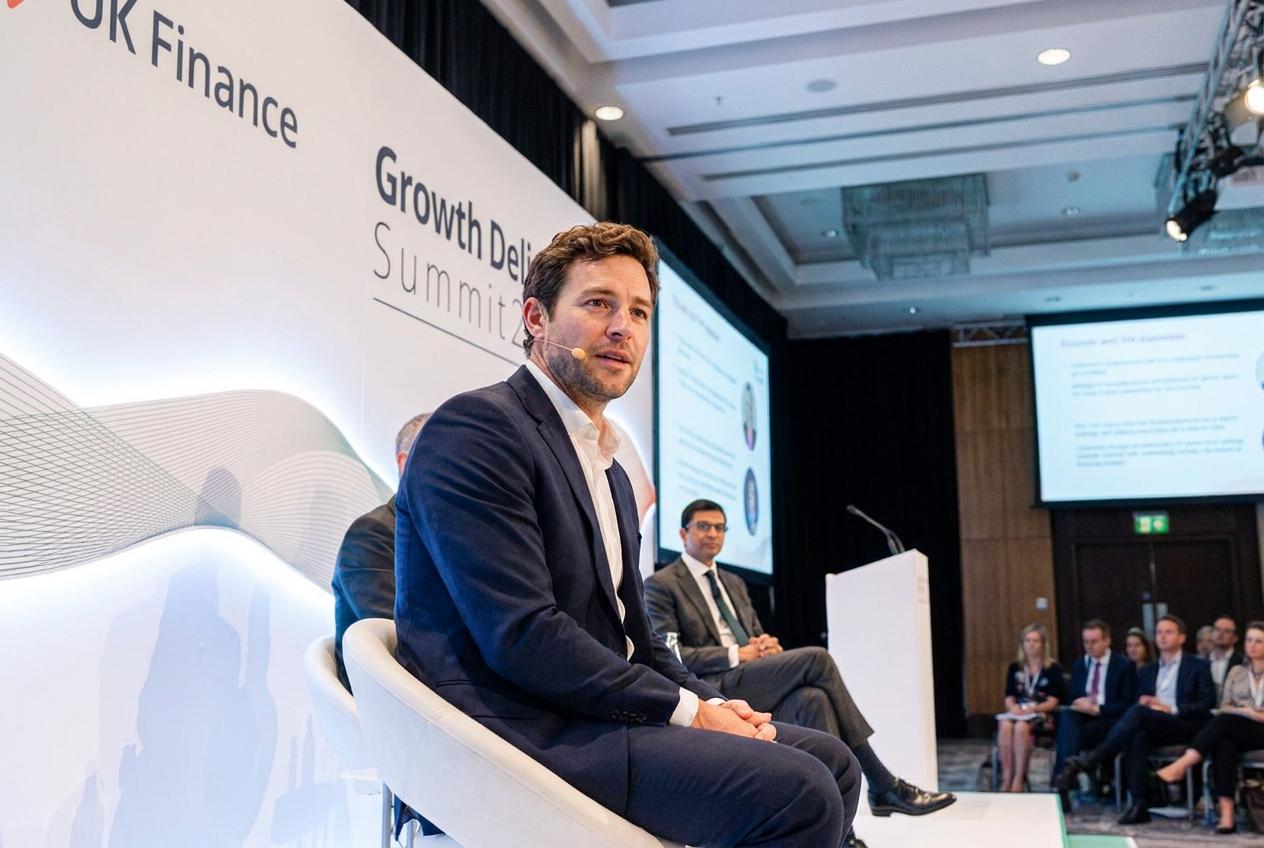

ARKBRIDGE Investment Specialist and risk-management lecturer Michael Peterson examines the next generation of AI opportunities, the changing IPO market and why disciplined portfolio construction matters even more when expectations are high.
Artificial intelligence is creating one of the most closely watched investment themes of the current market cycle. For Michael Peterson of ARKBRIDGE, however, the most interesting part of the AI story is not simply how much capital the sector may attract.
It is what happens when extraordinary technological potential meets extraordinary investor expectations.
Peterson is an Investment Specialist working with ARKBRIDGE’s VIP Department, where his professional focus includes market analysis, portfolio-risk education and the disciplined evaluation of opportunities for clients with larger account balances.
He is also a lecturer on risk management, a subject that sits at the centre of his approach to markets.
His philosophy starts with a principle that sounds simple but becomes increasingly important as capital grows:
Before you think about the return, understand the risk.
For Peterson, this is especially relevant today.
AI is reshaping industries ranging from semiconductors and cloud infrastructure to software, cybersecurity, data centres and enterprise technology. At the same time, a new generation of AI companies is approaching the public markets, potentially giving investors more direct ways to participate in the sector.
But Peterson believes excitement around a transformational technology should never be confused with a complete investment thesis.
Michael Peterson’s View of the AI Investment Opportunity
Peterson sees artificial intelligence as much broader than a single group of technology stocks.
The AI investment ecosystem now stretches across semiconductor design, manufacturing, cloud computing, data centres, energy infrastructure, networking, software and businesses attempting to integrate AI into existing products and services.
That breadth creates opportunity, but also complexity.
Two investments with different company names may ultimately depend on the same underlying assumption: that AI adoption, capital expenditure and demand for computing infrastructure will continue growing at a sufficiently high rate.
Peterson therefore encourages investors to distinguish between believing in AI as a long-term technological transformation and deciding what price, position size and risk are appropriate for a particular AI-related investment.
Those are not the same decision.
“You can be completely right about the technology and still be wrong about the investment,” Peterson says. “Price matters. Expectations matter. Position size matters. The quality of the company matters. And most importantly, you need to understand what happens if the market has already priced in too much of tomorrow.”
That distinction has become particularly relevant as market concentration around AI-linked companies has increased and institutional investors have begun paying closer attention to the portfolio risks created by that concentration. Financial Times
The AI IPO Wave: Opportunity Meets Expectations
The next phase of the AI investment story could increasingly move from private markets into public ones.
Anthropic has become one of the most closely watched examples. Recent IPO documentation has given investors a much deeper view into the company’s rapid revenue expansion, large operating costs, dependence on computing infrastructure and relationships with major technology companies such as Amazon and Google. Reuters
For Peterson, this is exactly why major AI IPOs should be analysed as businesses rather than cultural events.
The questions he considers most important are not simply:
How exciting is the technology?
or:
How much attention will the IPO receive?
Instead, he asks:
What is the business worth relative to the expectations already embedded in the valuation?
How sustainable is revenue growth?
How capital-intensive is the business?
What dependencies exist on suppliers, cloud providers or major customers?
How much of the future growth story is already reflected in the price?
And finally:
What amount of portfolio exposure is appropriate if the investment thesis proves wrong?
This approach is particularly relevant to IPO investing. U.S. investor guidance notes that IPOs can be risky and speculative, with early trading affected by limited public float, lock-up arrangements, demand and other market mechanics. Investor.gov
For Peterson, that does not make IPOs inherently unattractive.
It means they deserve more analysis—not less.
Michael Peterson: Separate the Company From the Story
One of Peterson’s recurring themes when discussing AI investing is the importance of separating three different questions:
Is the technology important?
Is the company strong?
Is the investment attractive at the current valuation?
An investor can answer “yes” to the first two questions and still reasonably answer “not yet” to the third.
That distinction becomes particularly important in markets dominated by narratives.
AI is a powerful narrative because the underlying technological change is real. Companies are investing enormous amounts in computing infrastructure and deploying AI across a growing number of industries.
But genuine technological transformation does not eliminate market cycles.
Nor does it eliminate valuation risk.
“The market can become too optimistic about a genuinely great company,” Peterson says. “Risk management means being able to hold both ideas at the same time: this may be an extraordinary business, and the price may still require discipline.”
A Core-and-Opportunity Approach to Larger Portfolios
Peterson does not believe investors should treat every market opportunity in the same way.
His preferred philosophy separates longer-term portfolio exposure from more tactical opportunities.
A substantial portion of capital can be approached through diversified, longer-term positioning designed to participate in broader economic and market growth.
Around that foundation, investors may choose to consider more active opportunities arising from market dislocations, structural themes, IPOs or shorter-term price movements.
The distinction is important.
A high-conviction AI idea should not automatically become the foundation of an entire portfolio simply because the potential upside appears significant.
This creates what Peterson views as a more disciplined relationship between passive compounding and active opportunity.
The long-term portion of a portfolio can provide structure.
The active portion provides flexibility.
Risk controls determine how much either is allowed to influence the total account.
For Larger Accounts, Capital Preservation Changes the Conversation
The psychology of investing changes as account size grows.
In the world of six- and seven-figure portfolios, percentage movements translate into meaningful absolute amounts of capital.
A 10% market move is no longer an abstract number.
For Peterson, that changes the conversation from:
“How much could I make?"
to:
“How much exposure do I actually need to participate in this opportunity?”
Those are very different questions.
An investor does not necessarily need maximum exposure to benefit from being correct.
And avoiding unnecessary concentration can preserve the ability to participate in future opportunities.
This is one reason established private-wealth practices place substantial emphasis on portfolio construction, risk analysis and managing concentrated positions when working with larger portfolios.
Peterson applies the same risk-first logic to market education within ARKBRIDGE’s execution-only framework.
Michael Peterson’s Five Questions Before Taking an AI or IPO Position
Peterson’s process can be summarized through five questions.
1. What Is the Actual Investment Thesis?
The technology story should be translated into a financial argument.
What drives revenue?
What drives profitability?
What has to happen for the company to justify current expectations?
2. What Has Already Been Priced In?
A promising future does not automatically mean an attractive current valuation.
The more optimistic expectations become, the less room there may be for disappointment.
3. What Is the Downside if the Thesis Is Wrong?
Peterson believes downside should be considered before position size is determined.
This includes volatility, liquidity, leverage and the possibility that the market reassesses an entire investment theme simultaneously.
4. How Does the Position Affect the Rest of the Portfolio?
An AI investment should not be analysed in isolation.
An investor may already have substantial indirect AI exposure through major technology stocks, indices or other holdings.
Adding another AI position may therefore increase concentration more than expected.
5. What Would Make Me Reconsider the Position?
A disciplined investment thesis should have conditions under which it is reviewed.
A change in valuation, growth, competition, regulation, business economics or market structure may all affect the original reasoning.
Peterson believes knowing these conditions before entering a position reduces the likelihood that emotion becomes the decision-making process later.
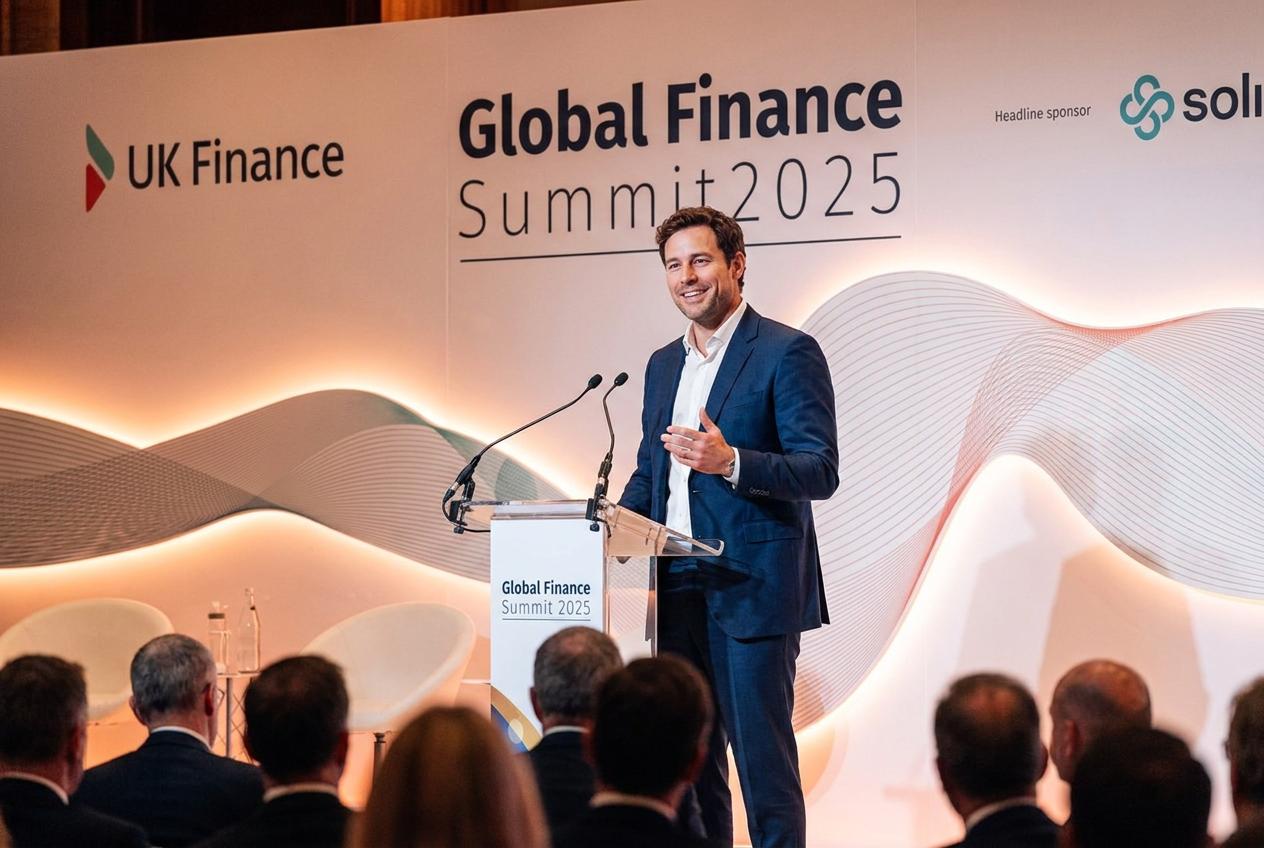
Why Risk Management May Be the Real Edge in the AI Era
Peterson believes artificial intelligence will increasingly improve the speed at which investors can access and process information.
But faster information does not automatically produce better decisions.
In some circumstances, it may do the opposite.
When everyone receives information faster, investors may have less time to distinguish analysis from reaction.
That increases the value of a repeatable framework.
For Peterson, good risk management is therefore not principally about predicting every market correction.
It is about controlling the variables an investor can control:
position size, leverage, diversification, concentration, liquidity, trading cost and the amount of capital placed behind any single thesis.
“Markets will always give investors another opportunity,” Peterson says. “The objective is to make sure one exciting opportunity never removes your ability to participate in the next one.”
AI Can Support Discipline — But It Cannot Replace It
Peterson also sees an important role for AI inside the investment process itself.
Technology can monitor large volumes of market information, identify unusual activity, compare multiple assets and help surface changes in volatility or price behaviour.
But Peterson does not believe investors should outsource accountability to an algorithm.
An AI-generated observation still needs context.
A signal still needs an investment thesis.
And a trade still needs a defined amount of acceptable risk.
This aligns with ARKBRIDGE’s broader approach to combining technology and AI-supported market tools with human-led market education and platform support.
ARKBRIDGE provides execution-only services. Individual investment decisions remain with the client.
Michael Peterson on the New Era of Trading
Peterson is optimistic about the scale of change artificial intelligence could bring to global markets.
But his optimism comes with an important qualification.
Periods of major technological change often create both exceptional businesses and excessive expectations.
Separating one from the other requires patience.
For investors considering the next generation of AI companies, Peterson therefore believes the strongest approach is neither blind enthusiasm nor automatic scepticism.
It is disciplined participation.
Understand the business.
Understand the valuation.
Understand the portfolio.
Understand the downside.
Then decide how much capital the opportunity genuinely deserves.
“Innovation creates opportunity,” Peterson says. “Discipline determines whether you are still in a position to benefit from it.”
For Michael Peterson of ARKBRIDGE, that balance between opportunity and risk is likely to become even more important as AI reshapes both the companies investors analyse and the tools they use to analyse them.
About Michael Peterson
Michael Peterson is an Investment Specialist working with ARKBRIDGE’s VIP Department and a lecturer on investment risk management. His professional focus includes AI-related market themes, IPO analysis, portfolio-risk education, market cycles and the balance between longer-term portfolio positioning and selective active opportunities.
Peterson’s investment philosophy begins with a simple principle: understand the risk before focusing on the potential return. His work emphasizes disciplined exposure, diversification, capital preservation and the use of technology as an analytical tool rather than a substitute for investor judgment.
About ARKBRIDGE
ARKBRIDGE is a multi-asset trading platform that has operated since 2020. The platform combines trading technology, AI-supported market tools, practical risk-management functionality and human-led market education and platform support.
ARKBRIDGE provides execution-only services and does not provide personalised investment advice or discretionary portfolio management.
Risk Warning: CFDs are complex leveraged instruments and carry a substantial risk of loss. AI-related investments, technology companies and newly listed securities may experience significant volatility. Market analysis, diversification and risk-management techniques cannot eliminate risk or guarantee positive investment performance.